

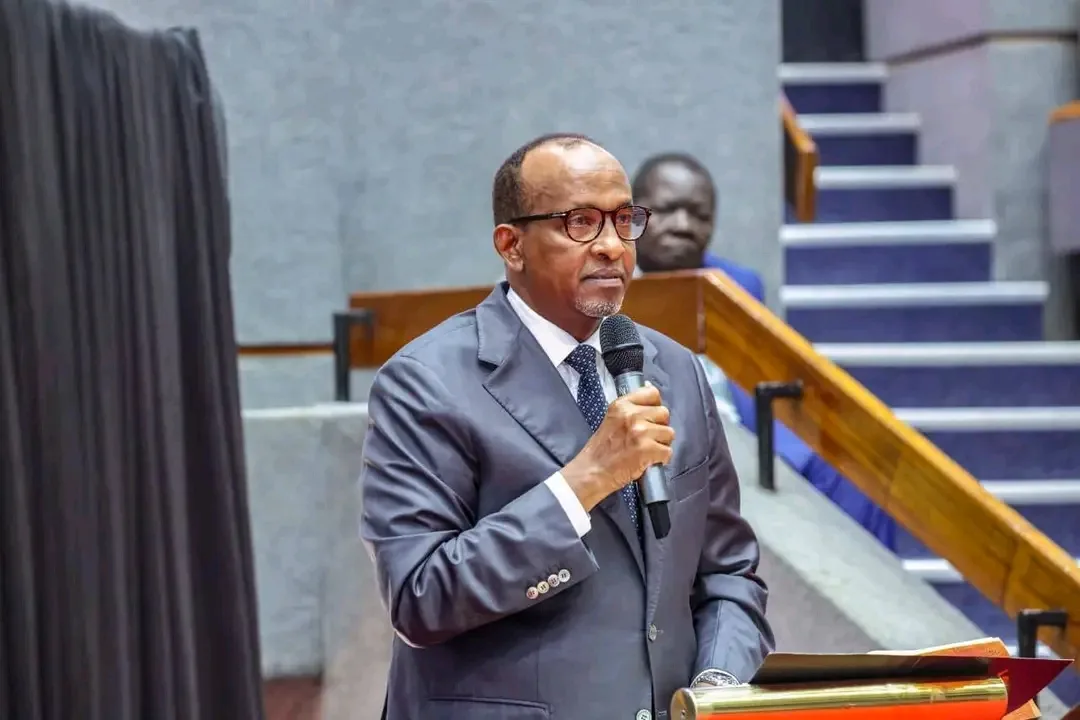
Duale said the government respects the independence of the Office of the Controller of Budget but disputed the suggestion that some public funds fall outside any framework of oversight and accountability.
“Our attention has been drawn to public remarks by the Controller of Budget suggesting that certain public funds fall outside any framework of oversight and accountability. This characterisation is inaccurate and requires clarification,” Duale said.
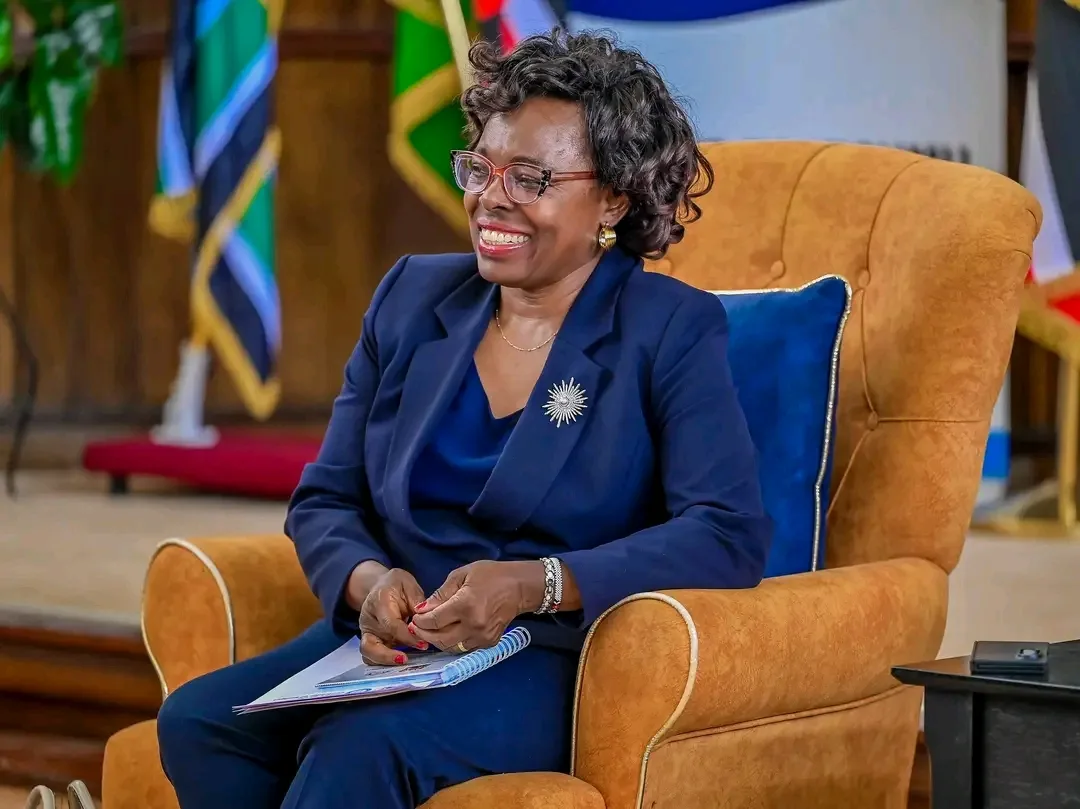
Nyakang’o had raised concerns over her office’s limited direct visibility over several government funds and levies that are not held under the Consolidated Fund.
Speaking on Citizen TV, Nyakang’o said her office does not have direct visibility over funds including the Social Health Insurance Fund, National Infrastructure Fund, Sovereign Wealth Fund and Primary Healthcare Fund because they operate outside the Consolidated Fund framework.
“Anything called a fund we won’t see it,” Nyakang’o said, explaining that her office can approve some transfers as lump sums but does not necessarily have the same visibility over subsequent expenditure.
The remarks have triggered a wider debate over the distinction between the Controller of Budget’s direct oversight powers and the broader accountability mechanisms applicable to public funds.
Duale cites Article 228 of the Constitution
Duale based his response on Article 228 of the Constitution and the Controller of Budget Act, 2016, saying the powers of the Controller of Budget are specifically defined by law.
“The mandate of the Office of the Controller of Budget is defined by Article 228 of the Constitution and the Controller of Budget Act, 2016,” Duale said.
He pointed to Article 228(4), which provides for the authorisation of withdrawals from the Equalisation Fund, Consolidated Fund and County Revenue Funds, as well as other public funds where an Act of Parliament expressly places them under the Controller’s approval.
“Under Article 228(4), the office authorises withdrawals from public funds under Articles 204, 206 and 207 — the Equalisation Fund, the Consolidated Fund and County Revenue Funds — and, under the Act, from any other public fund that an Act of Parliament expressly places under its approval,” he said.
Duale also cited Article 228(5), which requires the Controller to satisfy herself that a withdrawal from a public fund is authorised by law.
“In every case, Article 228(5) requires only that she confirm the withdrawal is authorised by law,” he said.
The Office of the Controller of Budget itself describes its core constitutional mandate as overseeing implementation of national and county government budgets by authorising withdrawals from public funds.
Are statutory public funds outside accountability?
Duale argued that the funds at the centre of the debate are not outside Kenya’s accountability system simply because they are created and administered under separate legislation.
“The funds referred to in the interview were established by their own legislation, each with defined mechanisms for management, withdrawal and audit,” he said.
“They remain fully subject to the oversight of the Auditor-General and Parliament.”
The CS rejected any interpretation that money administered through a statutory fund automatically escapes public scrutiny.
“To suggest that money lawfully appropriated and administered under an Act of Parliament is beyond scrutiny is to misstate both the law and the facts,” Duale said.
However, Nyakang’o’s reported concern is more specifically about the direct visibility and authority of her office over funds and levies outside the Consolidated Fund.
Capital FM reported that Nyakang’o said her office can authorise withdrawals from the Consolidated Fund, Equalisation Fund and County Revenue Fund after confirming that the withdrawals are lawful, but that a lack of legislative mandate limits her office’s ability to monitor some funds outside existing budget channels.
That distinction is central to the emerging debate: whether a fund can be subject to audit and parliamentary scrutiny while simultaneously falling outside the Controller of Budget’s direct monitoring or approval powers.
Duale defends Controller of Budget’s independence
Despite challenging Nyakang’o’s remarks, Duale said the government recognises the constitutional independence of the Office of the Controller of Budget.
“The Controller of Budget is an independent constitutional office, and Government respects that independence,” he said.
Duale, however, argued that the exercise of that independence must remain anchored in the constitutional and statutory powers granted to the office.
“Independence, however, is exercised through the constitutional and statutory instruments provided — reports to Parliament and lawful approval of withdrawals — not through public commentary that mischaracterises the legal framework,” he said.
The Office of the Controller of Budget is an independent constitutional office established under Article 228 and is responsible for overseeing implementation of national and county budgets.
Parliament could change the oversight framework
Duale said that if the Controller of Budget believes her office requires additional powers, the matter should be addressed through legislation.
“Where any office holder believes their mandate should be widened, the proper avenue is the legislative process,” he said.
The issue is already entering the legislative arena.
The Controller of Budget has opened public participation on proposed amendments to the Controller of Budget Act and draft regulations intended to address gaps identified in the implementation of the existing law. The proposals include provisions dealing with withdrawals, budget ceilings, monitoring, evaluation, reporting and investigations.
Separately, a proposed amendment would give the Controller real-time viewer rights over national and county exchequer accounts as well as accounts for other public funds. The proposal would also strengthen the office’s ability to monitor withdrawals and respond to breaches of approved spending limits.
Duale acknowledged the wider legislative debate, saying the government supports consideration of amendments dealing with funds and levies operating outside existing budget channels.
“Government notes that amendments to the Public Finance Management Act to expand oversight of funds and levies outside existing budget channels are already before Parliament, and it welcomes that debate on its merits,” he said.
What the public funds dispute means
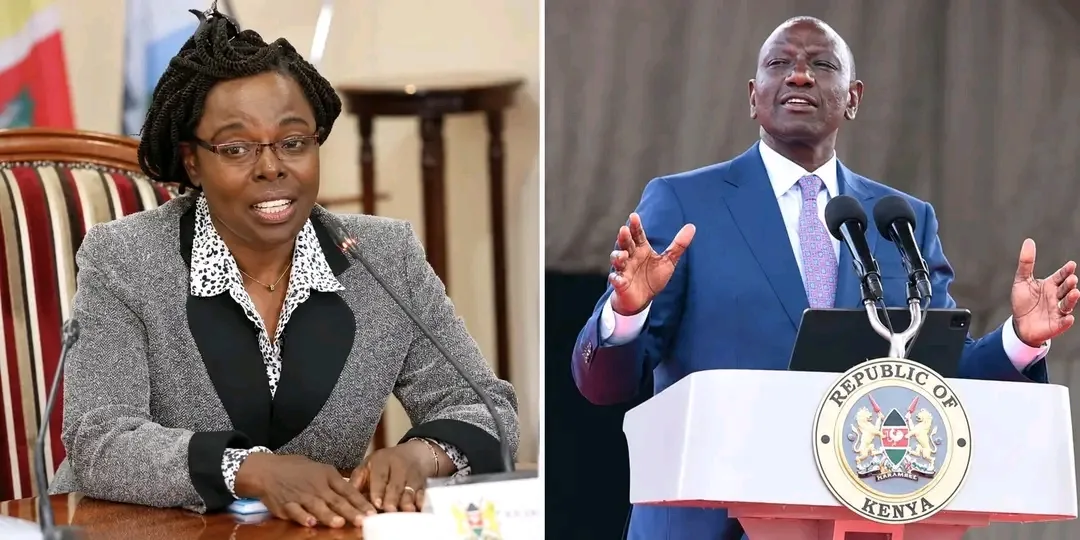
The disagreement between Duale and Nyakang’o highlights an important distinction in Kenya’s public finance system.
Duale’s position is that statutory funds remain accountable because they are established under legislation and are subject to mechanisms including auditing and parliamentary oversight.
Nyakang’o’s concern, as reported from her September 17 interview, is that her office does not have direct visibility over some funds and levies operating outside the Consolidated Fund, limiting the extent to which it can track expenditure after transfers are made.
The two positions therefore raise a broader legal and policy question: should the Controller of Budget have wider powers to monitor public funds established outside the existing budget channels?
That question is now also part of the legislative process, with proposed amendments seeking to expand the Controller’s access to financial information and strengthen budget implementation oversight.
For now, Duale maintains that legally established public funds cannot be described as being beyond accountability, while Nyakang’o’s remarks have brought renewed attention to the limits of the Controller of Budget’s direct oversight powers.
The debate is expected to continue in Parliament as lawmakers consider whether the existing legal framework provides sufficient visibility and control over all public funds collected and spent by government.
Do you want to be published? E-mail info@thedailywhistle.co.ke or WhatsApp 0721930270


Comments
No approved comments yet.