
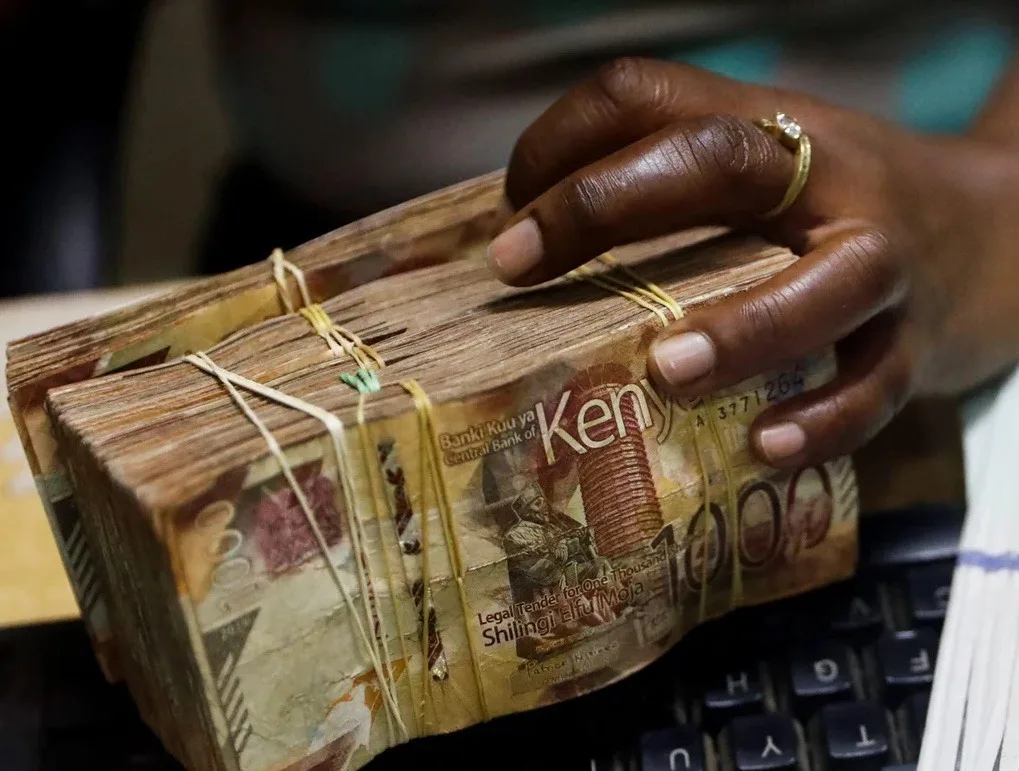
Kenya's education sector is facing a fresh scandal after Parliament discovered that public secondary schools have sent close to Sh6 billion to a private lobby that is never audited by the Auditor General.
The details emerged on Thursday when the National Assembly's Public Investments Committee on Education and Governance grilled heads of top national schools over audit queries, according to a report by Citizen Digital published on September 18, 2026.
The association at the center of the storm is Kenya Secondary School Heads Association (KSSHA), which is also known as KESSHA.
Committee Chairman Dick Maungu, who is the MP for Luanda, told the committee that the association has pocketed billions from schools yet it does not fall under government audit. Citizen Digital quoted Maungu saying, "Kessha receives close to six billion shillings... which is not under the purview of the auditor."
The committee is probing audit reports for Cluster One schools, previously classified as national schools. The schools that appeared before the team included Maseno School, Maranda High School, Bunyore Girls, Chavakali Boys, Ng'iya Girls and Kisumu Girls High School, as reported by People Daily on September 5, 2026.
According to The Star newspaper, the Auditor General had already flagged these schools for weak bookkeeping, unbalanced budgets, lack of strategic plans and incomplete asset registers for financial years 2020-21 to 2024-25. The Star in its September report said management in one school was found to have paid questionable allowances through boarding accounts without supporting documents or board approval.
Even worse, the audit found that 52 out of 65 employees in one top school, which is 80 per cent, were from the same ethnic community. This is contrary to Section 7(2) of the National Cohesion and Integration Act, 2008 which requires public institutions to reflect Kenya's diversity, Citizen Digital reported.
But the biggest query was about money sent to KSSHA.
The Star established that one school had paid about Sh6 million to KSSHA over five years while another had paid approximately Sh5 million. The committee noted that if you multiply that figure by thousands of secondary schools across the country, the total runs into billions. "These are billions if you convert them into all the schools in the country," Maungu said as quoted by The Star.
When asked to explain, school principals said the money was for co-curricular activities. They told the committee that KSSHA organizes sports, drama, music and other competitions and sends budget requests to schools every year.
One teacher told the committee as reported by The Star, "The funds transferred to KESSHA are for conducting co-curricular activities. Each year KESSHA sends requests to schools for funding the budget for co-curricular activities."
Maseno School Principal Peter Owino defended the payments, saying they were made in good faith to allow learners to compete. The Star quoted Owino saying, "Management fully accepts the auditor's observation regarding the transfers made to KSSHA. These transfers were made in good faith, strictly to facilitate students' co-curricular and extracurricular activities. Without paying them, the institution's students are completely locked out."
However, MPs dismissed the defense. Lungalunga MP Chiforomodo Mangale questioned the legal status of the association, saying there was no clear indication that KSSHA is a government entity, according to People Daily. Kiminini MP Kakai Bisau described it as a private club for headteachers.
The Star also quoted the committee stating, "KSSHA is a private members' organisation. The activities they are doing may be good and necessary, but the contributions are public funds. If it is public money, it must be accounted for."
Parents are now furious because they are the ones paying school fees. Many feel their money is being diverted to an account that nobody checks.
The committee now plans to summon KSSHA officials to explain how the Sh6 billion was spent and under what law they receive public money. The Ministry of Education has not yet issued an official statement on the matter.

Comments
No approved comments yet.