

The Kenya Ports Authority (KPA) has come under parliamentary scrutiny over an ongoing Sh8.3 billion road and infrastructure project at the Port of Mombasa, with MPs demanding documents to explain how the project was procured and its cost determined.
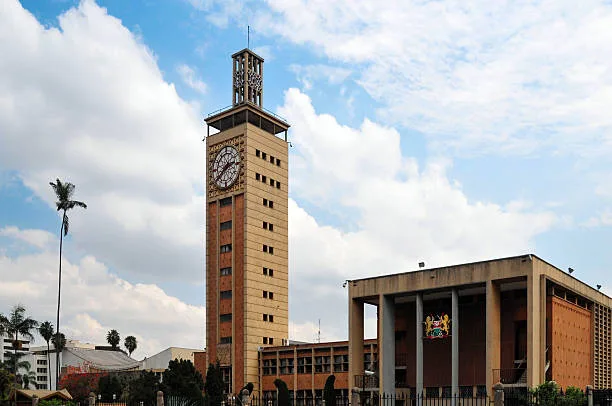
The National Assembly Departmental Committee on Transport and Infrastructure raised the concerns on Tuesday, September 22, during an inspection of KPA headquarters and port facilities in Mombasa County. The committee, chaired by Ndia MP George Kariuki, said it would seek a special audit of the project to establish whether public resources were being used appropriately.
The project involves a 1.8-kilometre dual carriageway and an elevated viaduct within the port. MPs questioned KPA officials, including Acting Managing Director Fredrick Oyugi, over why such a large amount had been committed to the relatively short stretch of infrastructure.
Kariuki demanded details of the tendering process, including the advertisement, the number of companies that submitted bids, the materials being used and the basis on which the winning contractor was selected.
The committee also questioned the legal basis for KPA using its internal revenue to finance the project, according to reports by the Daily Nation and other Kenyan media outlets.
KPA officials, however, maintained that the project should not be viewed as an ordinary road construction exercise. The authority says the development is a major port transport infrastructure project involving complex engineering works designed to improve cargo movement and reduce conflicts between heavy trucks and other traffic within the port.
According to the Kenya News Agency, the project includes 704 metres of elevated viaduct supported by bored pile foundations and reinforced concrete box girders, with some sections rising to about 15 metres above ground level.
The works also involve drainage, retaining structures, utility relocation, electrical and ICT infrastructure and security installations, making the project considerably broader than simply laying asphalt on a conventional road.
KPA has previously said the project was informed by a 2018 TradeMark Africa traffic management study, which identified congestion and traffic conflicts along the Back of Port Road corridor and recommended a grade-separated transport solution.
The contract was awarded through an international competitive tender to Stecol Corporation and Miliki Development Company Joint Venture. The Standard reported that four international contractors submitted bids ranging from about Sh8.3 billion to Sh9.6 billion, with the joint venture emerging as the lowest evaluated responsive bidder at Sh8.344 billion, inclusive of VAT.
KPA has defended the price, arguing that the project was competitively procured and that the winning bid was the lowest evaluated responsive offer. In an earlier explanation reported by the Kenya News Agency and The Star, the authority said the project should be considered major port infrastructure rather than an ordinary road.
The project is expected to improve traffic flow between different sections of the Port of Mombasa, including the links towards Gates 18 and 20 and other important transport corridors. KPA says the infrastructure is part of its wider master plan to improve the port's capacity and operational efficiency.
The project has attracted attention because of its overall price compared with its relatively short road length. However, the full cost cannot be assessed simply by dividing the contract amount by the road distance because the project includes the elevated viaduct, foundations, drainage, utilities, security systems and other specialised infrastructure.
The parliamentary committee's proposed audit could therefore provide more information on the actual cost components, procurement process and financing arrangements.
KPA previously reported that the project had reached about 49.3 per cent physical progress by June 2026, while the Kenya News Agency later reported that construction was approximately halfway complete. The project is expected to be completed in March 2027.
For now, MPs want KPA to provide the tender documents, designs, cost details and other records relating to the project. The authority has undertaken to provide the requested information as Parliament continues examining the Sh8.3 billion expenditure.
The proposed special audit will determine whether the project's cost and procurement complied with the relevant requirements and whether the infrastructure is delivering value for the resources committed to it.


Comments
No approved comments yet.