
The Controller of Budget has raised a major constitutional question over the oversight of billions of shillings collected from Kenyans through government funds and levies.
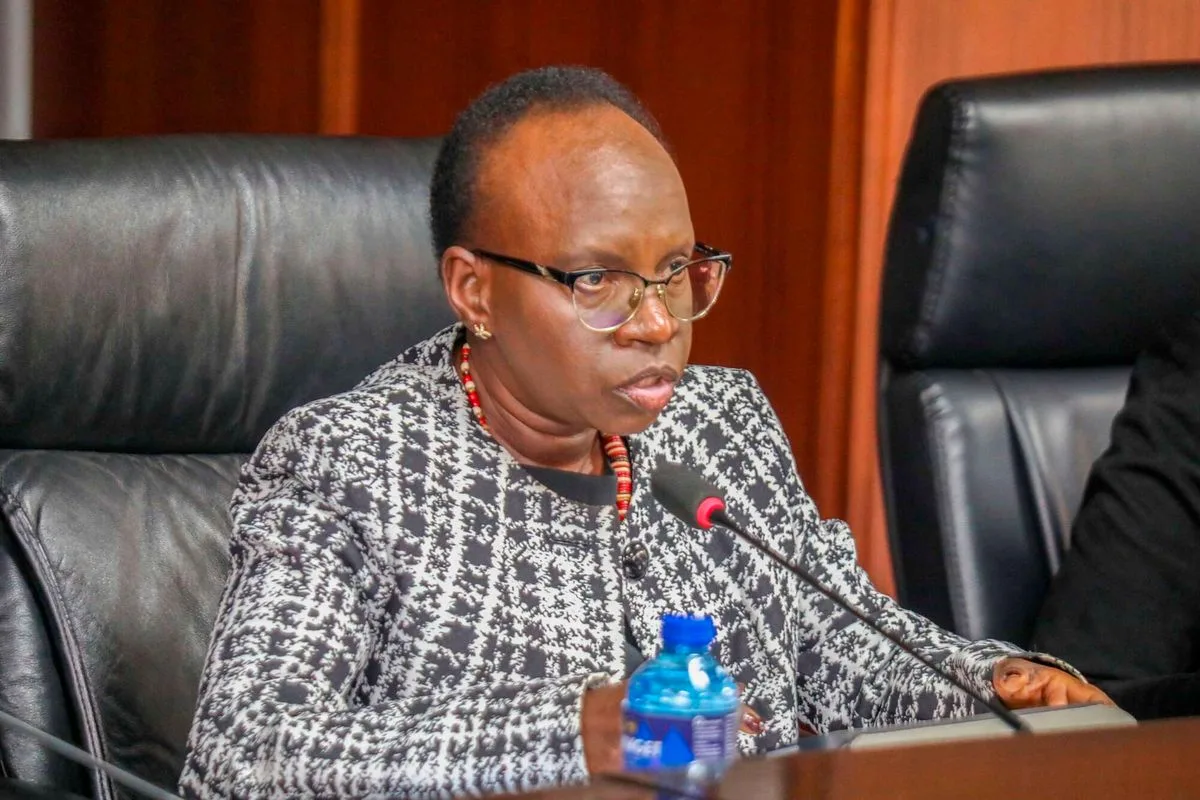
Dr Margaret Nyakango, who is mandated by law to approve withdrawals from public funds, says her office has no direct visibility over several funds that sit outside the Consolidated Fund.
The revelation was captured by The Standard on its front page on September 21, 2026, under the headline "Sh5tr blind spot", reporting that the proposed Sh5 trillion National Infrastructure Fund and Sovereign Wealth Fund would operate beyond the direct sight of the Controller.
Speaking during an interview with Citizen TV on September 17, 2026, Nyakango listed the affected funds as the Social Health Insurance Fund (SHIF), National Infrastructure Fund (NIF), Sovereign Wealth Fund and Primary Healthcare Fund.
According to Citizen Digital, Nyakango explained that because these funds are established under separate legal frameworks, they are not part of the Consolidated Fund, which her office directly oversees.
"No visibility at all. Anything called a fund or a levy, we will not see it, are not part of the Consolidated Fund," she said.
She explained that her office often only approves lump-sum transfers to implementing ministries and agencies, without the ability to trace how the money is ultimately spent.
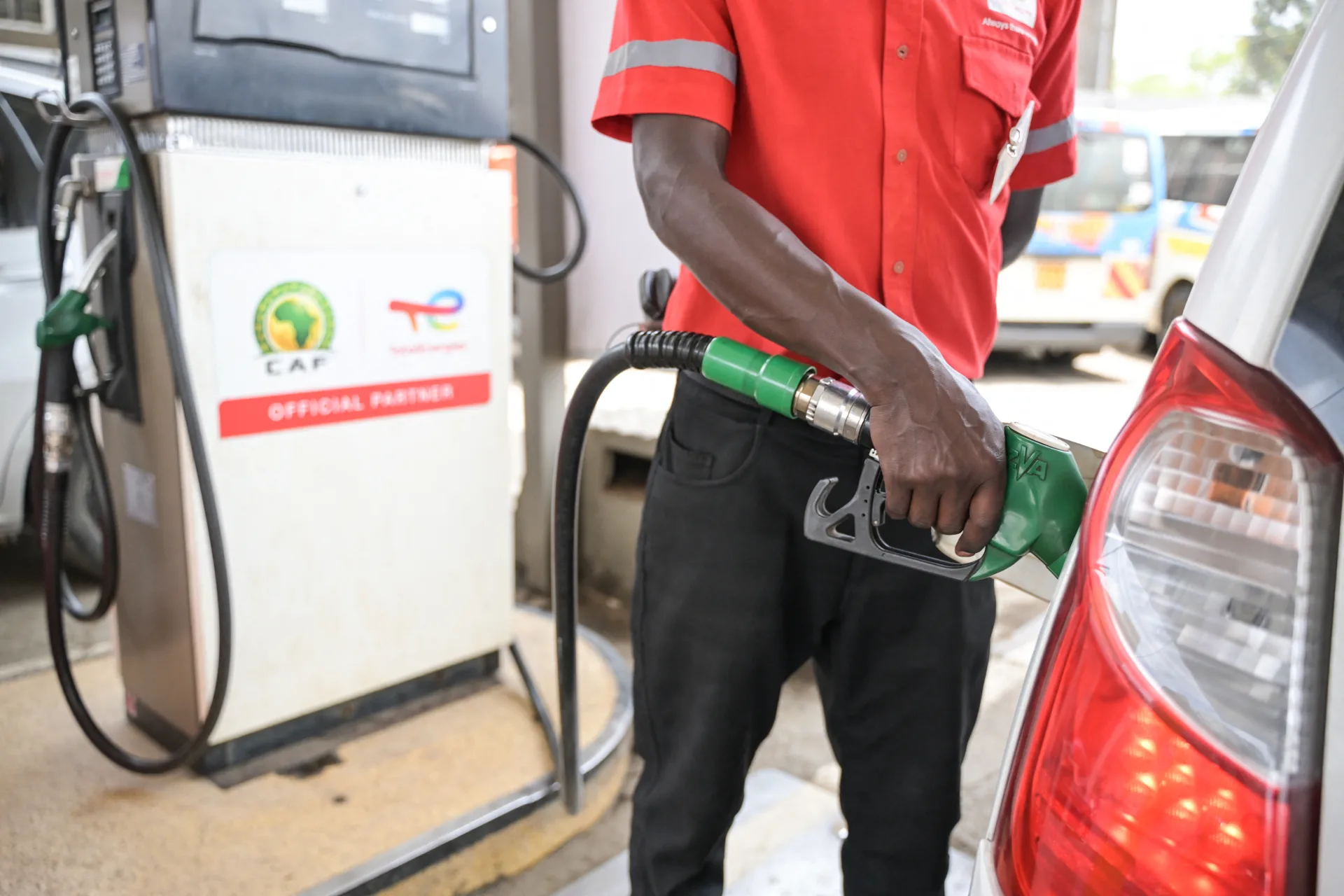
The funds in question collect billions monthly. They include the Affordable Housing Levy Fund, Social Health Insurance Fund, Hustler Fund, Road Maintenance Levy Fund and Railway Development Levy Fund, all restructured or created under President William Ruto's administration.
The remarks triggered a sharp response from the government. Health Cabinet Secretary Aden Duale said the characterization that some public funds fall outside any framework of oversight is inaccurate and requires clarification.
In a statement reported by People Daily Digital, Duale said funds established under Acts of Parliament remain subject to Kenya's constitutional and statutory accountability framework, including audit by the Auditor-General and oversight by Parliament.
Former Law Society of Kenya President Faith Odhiambo raised constitutional concerns. According to Radio Generation Kenya, Odhiambo cited Article 206(1) of the Constitution, which states that money raised or received by or on behalf of the national government should be paid into the Consolidated Fund, except where the law allows otherwise.
"By constitutional design, public money must be traceable and accountable," she said, arguing that routing revenue outside the established framework could reduce the Controller's ability to follow the money.
The debate comes as the government plans to establish the National Infrastructure Fund and Sovereign Wealth Fund to finance roads, energy and other mega projects, with estimates placing the kitty at Sh5 trillion.
Analysts say the issue exposes a gap between the Controller of Budget's direct oversight powers and the broader accountability mechanisms applicable to public funds, a gap that now requires public debate and possible legislative reform.

Comments
No approved comments yet.