

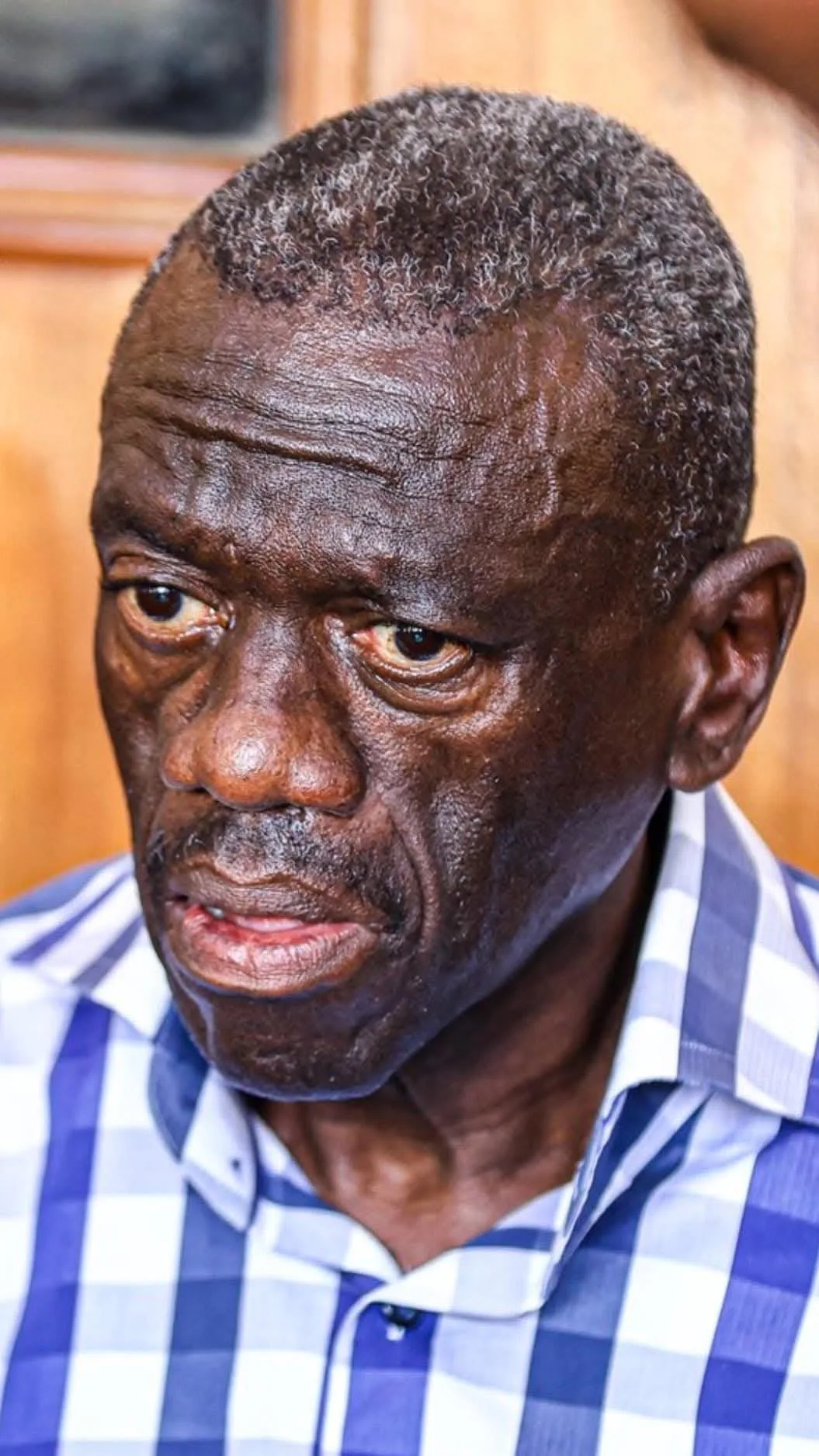
The planned demonstration is putting fresh attention on one of the most controversial cross-border cases involving Kenya and Uganda, with activists demanding answers over what happened to Besigye after he was last seen in Nairobi on November 16, 2024.
The protesters plan to march to the President’s Office on Harambee Avenue, where they want the Kenyan government to address questions surrounding Besigye’s disappearance and subsequent transfer to Uganda.
For the activists, the issue goes beyond Besigye himself. They argue that the circumstances surrounding his removal from Kenya raise questions about Kenya’s sovereignty and the protection of people on Kenyan soil.
“We are not marching against Kenya; we are marching for Kenya. We are marching because Kenya’s sovereignty must mean something on Kenyan soil,” activist Sayialel Mankuyio said on Saturday.
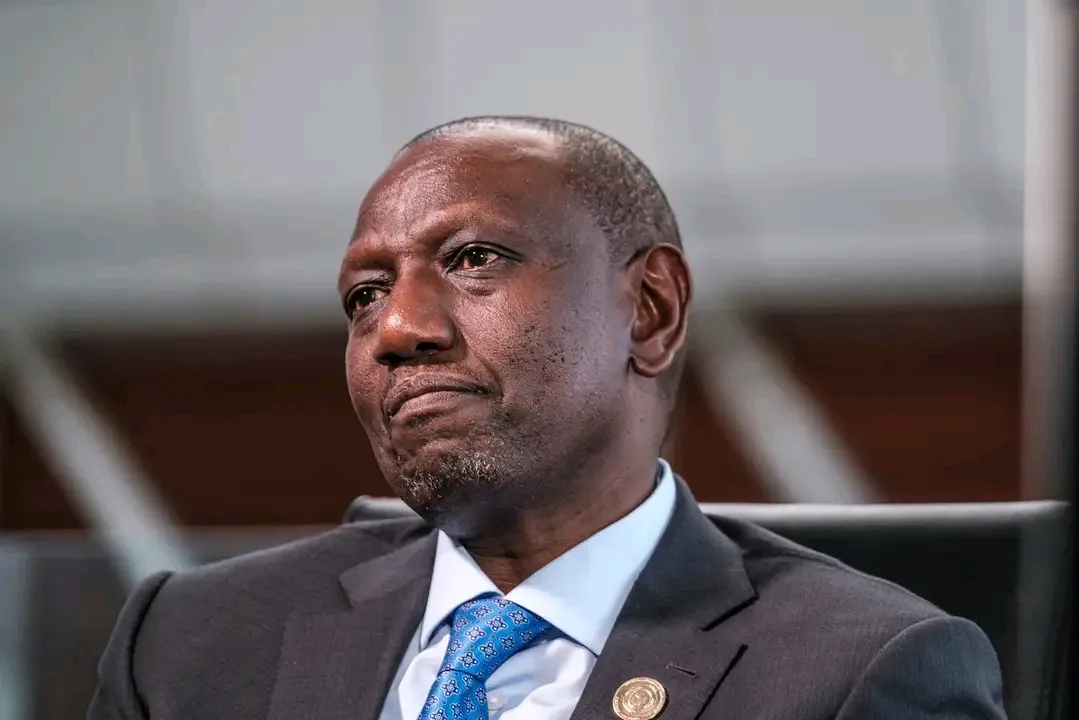
What happened to Besigye in Nairobi?
Besigye, a veteran Ugandan opposition politician and former presidential candidate, was in Nairobi when he reportedly disappeared on November 16, 2024.
According to his lawyers, he was last seen at an apartment complex in Nairobi at about 4:30pm before his whereabouts became unknown.
Four days later, he resurfaced in Uganda, where he was initially taken before a military court.
Amnesty International said at the time that Besigye had been forcibly returned to Uganda and criticised the absence of an extradition process from Kenya. The organisation said his lawyers alleged possible collusion between Kenyan and Ugandan authorities, while noting that the Kenyan government denied involvement.
The circumstances surrounding the transfer have never ceased to generate controversy.
The East African Court of Justice is also handling a case brought by Besigye and three others against the Attorneys General of Kenya and Uganda.
According to the court's case record, the applicants allege that they were subjected to extraterritorial abduction, arrest, incommunicado detention and forcible removal from Kenya to Uganda, allegedly with the involvement or approval of the governments of the two countries. Those are allegations before the court, not established findings.
Why the case is back in the spotlight
The planned Nairobi protest comes as Besigye's legal battle in Uganda continues.
He is jointly charged with his aide Hajji Obeid Lutale and Uganda People's Defence Force officer Captain Denis Oola. The accused have denied the allegations.
Ugandan prosecutors allege that the three participated in meetings in Uganda, Kenya, Greece and Switzerland as part of a plan to overthrow President Yoweri Museveni's government by force of arms.
The prosecution's case has included allegations concerning meetings and activities in Kenya.
Recent testimony in the Ugandan proceedings has also generated fresh attention in Kenya, including allegations concerning firearms and other items allegedly found at a Nairobi apartment. Those claims remain part of evidence presented in court and have been disputed by the defence.
Activists demand answers from Kenya
The activists now want the Kenyan government to explain how Besigye was able to disappear from Nairobi and subsequently appear in Uganda without a conventional extradition process.
They are also calling for an independent investigation into the circumstances surrounding his transfer and accountability for any security officers found to have participated in unlawful conduct.
The activists have connected Besigye's case to another incident involving Ugandan nationals in Kenya.
They have raised the July 2024 arrest of 36 Ugandan nationals in Kisumu, whom they say were subsequently handed over to Ugandan authorities. Amnesty International previously documented the arrests and described the deportations as part of wider concerns over cross-border repression in the region.
One of the activists said the group had repeatedly sought answers from the Kenyan government without receiving what they considered a satisfactory response.
“We have made this announcement because our government here in Kenya has refused to respond to the issues we raised with them concerning Besigye,” the activist said, according to Eastleigh Voice.
A case with regional implications
Besigye's disappearance has become part of a broader debate over the treatment of political opponents and government critics across East Africa.
Amnesty International described the incident in 2024 as raising concerns about transnational repression, while Kenya-based rights organisations have also raised broader concerns about alleged cross-border operations involving critics of governments in the region.
The legal proceedings have meanwhile crossed national boundaries, with Besigye's case appearing before courts in both Uganda and regional institutions.
For the Nairobi activists, Monday's march is therefore not simply a demand concerning one opposition politician.
It is a renewed call for the Kenyan government to account for what happened on Kenyan soil on November 16, 2024 — and to clarify what role, if any, Kenyan security agencies played in Besigye's disappearance and transfer to Uganda.
The demonstration is expected to culminate at the President's Office on Harambee Avenue, bringing the unresolved questions surrounding Besigye's disappearance back into Kenya's public debate.



Comments
No approved comments yet.