
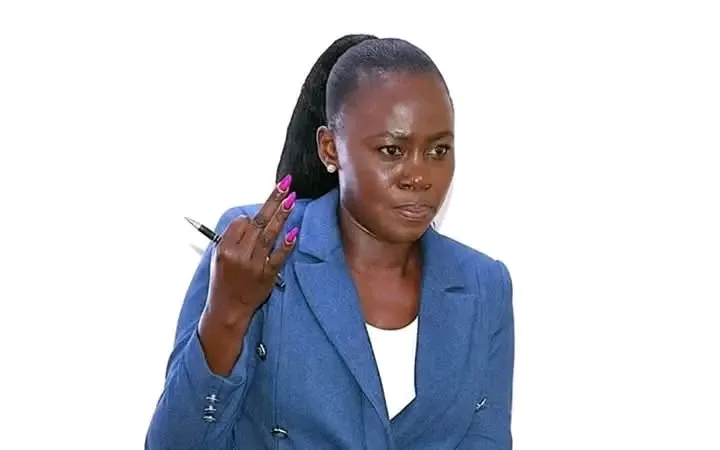
Akothee wants qualified Kenyan artists to be given opportunities to work within county governments and institutions responsible for culture, entertainment, talent development and the creative economy.
In a proposal addressed to President Ruto, the musician argued that artists should be recognised not only as entertainers but also as professionals capable of contributing to government programmes, talent development and the growth of Kenya’s creative economy.
“I propose the establishment of a structured County Artists Employment Programme, where qualified Kenyan artists are given opportunities to serve within government and institutions responsible for the creative economy, including leadership and strategic management roles,” Akothee said.
Akothee proposes 470 jobs for artists
At the centre of Akothee’s proposal is a plan that would see every county employ at least 10 qualified artists.
If implemented as proposed, the programme would translate to 470 direct positions across Kenya’s 47 counties.
“47 counties × 10 artists = 470 direct jobs and 470 families empowered,” Akothee stated.
She proposed that the artists could work in areas including talent development, culture, entertainment, mentorship and creative economy management.
The proposal would therefore expand the role of artists beyond performances and entertainment, positioning their skills within programmes designed to support Kenya’s cultural and creative sectors.
Akothee links music licensing to artists’ livelihoods
Akothee also used music licensing to illustrate the economic activity generated by the creative sector.
“Using a simple example: if 2,000 establishments each pay approximately KES 8,500 annually in music licensing fees, that represents KES 17 million generated from music,” she said.
The KSh17 million figure is presented by Akothee as an example in her proposal and is not independently verified in the statement.
Her broader argument is that revenue generated through the use of creative works should be connected to sustainable opportunities for the artists whose work contributes to that economy.
Akothee called for a transparent and legally structured funding mechanism to support the proposed county employment programme.
“With a transparent and legally structured funding model, every county could employ at least 10 qualified artists in areas such as talent development, culture, entertainment, mentorship and the creative economy,” she said.
‘Artists are not asking for handouts’
Akothee insisted that her proposal is not a request for government assistance without accountability.
Instead, she wants the government to establish a sustainable framework through which artists can participate in and benefit from the economic value generated by their creative work.
“Artists are not asking for handouts. We are proposing a sustainable system that allows artists to benefit from the economy they help create,” she said.
The musician argued that Kenya’s creative industry should be treated as an important economic sector capable of creating employment, supporting families and generating enterprise opportunities.
Her proposal also places emphasis on royalties, which she argues should translate into more sustainable livelihoods for artists.
“Let artists earn from what they sweat for,” Akothee said.
Akothee asks Ruto to turn art into employment
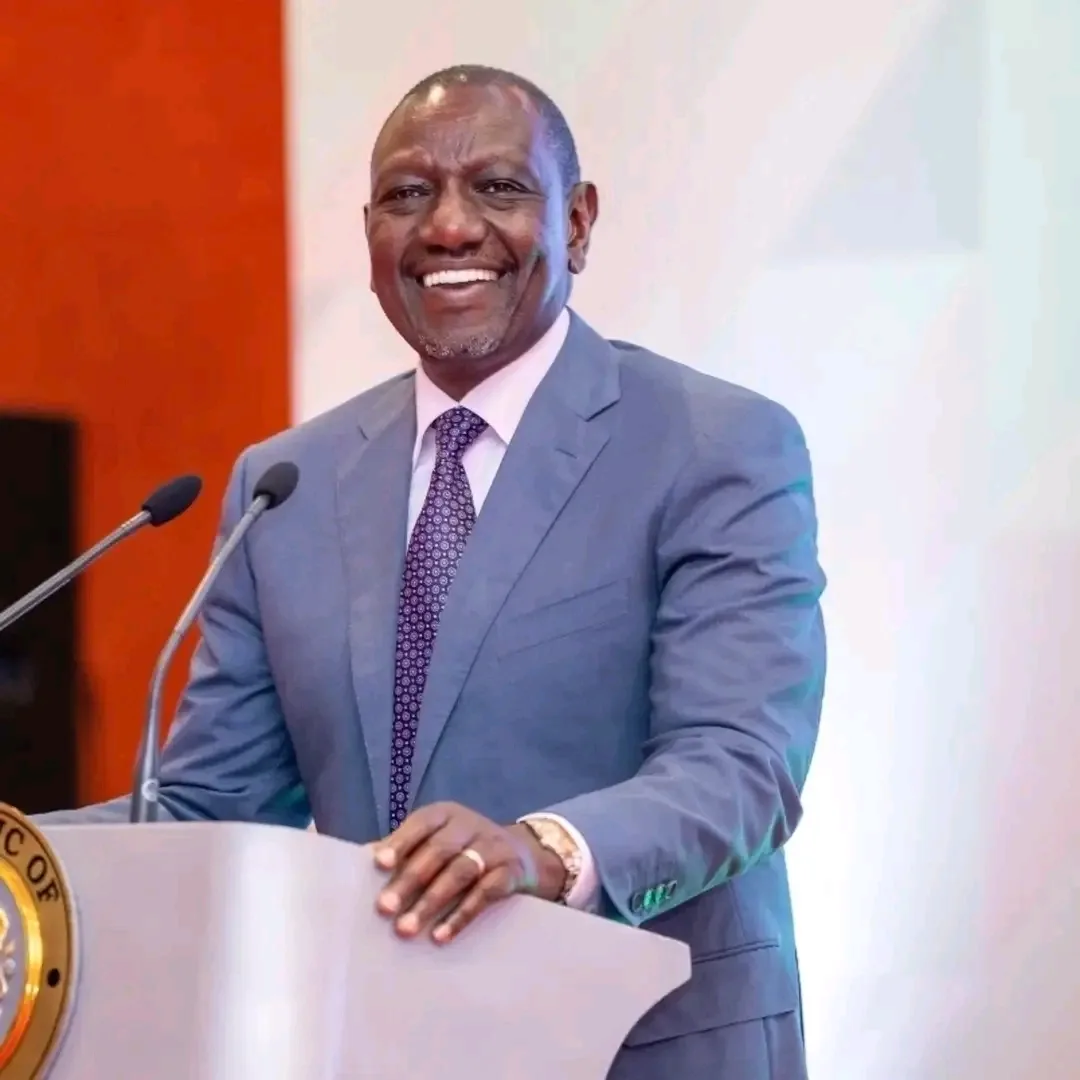
The singer made a direct appeal to President Ruto to consider the proposed programme as part of efforts to expand employment opportunities within Kenya’s creative economy.
“Mr. President, let us turn ART into EMPLOYMENT, TALENT into ENTERPRISE, and ROYALTIES into SUSTAINABLE LIVELIHOODS,” Akothee said.
For the proposal to become a government programme, it would require a clear legal and administrative framework covering recruitment, eligibility, funding, accountability and the responsibilities of artists employed at county level.
It would also require decisions on which government institutions would oversee the programme and how funding linked to the creative economy would be managed.
Why Akothee wants artists employed by counties
Akothee’s proposal seeks to address what she describes as a gap between the economic value generated by artists and the livelihoods available to the people producing creative content.
Under her proposed model, artists would have opportunities to use their professional experience in areas such as mentorship, cultural programming, entertainment management and talent development.
The proposal could also provide counties with a pool of professionals with practical experience in music, entertainment and the wider creative sector.
However, the proposed 470 positions remain a proposal and would only become actual jobs if the government adopts and implements the programme.
Akothee’s message to the President
Akothee signed the proposal as Amb. Esther Akoth Kokeyo (Akothee) and directly addressed President William Samoei Ruto.
Her appeal comes as the creative economy continues to attract attention as a potential source of employment and enterprise opportunities for young Kenyans and creative professionals.
The central message in Akothee’s proposal is that artists should have a greater stake in the economic system built around their work.
“Let artists earn from what they sweat for,” she said.
If adopted, Akothee’s proposal would represent a significant shift in how artists participate in public-sector cultural and creative programmes, moving from occasional support initiatives towards a structured employment model.
For now, however, the proposal remains a call to the President and government to establish such a system.
Akothee’s proposed formula is straightforward: 10 artists in each of Kenya’s 47 counties, creating 470 potential jobs while giving artists a formal role in developing talent, culture and the creative economy.
Do you want to be published? E-mail info@thedailywhistle.co.ke or WhatsApp 0721930260
Comments
No approved comments yet.