

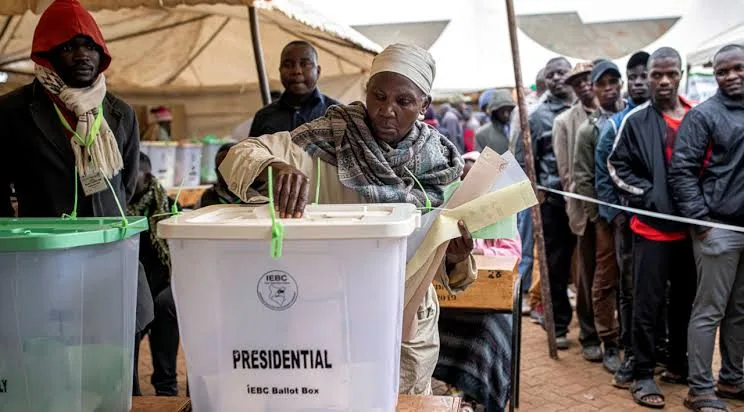
More than 557,000 Kenyans could face difficulties participating in the 2027 General Election if they fail to collect their national identity cards, prompting the government to launch a nationwide exercise to trace the owners of the uncollected documents.
The development has raised questions about the country's preparedness for the next General Election, particularly as voter registration is expected to begin in January 2027.
Immigration and Citizen Services Principal Secretary Belio Kipsang disclosed that 557,930 national identity cards remained uncollected across the country when he appeared before the National Assembly Departmental Committee on Administration and Internal Security on Thursday, November 5.
According to reports by Citizen Digital and Daily Nation published on November 6, the government is now working with chiefs and assistant chiefs to locate people whose identity cards have already been processed but remain at registration offices.
The exercise is intended to ensure that eligible Kenyans obtain their identification documents in time to participate in the next general election.
More concerning is the revelation that nearly 400,000 of the uncollected identity cards have remained at registration offices for more than 10 years.
This means that thousands of Kenyans could still be unaware that their identification documents are ready for collection, despite having completed the application process years ago.
In a report published on November 7, The Star revealed that the government was considering additional measures to accelerate the collection exercise, including involving local administrators in tracing applicants within their respective areas.
The government is also finalising an electronic notification system through e-Citizen that will alert applicants through SMS whenever their identity cards are ready.
During his appearance before Parliament, Kipsang further announced that the government had removed charges previously imposed on new identity card applications and replacements.
Previously, applicants paid KSh 300 for new identity cards and KSh 1,000 for replacements. The removal of these charges is intended to eliminate financial barriers that could prevent eligible Kenyans from obtaining identification documents.
However, the announcement comes amid complaints from lawmakers about delays in the processing and distribution of identity cards.
Teso South MP Oku Kaunya raised concerns over more than 5,000 identity cards in Amagoro that had reportedly taken between two and three months to reach registration stations after processing.
According to Capital FM's November 6 report, the legislator challenged the immigration department to explain the delays, particularly as the country prepares for the next electoral cycle.
Kipsang responded that the department had the capacity to print up to 20,000 identity cards daily and was working towards ensuring applications were processed and delivered within seven to 10 days.
People Daily also reported on the government's plan, highlighting the potential implications of the uncollected identity cards for the Independent Electoral and Boundaries Commission's preparations for the 2027 elections.
The issue is particularly important because possession of a valid national identity card is a key requirement for Kenyan citizens seeking to register as voters.
However, the 557,930 uncollected cards do not automatically mean that all their owners will be excluded from voting. The government is attempting to ensure that the documents reach their rightful owners before the registration exercise.
With the 2027 General Election approaching, attention is now turning to whether the government will successfully clear the backlog and address the delays reported in different parts of the country.
The bigger question is whether every eligible Kenyan will have an opportunity to obtain the necessary identification documents and participate in choosing the country's next leadership.


Comments
No approved comments yet.