
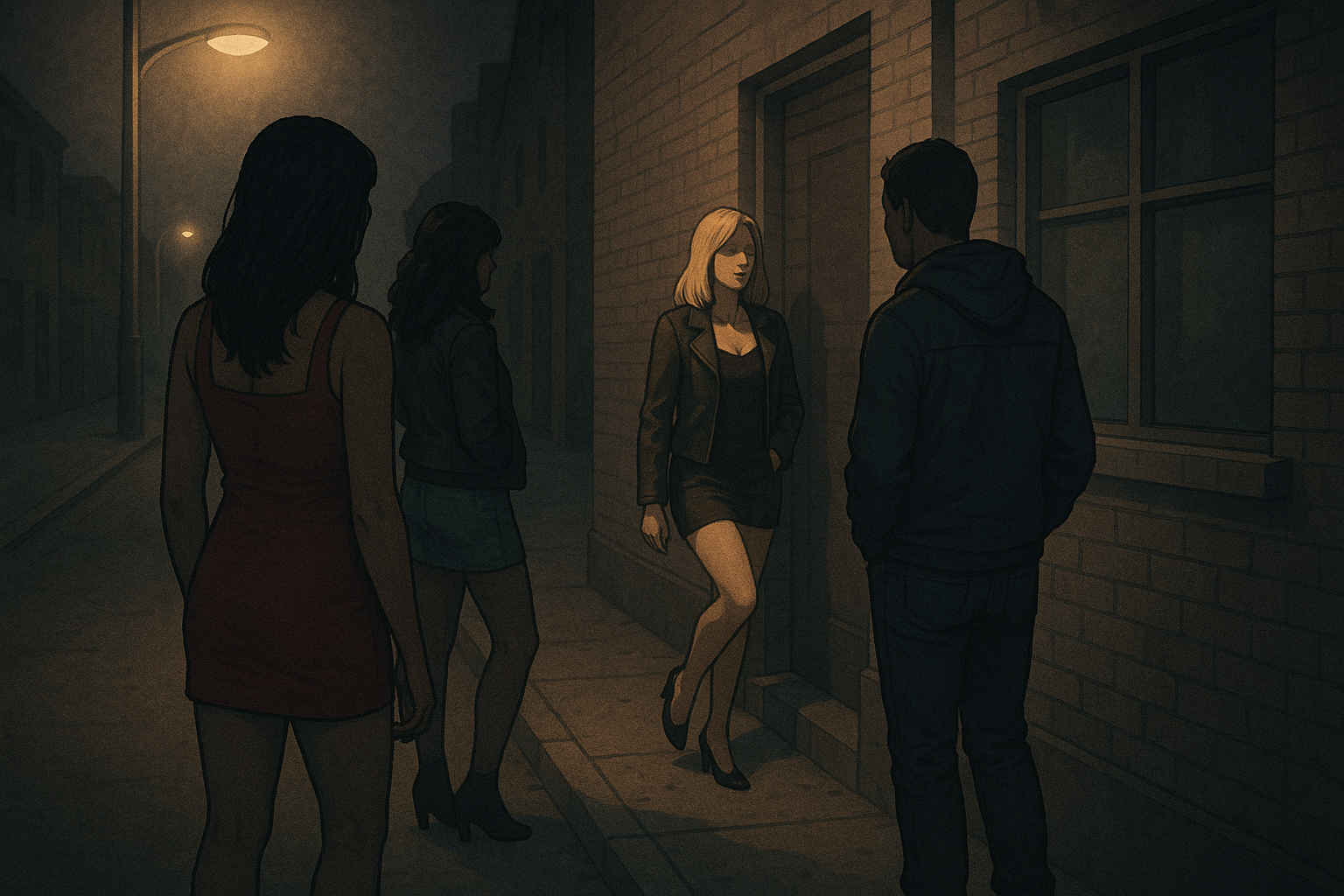
On International Sex Workers Day, the Nguvu Change Leader also advocates for the destigmatisation of this vulnerable group
Human Rights Watch, in its World Report 2025, states that violence against women and girls, including high femicide rates, is seeing a disturbing spike in Kenya. It adds that 15 percent of women and girls have been subjected to Female Genital Mutilation (FGM), and 13 percent of girls are married by the age of 18. Nearly 83 percent of women and girls experience at least one form of obstetric violence during pregnancy, childbirth, or the post-partum period.
In this scenario, sex workers, especially, are at great risk as their lives are marked by stigma and they lack easy access to justice. They are vulnerable not just to mental health challenges such as depression but also to sexually transmitted diseases.
Read: How to Flirt Like a High-Value Man (Without Being Creepy, Needy, or Boring)
On International Sex Workers Day (June 2), Nguvu Change leader Valerie Aura is highlighting the harsh realities faced by sex workers across Kenya, calling for systemic change and supporting this marginalised group's struggle for dignity and basic rights.
With Kenya currently gathering public views through its Presidential Taskforce on GBV and Femicide, there is a critical opportunity to centre the voices of those too often excluded, like sex workers, to address long-standing gaps in policy and protection. But unless they are included in the conversation along with other marginalised survivors, the reforms risk replicating the same systemic blind spots. Their experiences must also inform the country's response and align with the African Union's groundbreaking Convention to End Violence Against Women and Girls (AUCEVAWG).
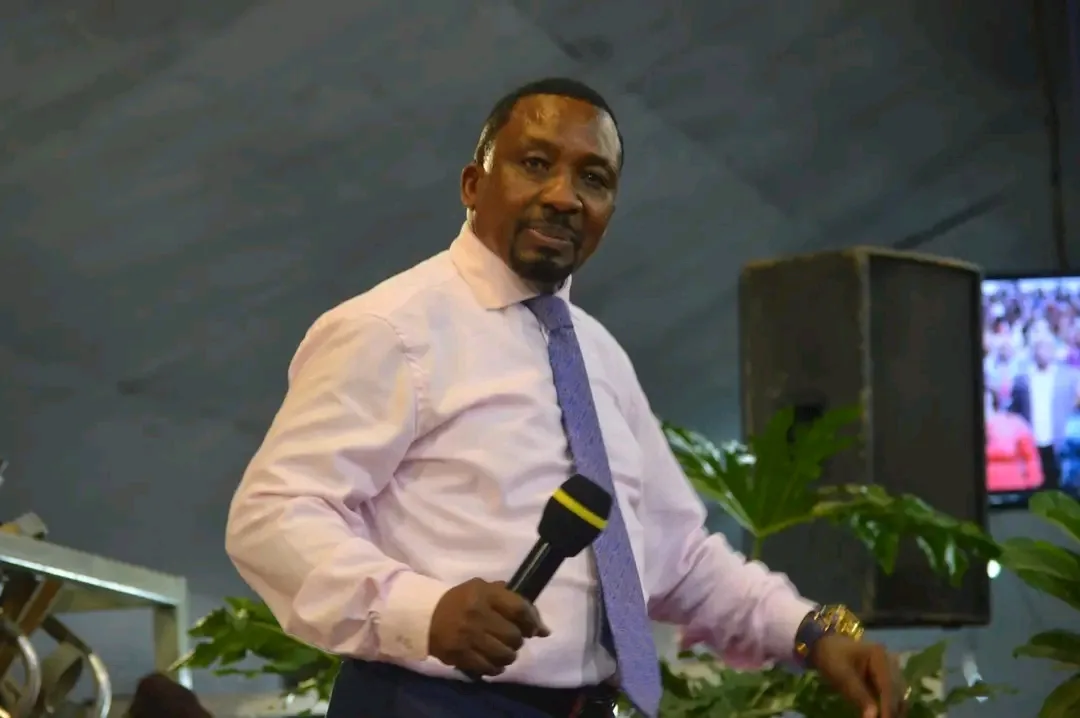
"The system, as well as society, treats sex workers as an invisible group that should remain in the shadows. The criminalisation of sex work, along with the fear of arrest and lack of safe spaces, adds to their trauma. This also keeps them from accessing health services and cuts them off from regular care, let alone mental well-being interventions. This situation must change. They are citizens of this country, with every right to medical care and justice, including mental health care," says Valerie Aura.
Read: Arrow boy and Nadia… Love or Clout?
She believes mental health and trauma support should be tailored to their needs, and public awareness campaigns should be launched to reduce stigma and promote equality. Valerie has already launched an Online Petition demanding structural change at the grassroots level to ensure mental health support for survivors of violence, including sex workers.
Her campaign is driven by her own experience but her vision also encompasses the stories of many others who are overlooked and marginalized systematically. She struggled to access therapy and psychosocial support after leaving home due to violence and abuse, and believes that free mental health care for GBV survivors, including sex workers, is essential to build a more just society in Kenya.


Comments
No approved comments yet.