

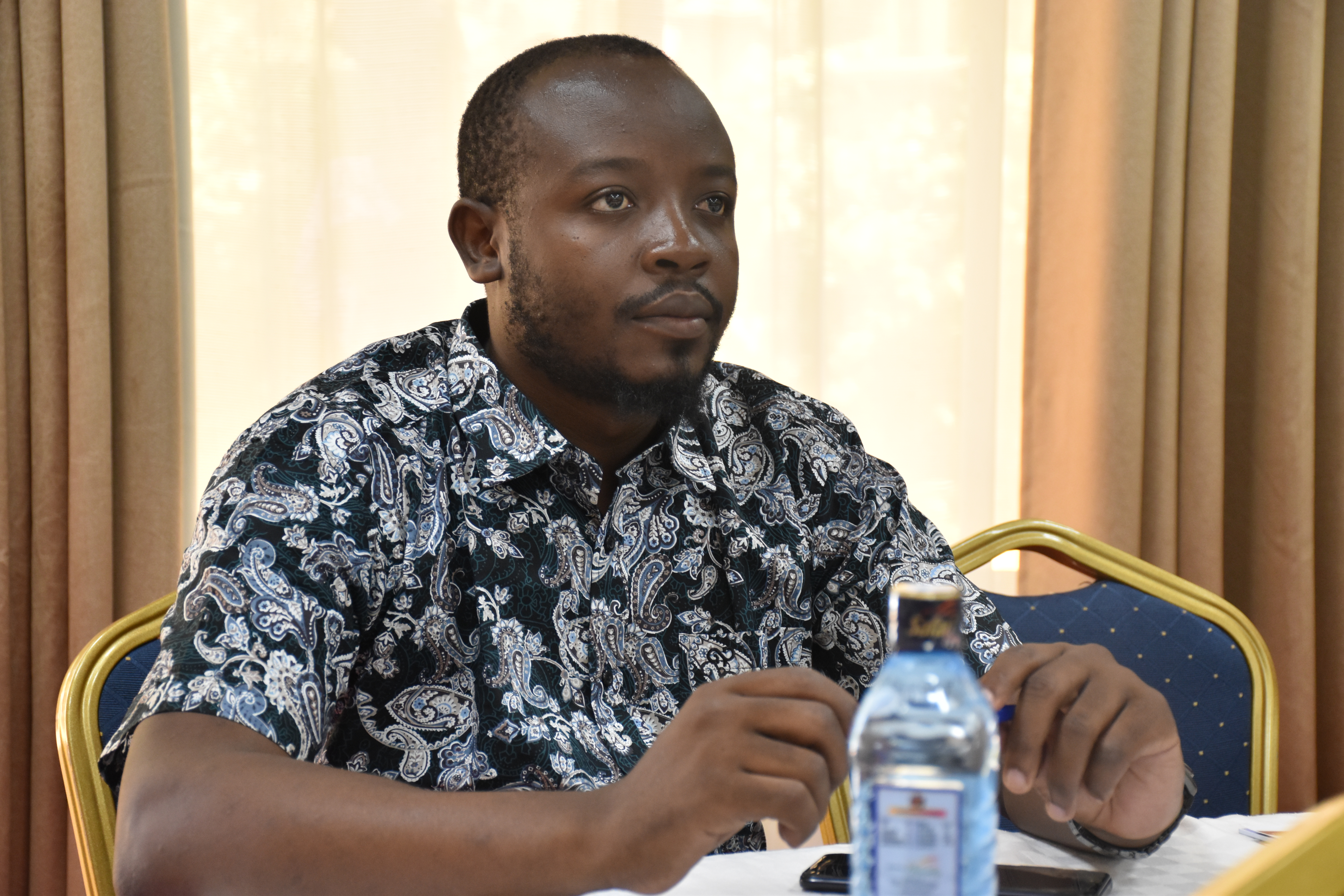
Nguvu Change Leaders Kerry Mwita, Peter Luya and Dambalash Ermiyas Males are actively advocating for women's rights through their petitions
Gender-based violence (GBV) is a global epidemic with a seemingly interminable cycle. The much-talked-about OTT show 'Adolescence' has shed light on the rampant global culture of toxic masculinity that is radicalizing even young boys and creating a dangerous 'manosphere' unsafe for women and girls.
Reports released in December 2024 recorded 7,000 cases of violence against women in Kenya since September 2023.
As cases of femicide continue to increase, gender justice organisations including UN Women Kenya have launched regional initiatives on positive masculinity. In April 2025, UN Women, the Kenyan State Department for Gender and Affirmative Action, and other women's empowerment stakeholders announced that they facilitated the first draft of a National Male Engagement and Inclusion Strategy.
Nguvu Collective is at the forefront of this movement to transform patriarchal societal norms by engaging men and boys as allies in the fight against GBV. It is actively working towards creating safer environments for women and girls via leadership training, and advocacy campaigns.
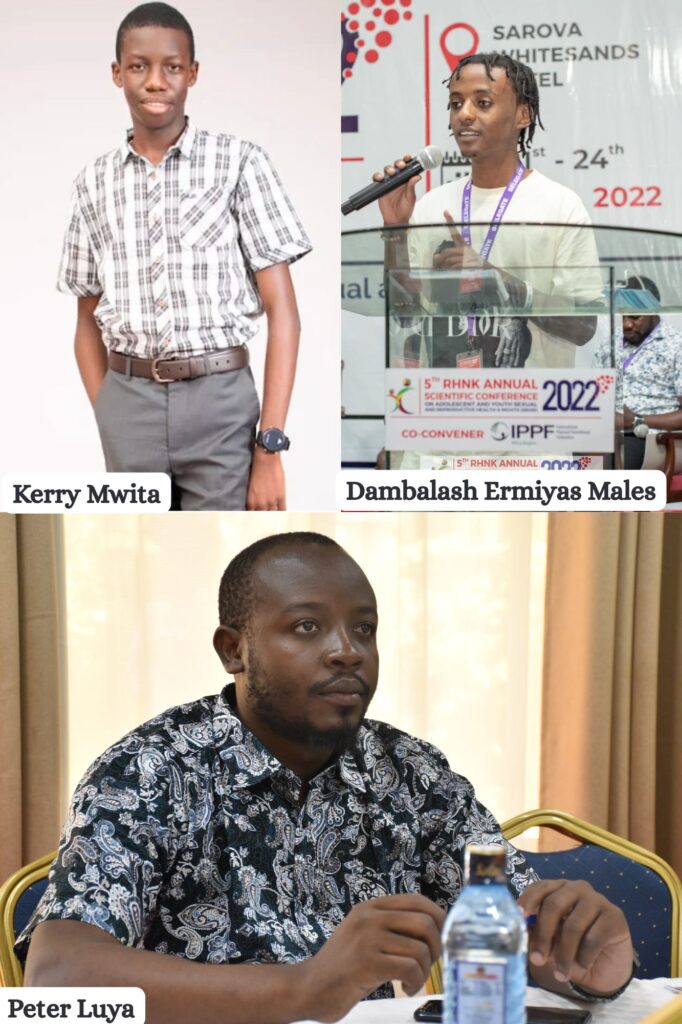
Meanwhile, Nguvu Change Leaders Kerry Mwita, Peter Luya and Dambalash Ermiyas Males have emerged as masculine role models and true allies in the fight against GBV. They are advocating for women's rights through their advocacy campaigns , with the support of the Nguvu Collective.
"Not just women, but with support from Nguvu, more men are now stepping up to lead meaningful campaigns at the grassroots level. Cases of gender-based violence, including domestic violence, sexual abuse, rape, and FGM, are increasing in Kenya and it is our collective responsibility to stand against such crimes, regardless of gender," says Kerry Mwita, who has filed an online petition seeking the establishment of a specialised GBV court in Migori County. The proposed court could reduce the backlog in mainstream courts, encourage more people to seek legal redressal, and help restore public trust in the justice system.
Nguvu Change Leader Peter Luya is addressing the vulnerable status of widows and their struggle to access their rights. "I launched my public campaign after witnessing my mother's struggles. Across Kenya, countless widows endure similar hardships, lacking support from their families, communities, or state institutions. Widows are driven out of their matrimonial homes, leaving them and their orphaned children in distress," says Peter. His online petition urges the Cabinet Secretary for Public Service, Affirmative Action, and Gender Affairs to ensure that widows are protected from exploitation and guaranteed their right to inheritance after their husband's death.
Another issue that demands urgent attention is the lack of accessible, affordable, and youth-friendly sexual and reproductive health and rights (SRHR) services, particularly for women and adolescent girls. Dambalash Ermiyas Males is addressing this gap through his online petition, which calls for the integration of age-appropriate sexuality education into Kenya's national curriculum.
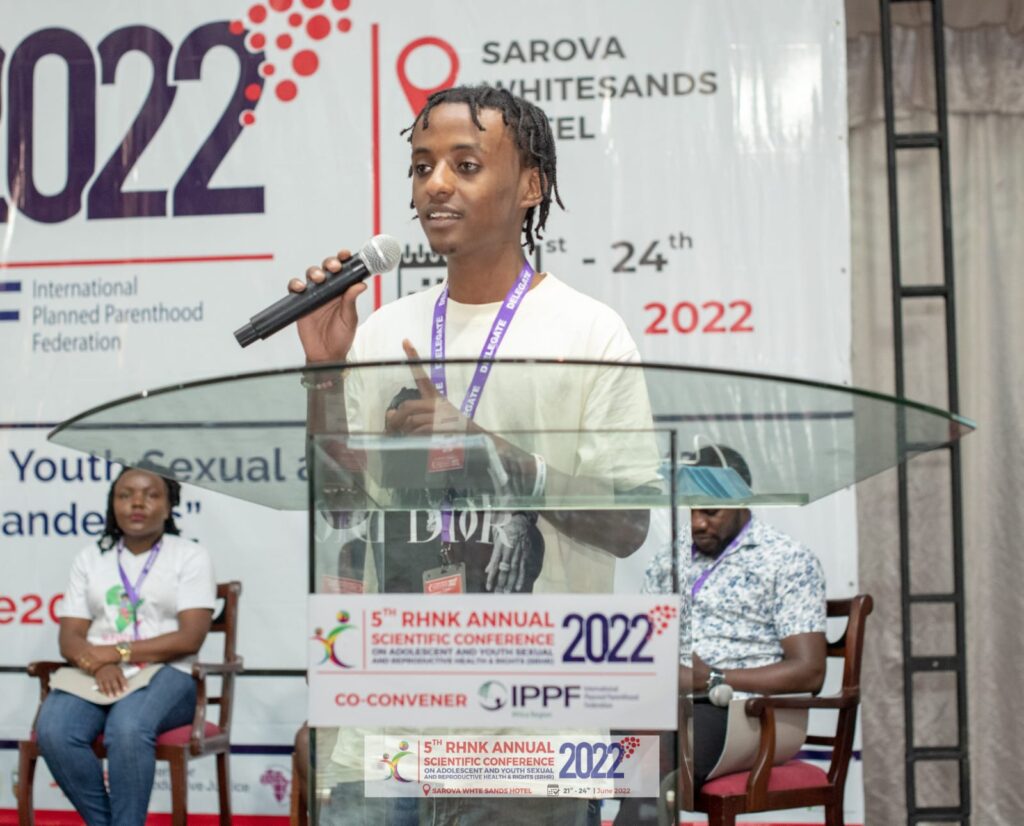
"Inclusion of sexual education in Kenya's curriculum can also empower the next generation—especially girls—to understand their bodies, make informed decisions, and claim their constitutional rights. It's a vital step toward creating a healthier, educated, empowered, and more equitable future generation," he adds.
Now, as more and more men join the movement in Kenya to protect human rights and promote gender equality, Nguvu Collective believes that role models like Kerry, Peter, and Dambalash will inspire male allies of gender justice to drive gender justice campaigns.
"Our male change leaders have taken powerful and publicly visible positions against gender based violence, toxic masculinity, and discrimination against women. They have been consistently advocating for systemic changes that will transform how women's roles have been envisioned in homes and workplaces. Their advocacy campaigns are powerful tools to create a more equal world; one rooted in fairness, compassion, and mutual understanding," says Durga Nandini, Co-founder of Nguvu Collective.

Comments
No approved comments yet.