
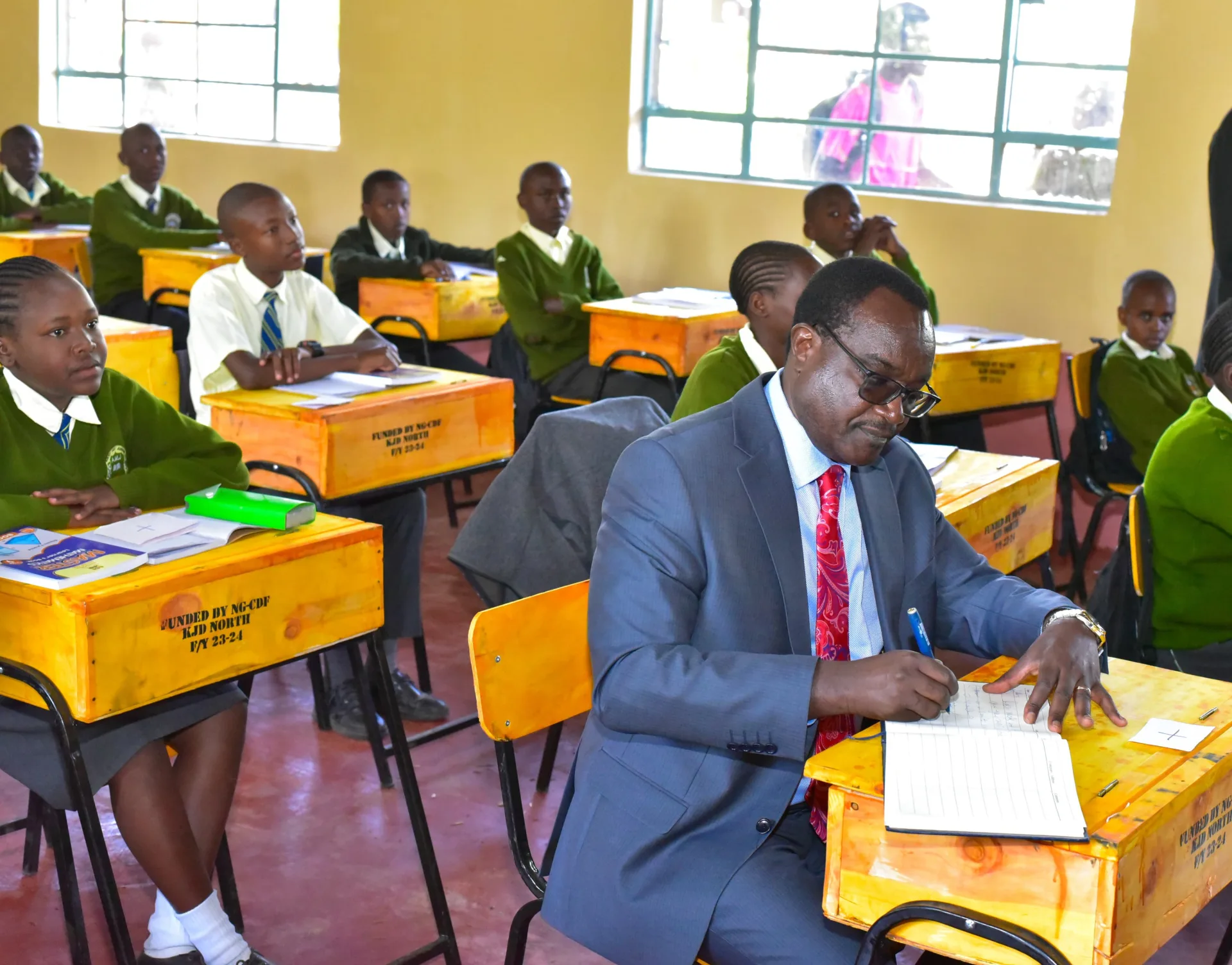
Kenya has allocated Sh784.5 billion to education for the 2026/27 financial year, yet schools and universities continue to face major financial challenges. The Standard's Monday, September 28, 2026, 8th Day edition highlighted the contradiction under the headline “Education's Sh784b hole,” pointing to shortages in school capitation, university debts and the rising cost of education.
Where the Sh784.5 Billion Is Going
According to Parliament's record of the 2026/27 Budget Statement, Treasury Cabinet Secretary John Mbadi proposed Sh784.5 billion for education, including Sh424.3 billion for the Teachers Service Commission, Sh136.6 billion for basic education, Sh163.9 billion for higher education and Sh58.5 billion for TVET institutions.
Parliament records further show that Mbadi described the allocation as 26.4 per cent of the ministerial budget and said it represented a 49 per cent increase from the Sh526 billion allocated to education in 2021/22.
The Star reported that the Sh784.5 billion allocation represented an increase of Sh81.8 billion from the Sh702.7 billion provided to education in the previous financial year. The increase means the government is committing more money to the sector, although the size of the overall allocation does not necessarily mean every programme is fully funded.
The Capitation Gap
The Standard reported that the basic education sector faced a Sh71.77 billion funding shortfall for the 2026/27 financial year. The newspaper said the gap affected programmes including learner capitation, textbooks, examinations, school feeding and construction of Grade 9 classrooms.
The Standard's report further showed that free primary education required Sh15.67 billion but had been allocated only Sh7 billion. Junior secondary education required Sh54.68 billion against an allocation of Sh30.91 billion, while free day secondary education also faced a substantial gap.
According to Citizen Digital, the Ministry of Education had requested additional funding for several programmes after determining that existing allocations would not be sufficient to meet the sector's needs. The report highlighted the difference between what education programmes required and what Treasury had provided.
The problem has also been felt directly by schools. The Daily Nation reported that secondary schools were owed Sh22.5 billion in capitation for the first and second terms, with school heads warning that delayed funding was affecting preparations for national examinations and other operations.
The Star also reported that the government released Sh18.5 billion in third-term capitation, but school heads maintained that institutions were still operating under financial pressure because the amount received remained below their expected annual requirements.
Universities Carry More Than Sh100 Billion in Obligations
The funding crisis extends to public universities, where accumulated debts have become another major problem.
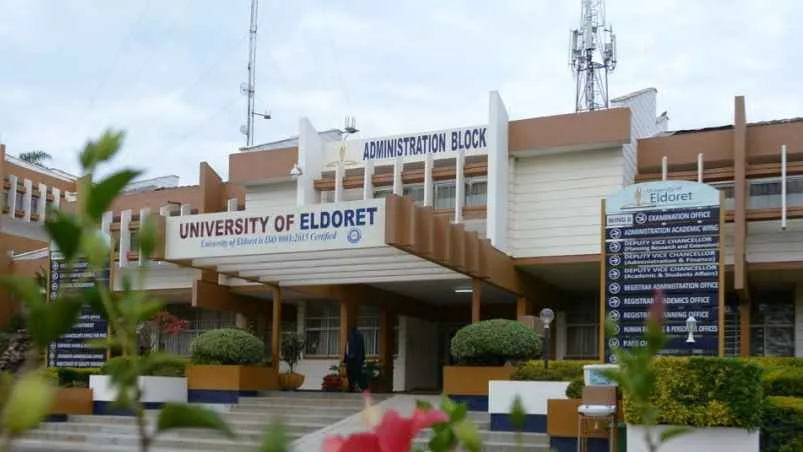
According to the Daily Nation, public universities had accumulated pending bills of about Sh100 billion by September 2026. The newspaper reported that the figure represented money owed to creditors and statutory agencies and had increased considerably from the level recorded when the current administration took office.
The Standard similarly reported that public universities had accumulated Sh100.3 billion in pending bills as of January 31, 2026. The liabilities included unpaid salaries and wages, statutory deductions, SACCO deductions, payments owed to part-time lecturers and money owed to suppliers.
The Star reported that university financing was also affected by a gap between the amount required for student scholarships and grants and the amount approved in the budget. Higher Education Principal Secretary Beatrice Inyangala told MPs that universities required Sh70.3 billion for scholarships and grants but had an approved budget of Sh41.2 billion, leaving a Sh28.9 billion deficit.
Daily Nation also reported that universities were facing additional pressure over lecturers' salaries and collective bargaining agreements. The newspaper said the Universities Academic Staff Union had raised concerns about funding for the 2025–2029 agreement, while university leaders maintained that they needed adequate government funding to meet the new obligations.
Why the Sh784 Billion Does Not Tell the Whole Story
The figures reveal why the education debate cannot be based solely on the size of the national allocation.
National Treasury's budget figures show a massive overall allocation, but reports from schools and universities demonstrate that individual programmes and institutions can still face shortages when their approved funding is below actual requirements.
The Standard's investigation illustrates this gap particularly clearly: while the overall education budget stands at Sh784.5 billion, basic education alone faces tens of billions of shillings in funding requirements that are not fully covered by the approved allocations.
The Daily Nation's reporting on universities provides another example, with public universities carrying more than Sh100 billion in pending bills despite education receiving one of the largest allocations in the national budget.
The figures therefore present two realities at the same time. Government budget documents show increased spending on education, while reporting by The Standard, Daily Nation, The Star and Citizen Digital documents specific funding gaps affecting schools and universities.
The central issue raised by The Standard's “Education's Sh784b hole” headline is therefore not simply how much Kenya has allocated to education, but whether the money provided is sufficient for the programmes being funded and whether institutions receive their allocations on time.
For parents, teachers and students, the impact is ultimately experienced at school and university level. The continuing capitation shortages, accumulated university debts and programme-specific funding gaps show why a large national education budget does not automatically eliminate financial difficulties across the sector.
The Sh784.5 billion allocation is therefore only part of the picture. The more important question is how much the education system actually requires, how that money is distributed and whether it reaches institutions when they need it.
Comments
No approved comments yet.