
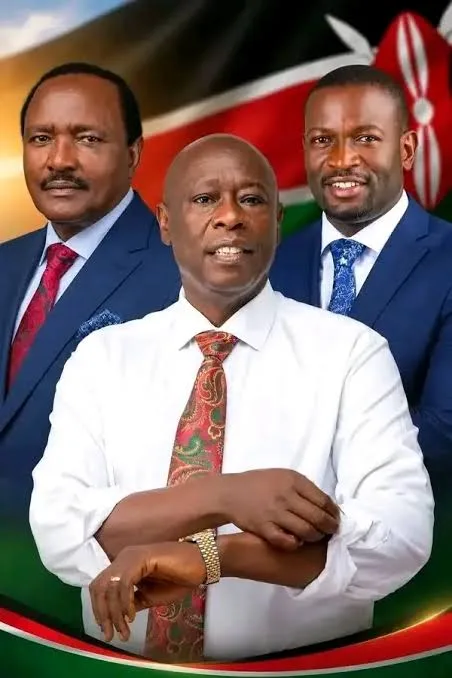
Kenya's opposition is facing a growing political challenge ahead of the 2027 General Election, with disagreements among influential leaders raising questions about whether they can unite behind a single presidential candidate to challenge President William Ruto.
Although opposition politicians have repeatedly promised to work together, their latest exchanges suggest that agreeing on a common strategy could prove difficult.
The disagreement has particularly emerged between former Deputy President Rigathi Gachagua and former Attorney General Justin Muturi, who hold different positions on when the opposition should announce its presidential candidate.
On Monday, November 16, Citizen Digital reported that Muturi had challenged the proposal to delay the announcement until May 2027.
Muturi argued that the opposition needed sufficient time to prepare for the election and questioned the logic of keeping Kenyans waiting until a few months before the polls to know their preferred candidate.
He also raised concerns about the electoral timetable, arguing that political parties needed to complete important nomination processes before the proposed announcement.
Gachagua, however, has maintained that announcing the candidate too early could expose the individual to political pressure, investigations and intimidation.
During an interview with KTN News, the former Deputy President argued that the opposition should first strengthen its political structures and agree on its preferred candidate before making the decision public.
He cited the political experiences of leaders such as himself, Wiper leader Kalonzo Musyoka and Nairobi Senator Edwin Sifuna as reasons for exercising caution.
The disagreement has exposed a difficult question facing the opposition: should it announce its presidential candidate early to strengthen mobilisation or delay the decision to protect the individual from political pressure?
The differences have also placed Gachagua's leadership role under scrutiny.
On Sunday, November 15, The Star reported that Gachagua had defended his involvement in opposition unity negotiations, dismissing suggestions that he was responsible for divisions among the leaders.
He also indicated plans to engage Kalonzo Musyoka, Eugene Wamalwa and Martha Karua as part of efforts to build a united political front.
However, the latest disagreements have raised questions about whether the leaders share the same understanding of how the proposed coalition should operate.
A TIFA Research survey released on November 12 provided another indication of the divisions surrounding opposition politics.
According to the survey, 43 per cent of respondents identified Gachagua as the politician most responsible for divisions within the opposition. President Ruto followed at 15 per cent, while Sifuna received seven per cent and Kalonzo six per cent.
The findings reflected public perceptions rather than establishing individual responsibility for the disagreements.
Nevertheless, the survey also revealed that opposition supporters remained hopeful about a possible agreement.
It found that 57 per cent considered it very likely that the different opposition formations would unite before the 2027 elections, while another 22 per cent considered such unity somewhat likely.
Kalonzo Musyoka remains another important figure in the negotiations because of his political experience and relationships with different opposition camps.
On November 10, the Daily Nation reported on his involvement in efforts to ease tensions involving Gachagua, Fred Matiang'i and Muturi.
His position could become particularly important if the opposition eventually agrees to select a presidential candidate through negotiations rather than individual political declarations.
However, Kalonzo has previously pursued the presidency, raising another question about whether he would support another candidate if the coalition settled on someone else.
Former Interior Cabinet Secretary Fred Matiang'i is also part of the emerging political equation.
The Jubilee Party leader has attracted attention as a potential presidential contender, creating another important consideration for opposition leaders seeking a common candidate.
On November 8, Citizen Digital reported that Matiang'i had dismissed suggestions of a permanent fallout among opposition politicians, maintaining that they remained committed to challenging Ruto in 2027.
His presidential ambitions, however, mean that the negotiations must accommodate another influential political figure.
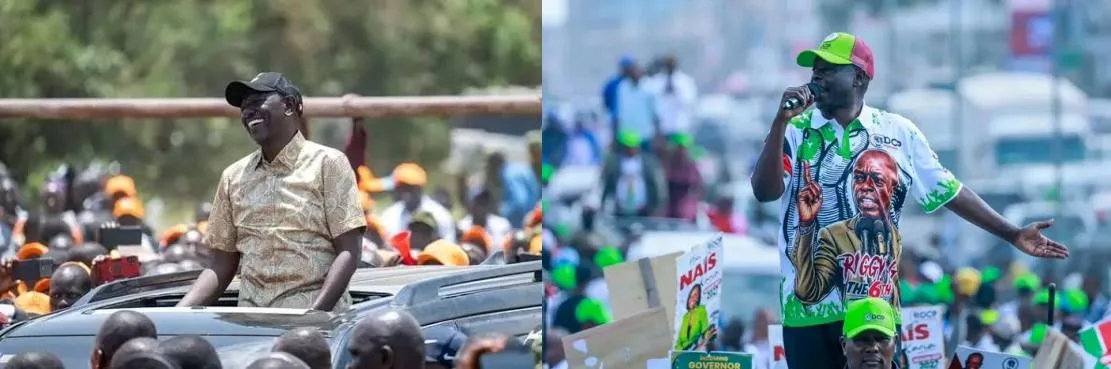
Meanwhile, Nairobi Senator Edwin Sifuna has emerged as an increasingly important voice through the Linda Mwananchi Movement.
His political activities have attracted attention, particularly among sections of younger voters, although his influence in opposition politics does not automatically translate into a nationwide presidential campaign.
Other prominent figures, including Martha Karua, Eugene Wamalwa and former Chief Justice David Maraga, also feature in discussions about the possible opposition alliance.
The challenge is that each political figure brings different ambitions, supporters and expectations to the negotiations.
Beyond selecting a presidential candidate, the opposition must also agree on how the coalition will operate, how political parties will share responsibilities and how disagreements will be resolved.
It must also present an alternative national agenda addressing issues such as unemployment, taxation, public debt, corruption and the rising cost of living.
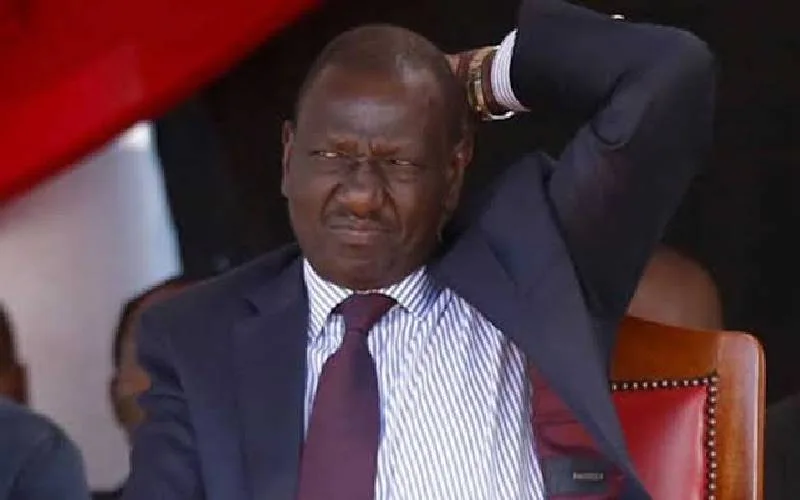
For President Ruto, a divided opposition could provide an electoral advantage if competing candidates eventually split votes in the 2027 presidential contest.
However, a united coalition with a popular candidate and a convincing national programme could present a serious challenge to his re-election ambitions.
Kenya's 2002 General Election offers an important political example. Opposition leaders united under the National Rainbow Coalition (NARC), defeating the ruling KANU party and ending its long period in power.
Whether the current opposition can achieve a similar level of political cooperation remains to be seen.
With the 2027 elections approaching, the biggest test will be whether Gachagua, Kalonzo, Matiang'i, Muturi and other opposition figures can put aside their competing interests and agree on a common political direction.
Do you believe Kenya's opposition can unite behind one presidential candidate before 2027, or will internal disagreements give Ruto an advantage?
Comments
No approved comments yet.