

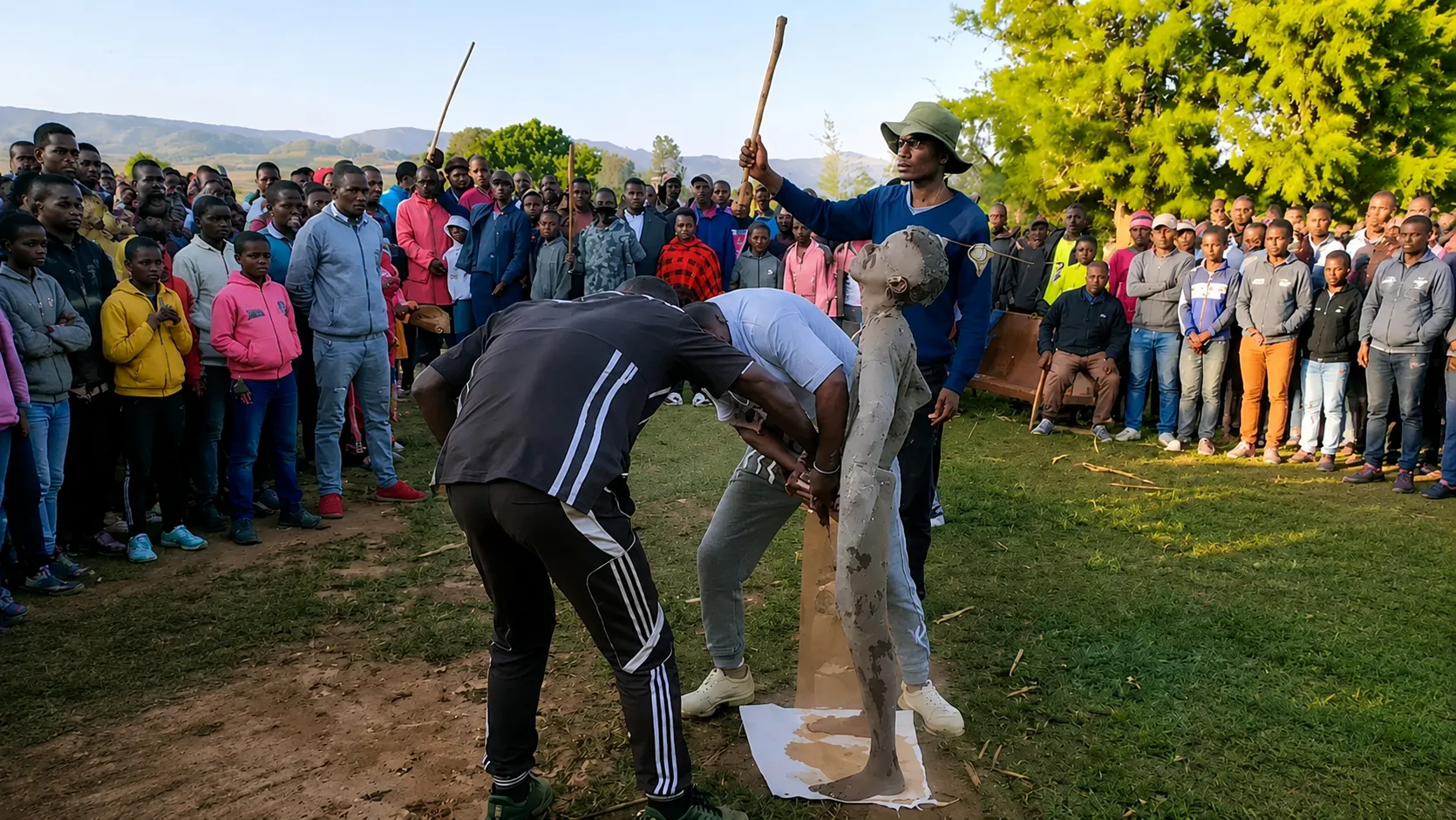
Held every even-numbered year, the initiation season transforms villages across Bungoma, Trans Nzoia, Kakamega, Busia and other areas with significant Bukusu populations into vibrant centres of celebration. Families reunite, homes welcome visitors from across Kenya and the diaspora, while traditional songs, drums and dances fill the air as young initiates prepare for one of the most important milestones of their lives.
For the Bukusu, circumcision is far more than a medical procedure. It is a sacred rite of passage that preserves identity, strengthens family bonds and passes cultural values from one generation to the next.
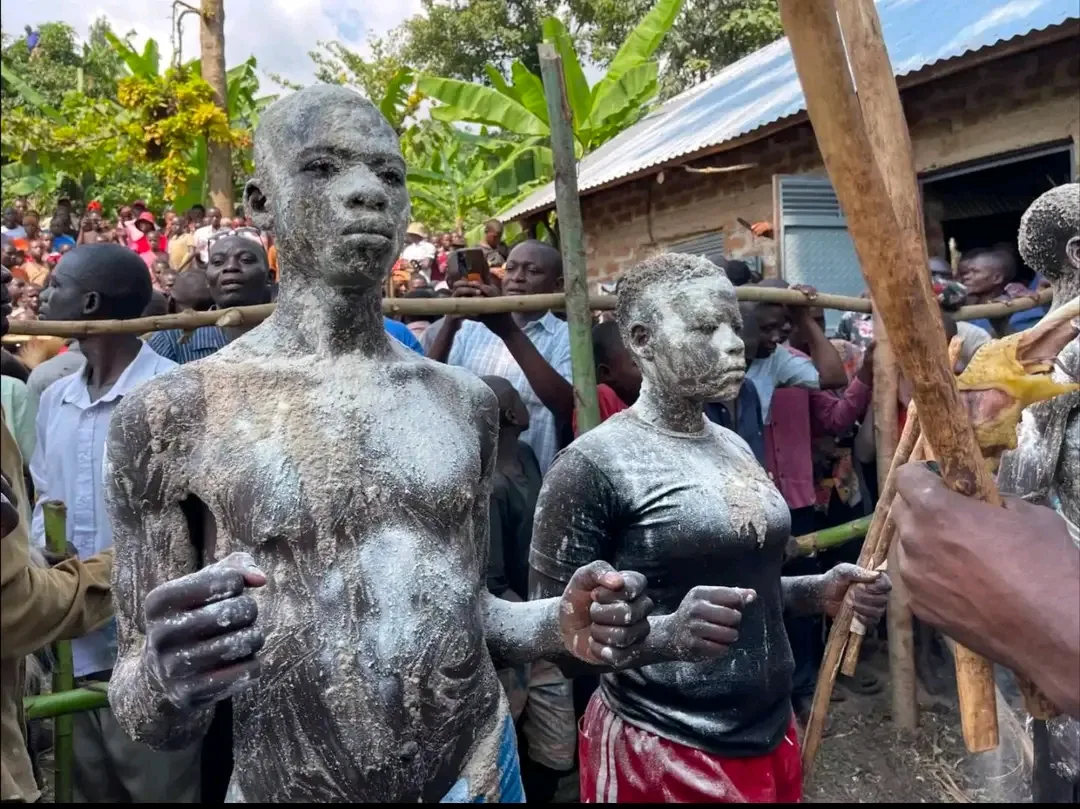
The History of Bukusu Circumcision
The Bukusu are one of the largest sub-groups of the Luhya community in western Kenya. According to oral tradition, their ancestors migrated from the region around present-day Uganda before settling around the slopes of Mt. Elgon and the fertile lands of western Kenya.
For centuries, traditional circumcision has remained central to Bukusu culture. Although historians differ on the exact period when the practice began, elders say it has been observed for hundreds of years and has survived colonial rule, the spread of Christianity, urbanisation and rapid social change.
The ceremony has continued to evolve while maintaining its core purpose of preparing boys for the responsibilities of adulthood.
More Than Circumcision
Among the Bukusu, initiation is an educational journey rather than a single event.
Weeks before the circumcision, initiates begin learning lessons from parents, grandparents and respected elders. They are taught discipline, honesty, courage, respect for women and elders, hard work, leadership and the responsibilities expected of adult members of society.
Traditionally, the initiates are expected to face the circumcision with bravery, symbolising emotional strength and readiness to assume adult responsibilities within the community.
Celebrations That Unite Communities
The circumcision season is one of the largest cultural gatherings in western Kenya.
Families slaughter livestock, prepare traditional meals and host relatives who travel from different parts of the country to witness the ceremonies.
Colourful processions wind through villages as traditional dancers, singers and drummers escort initiates from one homestead to another. The celebrations often continue late into the night, creating an atmosphere of unity and pride that brings together entire communities.
Beyond the festivities, the occasion strengthens family relationships, reconnects relatives and allows elders to share stories, traditions and customs that might otherwise be forgotten.
Preserving Bukusu Identity
Cultural experts regard the circumcision ceremony as one of the strongest pillars of Bukusu identity.
It provides a rare opportunity for younger generations to learn their history, language, customs and values directly from community elders.
For many families, participating in the ceremony is a way of honouring ancestors while ensuring that future generations remain connected to their heritage despite the influence of modern lifestyles.
Challenges Facing the Tradition
Like many indigenous cultural practices, the Bukusu circumcision ceremony has not escaped the effects of modernisation.
Urbanisation has resulted in many families living away from their ancestral homes, making it difficult to organise traditional ceremonies. School calendars, employment commitments and changing lifestyles have also influenced how and when initiations are conducted.
The spread of Christianity has seen some denominations discourage traditional rituals, while others have embraced the cultural aspects of the ceremony but encourage medical safety during the circumcision itself.
Health concerns have also become increasingly important. Government agencies and healthcare professionals continue to work with community leaders to promote hygienic practices, the use of sterile equipment and the protection of children's rights while respecting cultural traditions.
Tradition Meets Modernity
Rather than disappearing, the Bukusu circumcision ceremony is gradually adapting to contemporary society.
Many families now combine traditional teachings with modern healthcare, ensuring initiates receive medical attention while still participating in cultural education and celebrations.
Community leaders believe this balance allows the tradition to survive without compromising the health and well-being of young initiates.
The Future of the Bukusu Circumcision Ceremony
Despite rapid social and technological changes, elders remain optimistic about the future of the ceremony.
Young people continue to participate in large numbers, while digital platforms have given the tradition new visibility. Videos, photographs and documentaries are helping introduce Bukusu culture to audiences across Kenya and around the world.
Cultural leaders, scholars and community organisations are also documenting oral histories to ensure future generations understand the significance of one of Africa's enduring rites of passage.
As the 2026 circumcision season unfolds, thousands of initiates are expected to take part in ceremonies across western Kenya. While some customs may continue to evolve, the ceremony's enduring message remains unchanged: courage, responsibility, unity, respect and cultural identity.
For the Bukusu community, the circumcision season is more than a celebration. It is a living testament to a heritage that has endured for centuries and continues to shape generations in an ever-changing world.
Do you want to be published? Email info@thedailywhistle.co.ke or WhatsApp 0721930260

Comments
No approved comments yet.