
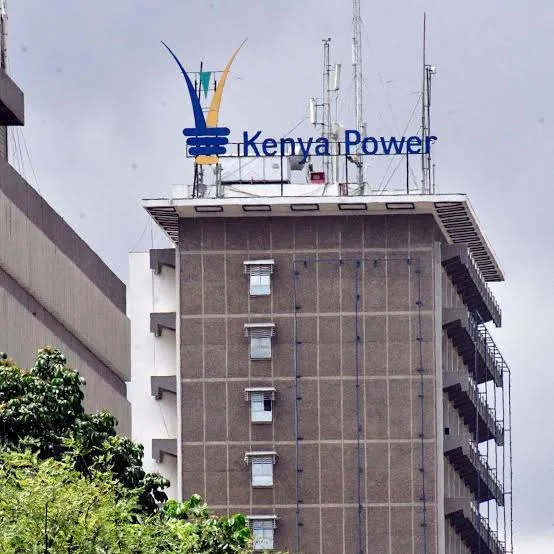
In a statement issued on Thursday, November 12, 2026, the electricity distributor explained two separate incidents that attracted widespread attention after videos of frustrated customers confronting its employees circulated on social media.
According to the company's official statement, the Naivasha dispute involved alleged unmetered electricity consumption, while the Roysambu incident concerned an accumulated electricity bill following an anomaly with a customer's meter.
The explanations have renewed debate about electricity billing, meter accuracy and consumer protection in Kenya.
Citizen Digital, in its November 11 report, established that demonstrations had erupted at Kenya Power's Naivasha offices after residents and traders protested persistent electricity interruptions and rising bills.
The demonstrations temporarily disrupted operations at the facility, forcing police officers to intervene.
Naivasha Sub-County Police Commander Wilson Sigei confirmed that 14 people had been arrested during the incident.
Citizen Digital further reported that some businesses had experienced repeated blackouts, with certain interruptions lasting up to six hours.
The demonstrations came amid growing frustration among residents who blamed unreliable electricity supply for disrupting their businesses.
However, Kenya Power offered a different explanation regarding the Naivasha billing dispute.
In its November 12 statement, details of which were reported by People Daily and TV47, the company said its team discovered in January 2026 that electricity was allegedly being drawn through a punctured cable at the customer's premises.
According to the utility, the irregular connection resulted in electricity consumption that was not being recorded by a meter.
Kenya Power said the electricity supply was subsequently disconnected and an independent inspection confirmed the unmetered consumption.
The company further claimed that the customer acknowledged the findings and signed the relevant documents before being billed for the electricity consumed.
It added that a flexible payment arrangement had been offered, but the agreed payment terms had not been honoured.
The company maintained that it remained willing to engage the customer to find an appropriate resolution.
The second incident involved a woman who challenged an accumulated electricity bill of approximately KSh200,000 at Kenya Power's Roysambu office.
In a November 7 report, Citizen Digital documented the woman's complaints, including her claim that her normal monthly electricity expenditure was approximately KSh300.
She alleged that her meter had developed a fault and that she had repeatedly contacted the utility seeking its replacement.
The customer questioned why she was being required to settle such a substantial bill despite her previous complaints about the meter.
Her confrontation attracted considerable attention online, with Kenyans demanding greater accountability and transparency in electricity billing.
In its subsequent clarification, Kenya Power acknowledged that an inspection had established an anomaly with the Roysambu customer's meter.
The Eastleigh Voice reported that the utility said a replacement meter was installed following the inspection.
The company explained that the customer's electricity consumption was subsequently assessed using the average monthly consumption recorded by the replacement meter.
It maintained that the calculation followed applicable legal requirements and confirmed that its team had contacted the customer, with discussions ongoing to resolve the matter.
The distinction between the two incidents is important. Kenya Power attributed the Naivasha dispute to unmetered consumption, while the Roysambu case involved a meter anomaly.
The disputes have also brought renewed attention to the role of the Energy and Petroleum Regulatory Authority (EPRA).
Under its consumer protection mandate, EPRA investigates complaints involving energy service providers and facilitates dispute resolution between consumers and companies.
Its official complaint platform allows electricity consumers to submit grievances when they believe their rights have been violated or their complaints have not been properly addressed.
The Energy Act, 2019, also provides the legal framework governing electricity supply, metering and the relationship between licensed electricity providers and consumers.
Its provisions include requirements concerning electricity meters, their inspection, testing and replacement.
Meanwhile, TV47 reported that Kenya Power had urged customers experiencing billing irregularities, faulty meters or missing electricity bills to seek assistance through its official customer service channels.
The company encouraged consumers to submit their meter readings through *977# or the MyPower application.
It also cautioned customers against disrupting operations at its offices, maintaining that complaints should be raised through appropriate channels.
The latest developments have placed Kenya Power under renewed public scrutiny, particularly over how it handles disputed bills and responds to customers reporting faulty meters.
For many electricity consumers, the central concern remains whether they can receive accurate bills, timely assistance and fair treatment whenever disputes arise.

Comments
No approved comments yet.