
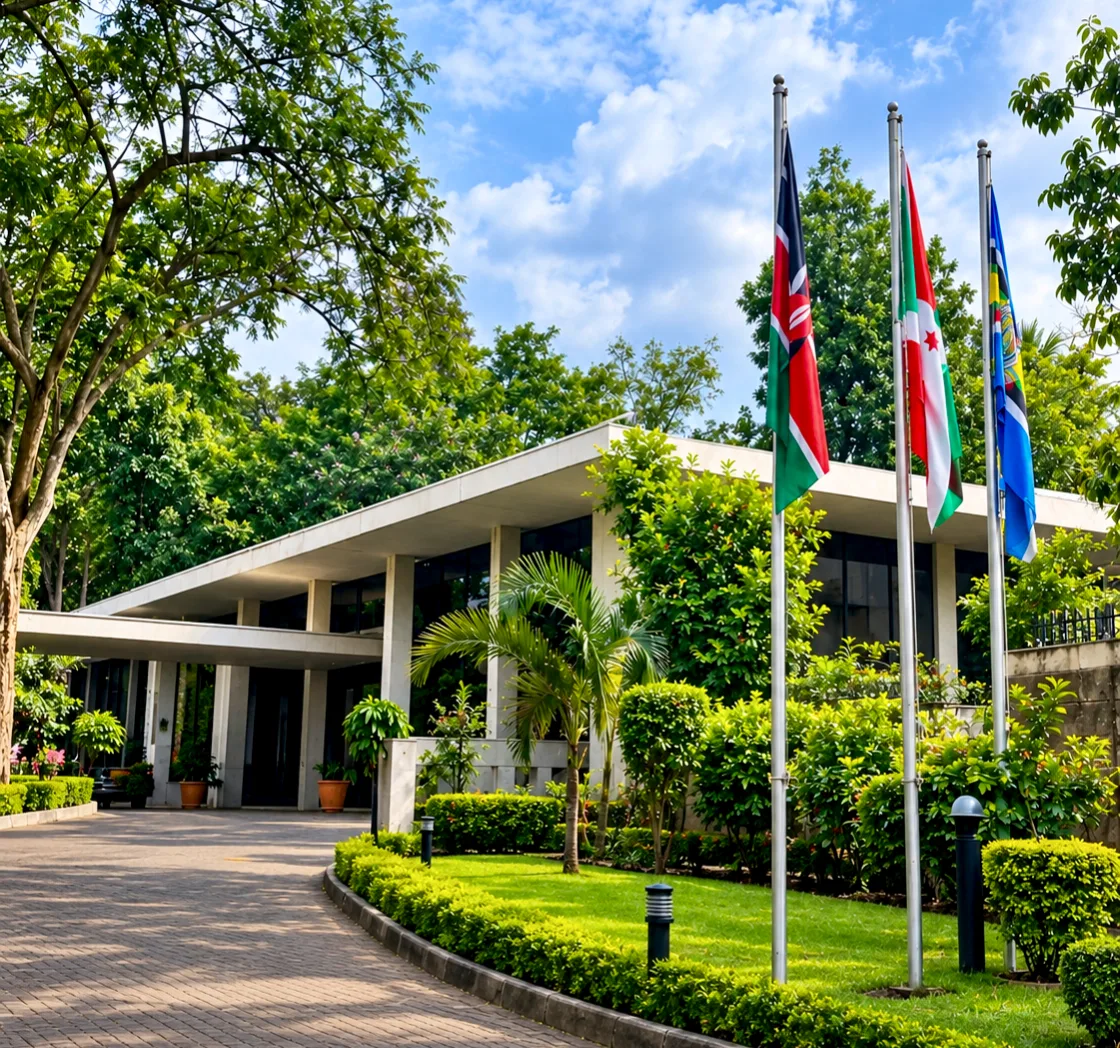
The development comes as President William Ruto’s directive targeting foreign nationals engaged in hawking and other small-scale businesses takes effect across the country.
The crackdown has sparked a rush among some Burundians in Nairobi, with nationals seeking travel documentation as uncertainty grows over the future of foreigners operating small businesses in Kenya.
The Embassy of Burundi in Nairobi has separately announced the issuance of Laissez-Passer travel documents for Burundian nationals wishing to return home, with the exercise beginning on Monday, September 7, 2026.
According to the embassy, the documents are being issued at its offices along Denis Pritt Road in Kilimani. The embassy's official website confirms that a Laissez-Passer is a travel document used by Burundian nationals travelling within East African Community member states and is valid for one year.
Why Burundians are rushing for travel documents
The rush comes against the backdrop of heightened enforcement by the Kenyan government against foreigners engaged in businesses it says should provide opportunities for Kenyan citizens.
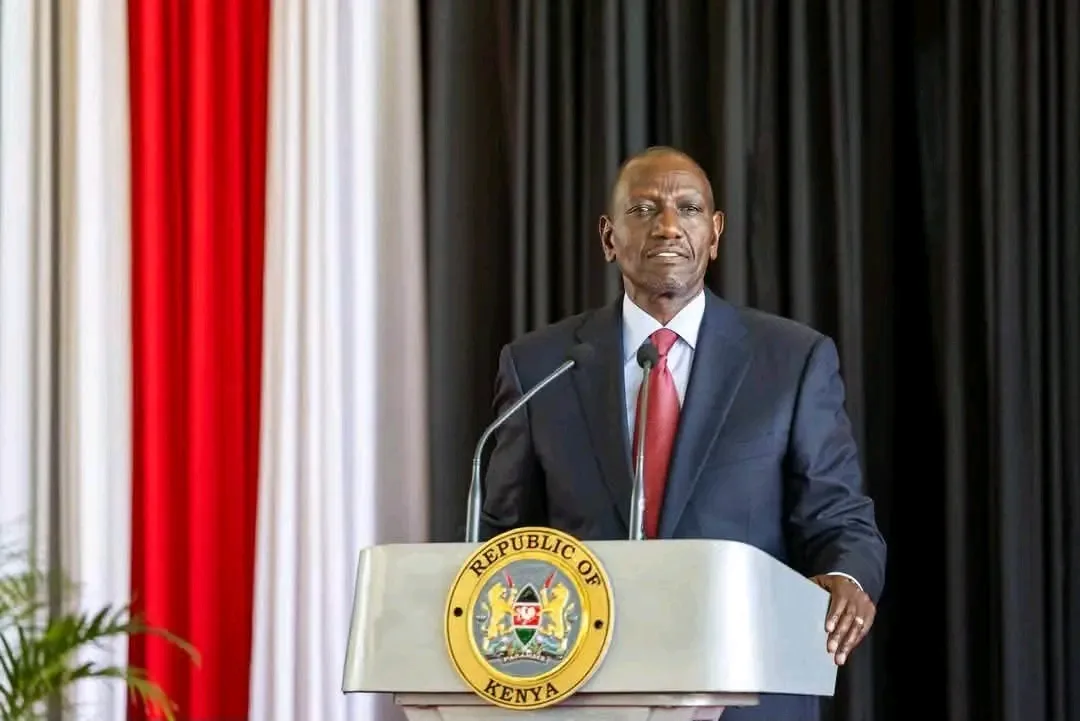
Ruto announced the crackdown after complaints from local traders over increasing competition from foreign nationals in hawking, small-scale retail and other informal businesses.
The President directed authorities to begin administrative enforcement from the week of September 7, with the government also reviewing how foreigners obtain permits to operate businesses in Kenya.
The government has, however, stressed that the measures are aimed at foreigners operating outside the law and are not a blanket ban on foreign investment.
Trade and Investments Cabinet Secretary Lee Kinyanjui clarified on Sunday that visa-free entry into Kenya does not automatically give a foreign national the right to work, trade or operate a business.
Kinyanjui said the government had identified cases where foreigners were allegedly using tourist or investor status to engage in activities outside the terms of their immigration status.
What the government says about work permits
Kenya's immigration framework already requires foreign nationals engaging in employment or business activities to obtain the appropriate authorisation.
The Directorate of Immigration Services lists several categories of work permits, including Class D for employment and Class G for specific trade, business or consultancy.
The government also has a specific Class R permit for East African Community nationals, allowing eligible citizens of EAC member states to reside, work, conduct business or trade in Kenya subject to the applicable requirements.
Immigration authorities warn that engaging in business or employment without the requisite permit or pass is an offence.
For foreign nationals seeking to operate a specific business, Kenya's Class G permit requires, among other things, proof of sufficient capital and the necessary licences or approvals.
The official immigration requirements also state that applicants must provide documentary proof of capital of at least US$100,000 for a Class G permit.
Burundi raises concern over treatment of its citizens
The crackdown has also triggered concern from Burundi, with officials urging Kenya to ensure that its nationals are treated with dignity and in accordance with the law.
Burundi's Foreign Minister Édouard Bizimana has raised concerns about reports of Burundian nationals being mistreated in Kenya amid the enforcement campaign.
Bizimana has said Burundi respects Kenya's sovereign right to regulate trade but insisted that enforcement should respect the rights and dignity of Burundian citizens.
Burundi's government has also said it has received testimonies and images concerning alleged mistreatment of Burundians in Kenya and other countries in the region.
The developments have therefore added a diplomatic dimension to Kenya's crackdown, particularly because Kenya and Burundi are members of the East African Community.
Embassy begins Laissez-Passer exercise
The Burundi Embassy's decision to facilitate Laissez-Passer documents comes at a critical moment for nationals who may wish to return home.
A notice from the embassy said the travel-document exercise would begin on September 7, 2026.
The embassy has set specific processing hours and indicated that applicants must observe the stated deadlines. Documents submitted on one day are not available for same-day collection, according to the notice.
The embassy's official information confirms that the Laissez-Passer serves as a travel document for Burundian nationals travelling to other EAC countries, including Kenya, Rwanda, Uganda, Tanzania and South Sudan.
What happens next?
The immediate question is how aggressively Kenyan authorities will enforce the directive and how many foreign nationals will be affected.
The government has maintained that Kenya remains open to legitimate foreign investment but wants to prevent foreigners from taking over small-scale economic activities that provide livelihoods for Kenyan citizens.
For Burundian traders and other foreign nationals already operating businesses in Nairobi, the coming days could therefore determine whether they regularise their status, change their business activities or leave the country.
The rush to the Burundi Embassy and cyber cafés in Nairobi offers an early glimpse of the impact of the new policy on foreign nationals living and working in Kenya.
As enforcement gets underway, attention will now turn to whether the crackdown remains focused on undocumented traders and restricted activities or expands to a wider review of foreign-owned small businesses across the country.
Do you want to be published? E-mail info@thedailywhistle.co.ke or WhatsApp 0721930260



Comments
No approved comments yet.