

Two oil tankers loaded with fuel destined for Kenya have been immobilized in the Strait of Hormuz after drone strikes knocked out their engines, the Energy and Petroleum Regulatory Authority has confirmed.
EPRA Director General Edward Kinyua told the National Assembly's Special Funds Accounts Committee on Monday that the vessels are currently stranded in the strait, with their cargo intact but unable to move.
"There has been escalating tension between Iran and Saudi Arabia and, as a result, two vessels destined for Kenya were hit by drones. Saudi Arabian vessels are being targeted and, in the process, two ships laden with petroleum products destined for Kenya were targeted. Their engines were immobilized," Kinyua told MPs chaired by Migori Woman Rep Fatuma Mohammed.
Kinyua said transferring the petroleum to other vessels will take about 60 days, raising fears of delayed deliveries at a time when pump prices are already up.
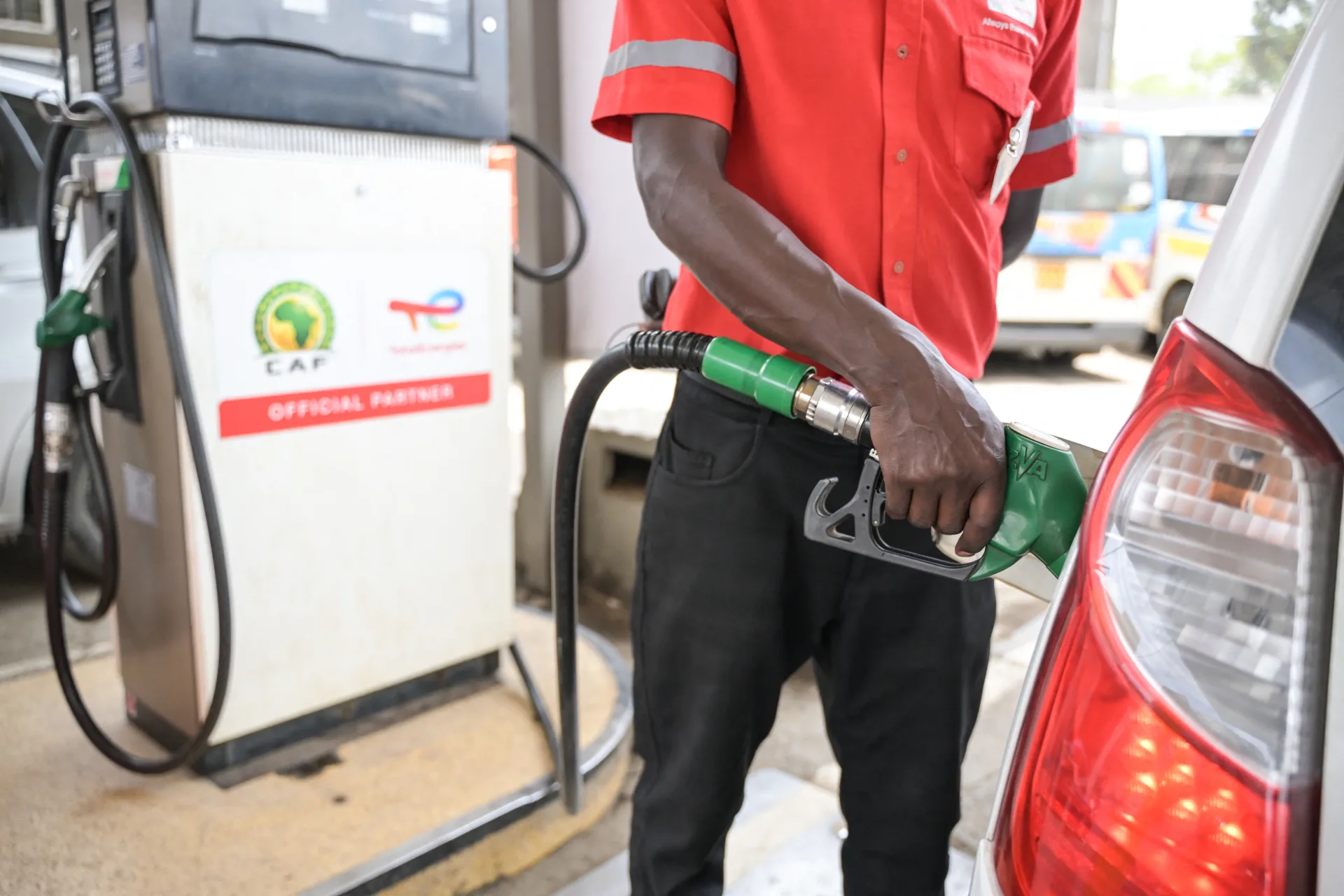
EPRA announced higher fuel prices effective October 15 to November 14 - petrol up 6% in Nairobi, diesel up 4.5%. The Ministry of Energy said the price hike is linked directly to higher freight, insurance and import costs due to the Middle East conflict.
The Strait of Hormuz carries about 20 million barrels of oil per day - a fifth of the world's petroleum. Any attack there pushes oil prices up. Brent crude today traded at $106 per barrel.
Contrary to social media reports that the tankers were sunk, officials said they were not destroyed. The fuel is safe. What was damaged was the propulsion system.
Iran's Revolutionary Guard today also reported that a separate supertanker trying to bypass the strait through an unauthorized southern route hit a naval mine and caught fire in its engine room, further tightening the waterway.


Comments
No approved comments yet.