

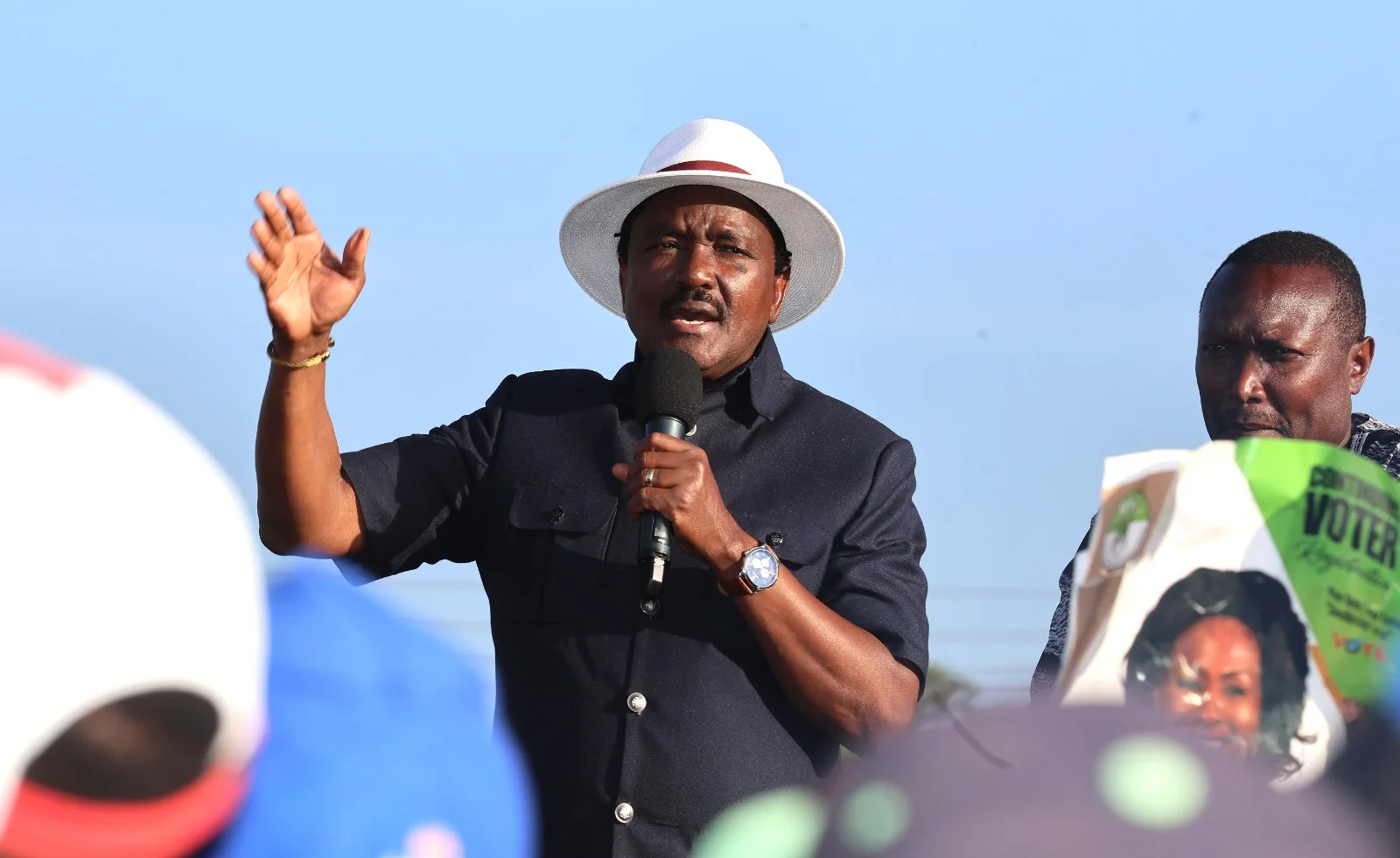
Citizen Digital reported on October 10 that Kalonzo and other opposition leaders had criticised the government’s preparedness during a tour of Mombasa. They called on the United States and other development partners to ensure that funds provided for Kenya’s Ebola response were properly utilised.
Kalonzo’s demand comes as questions emerge over the reported Sh1.9 billion in American assistance intended to strengthen Kenya’s ability to prevent and respond to Ebola. The opposition leader wants greater scrutiny of how the resources are being used to protect Kenyans.
The Standard reported in July that the United States had committed approximately Sh1.9 billion, equivalent to $14.5 million, to support Ebola preparedness in 22 high-risk counties. The assistance was intended to strengthen disease surveillance, laboratory capacity, healthcare worker training, emergency coordination, risk communication and screening at points of entry.
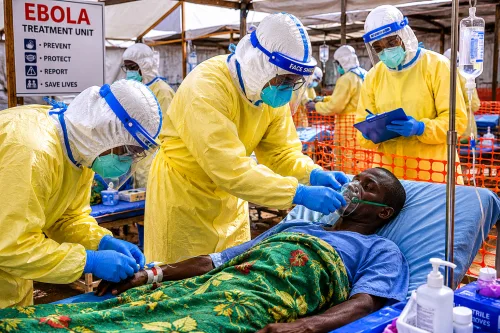
These investments are important because effective preparedness requires more than announcing funding commitments. Health authorities need functioning laboratories, trained personnel, reliable surveillance systems and facilities capable of isolating and treating suspected cases.
However, questions about the management of the funding should not be confused with proof of financial wrongdoing. Establishing whether the money has been properly spent requires verifiable financial records, details of disbursements and evidence of the activities funded.
The Ministry of Health confirmed on October 6 that Kenya had recorded its first imported case of Bundibugyo Ebola virus disease. The patient was a Kenyan citizen who had been living in the Democratic Republic of Congo before travelling through Uganda and arriving in Nairobi on October 3.
According to the ministry, laboratory tests conducted by the National Virology Reference Laboratory and the Kenya Medical Research Institute confirmed the infection. The patient received supportive treatment but subsequently died.
The World Health Organization reported on October 6 that it was working with the Kenyan government to strengthen case investigation, contact tracing, screening at high-risk points of entry and public communication. These measures are intended to identify potential infections and reduce the risk of further transmission.
The imported case has also raised questions about the effectiveness of screening systems used to identify travellers who may be carrying dangerous infectious diseases. Although screening is an important safeguard, it must be supported by accurate health information, prompt medical assessment and effective follow-up.
Reuters reported on October 11 that Kenya had detected no additional Ebola cases after 293 samples were tested. The update provided some reassurance, although continued surveillance and contact tracing remained important to the public health response.
The Ministry of Health also outlined the country’s isolation capacity and contact-tracing efforts following the confirmed infection. Such measures are essential when authorities need to monitor potentially exposed individuals while ensuring that suspected cases receive appropriate medical attention.
Kalonzo’s demand for accountability has therefore brought two issues into focus: the effectiveness of Kenya’s Ebola preparedness and the transparency surrounding international assistance.
A clear explanation of the funding would help distinguish the amount pledged from the money actually received and spent. It would also allow the public to understand which preparedness activities have been completed and what gaps remain.
The government can address the concerns by providing verifiable information about the funds, their intended uses and the activities financed. Such disclosure would help establish whether the assistance is translating into stronger surveillance, improved laboratory services and a more effective emergency response.
For Kenyans, the central issue is whether the resources allocated to Ebola preparedness are strengthening the country’s ability to detect infections early, protect healthcare workers and respond quickly to public health threats.
As scrutiny continues, transparent reporting on the funding and continued communication from health authorities will be important in maintaining public confidence in Kenya’s response.
Comments
No approved comments yet.