

Njoroge's assessment comes shortly after President Ruto renewed his attacks on retired President Kenyatta during a political address in Eldoret, Uasin Gishu County, where he accused his predecessor of sponsoring and financing opposition efforts against his government.
Ruto said the alleged sponsor had failed to deliver on issues including affordable housing, universal healthcare and education, and accused the opposition of being used to challenge his administration. He also argued that leaders should be judged by their track record, agenda and vision.
It was against that backdrop that Njoroge asked why a sitting president was still focusing so heavily on his predecessor.
“Four years later and a sitting president is still ranting about a former president?” Njoroge said.
Her response went beyond politics, however, as she sought to compare the two administrations across healthcare, affordable housing and education.
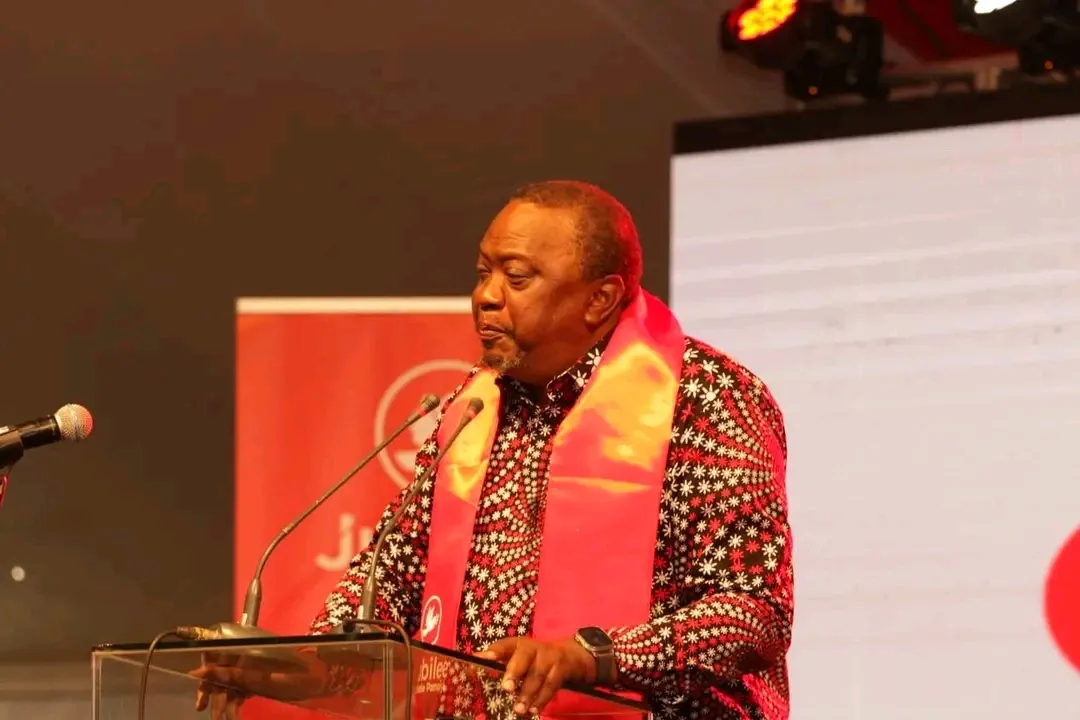
Pauline Njoroge compares Uhuru and Ruto
Njoroge argued that Kenyatta's administration performed better than the current government in several areas, challenging Ruto's criticism of his predecessor.
“NHIF worked better and more efficiently for most Kenyans than SHA. FACT!” she said.
The comparison comes amid a major transformation in Kenya's health financing system, with the Social Health Authority replacing NHIF under the Ruto administration.
Ruto has defended SHA as part of his government's effort to reform healthcare financing and expand access to medical services. His administration has highlighted programmes under SHA, including expanded coverage for vulnerable groups.
Njoroge, however, said the experience of ordinary Kenyans under the previous system should not be dismissed.
“NHIF worked better and more efficiently for most Kenyans than SHA,” she maintained.
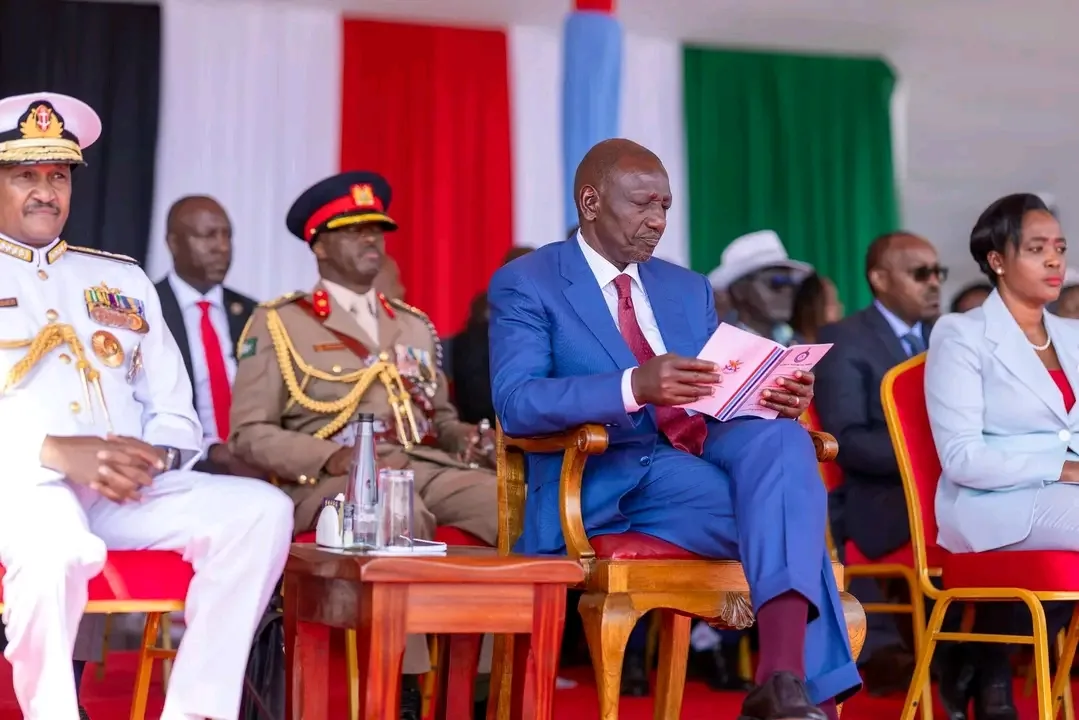
Affordable housing: Uhuru vs Ruto
Njoroge also turned her attention to affordable housing, one of the flagship programmes of the Ruto administration.
President Ruto used his Eldoret address to defend the affordable housing programme, pointing to construction projects and employment opportunities created through the initiative. He also urged young people working on the projects to prepare for additional opportunities as he seeks to continue the programme.
But Njoroge offered a different assessment when comparing Ruto's housing programme with the affordable housing initiative launched during Kenyatta's presidency.
“Uhuru undertook the Affordable Housing project without over burdening workers with punitive taxes. FACT!” she said.
Her argument was that the two administrations should not only be compared on the existence of housing programmes but also on the financial burden placed on workers and taxpayers.
School capitation becomes another battleground
Education formed another major part of Njoroge's comparison.
“Under Uhuru, capitation to schools was almost a double of what it is now. FACT!” she said.
She further argued that the Kenyatta administration made significant progress in ensuring children moved from primary to secondary school.
“Uhuru’s administration almost achieved 100% transition from primary school to secondary school,” Njoroge said.
According to the political strategist, the effort was supported by the national administration, including local government officials tasked with ensuring children remained within the education system.
“And the national administration all the way from the chiefs was committed to enforcing this,” she added.
Njoroge argued that the gains made during that period have since been weakened by funding challenges and the rising cost of living.
“This gain has since been significantly lost due to reduced capitation, high cost of living etc. FACT!” she stated.
Ruto says Uhuru failed on key issues
Njoroge's comparison directly challenges the argument President Ruto advanced in Eldoret.
During his address, Ruto accused the opposition's alleged sponsor of failing to deliver affordable housing, universal health coverage and education during his time in government.
“Alishindwa na maneno ya Affordable Housing? Alishindwa na mambo ya Universal Health Coverage? Alishindwa na maneno ya kusomesha watoto wetu?” Ruto asked, according to reports of his remarks.
The President then accused his political opponents of being sent to compete against his administration, while insisting that they lacked a clear agenda and vision.
Ruto's remarks marked another escalation in his criticism of Kenyatta, with the President accusing his predecessor of supporting opposition forces seeking to undermine his administration ahead of the 2027 General Election.
‘So, what exactly is Ruto saying?’
Njoroge questioned the substance of the President's argument, particularly his continued references to the former Head of State.
“So, what exactly is Ruto saying? What is he saying?” she asked.
Her question forms the centre of her comparison: whether the political conversation should remain focused on what Uhuru Kenyatta did or failed to do between 2013 and 2022, or whether the Ruto administration should increasingly be judged on its own performance after four years in power.
The debate is becoming increasingly significant as Kenya moves towards the 2027 General Election, with Ruto seeking another term and opposition politicians positioning themselves to challenge him.
A battle over the two administrations' records
The emerging political contest is increasingly becoming a battle over competing records.
Ruto has sought to defend his administration by pointing to affordable housing projects, markets, infrastructure and other programmes while arguing that his opponents have failed to offer an alternative agenda.
Critics, however, have increasingly compared those policies with programmes implemented under Kenyatta.
Njoroge's latest intervention is therefore not simply a defence of Uhuru Kenyatta. It is an attempt to shift the political argument towards measurable outcomes — healthcare, education, housing and the cost of living.
Her position is that the former administration should not automatically be blamed for every challenge facing Kenyans under the current government.
‘Rain which has failed to pour blames the wind’
Njoroge concluded her assessment with a Kikuyu proverb aimed at those she believes are shifting blame rather than confronting their own record.
“Anyway, mbura ìtekura ìgwatagia rùhuho,” she said.
She translated the saying as:
“Rain which has failed to pour blames the wind.”
The proverb captures Njoroge's broader criticism of the Ruto administration: that after four years in office, the government should increasingly be judged by what it has delivered rather than by its criticisms of the previous administration.
Her remarks also challenge Ruto's argument that the opposition is being sponsored by Uhuru Kenyatta to destabilise his government.
For Njoroge, the more important question is whether the administration can demonstrate to voters that its policies have produced better outcomes than those of the government it replaced.
The 2027 political battle begins with the past
The exchange between Ruto and Njoroge illustrates how Uhuru Kenyatta's political legacy continues to shape Kenya's politics even after his retirement from the presidency.
Ruto's Eldoret remarks show that the former president remains a significant political reference point for the current administration, while Njoroge's response demonstrates how Kenyatta's record is being used by critics to challenge the government's narrative.
With the 2027 election approaching, the comparison between the Kenyatta and Ruto administrations is likely to become even more intense.
For Njoroge, however, the issue is straightforward.
“Four years later and a sitting president is still ranting about a former president?” she asked.
And her final message was equally pointed:
“Mbura ìtekura ìgwatagia rùhuho.”
Rain which has failed to pour blames the wind.


Comments
No approved comments yet.