

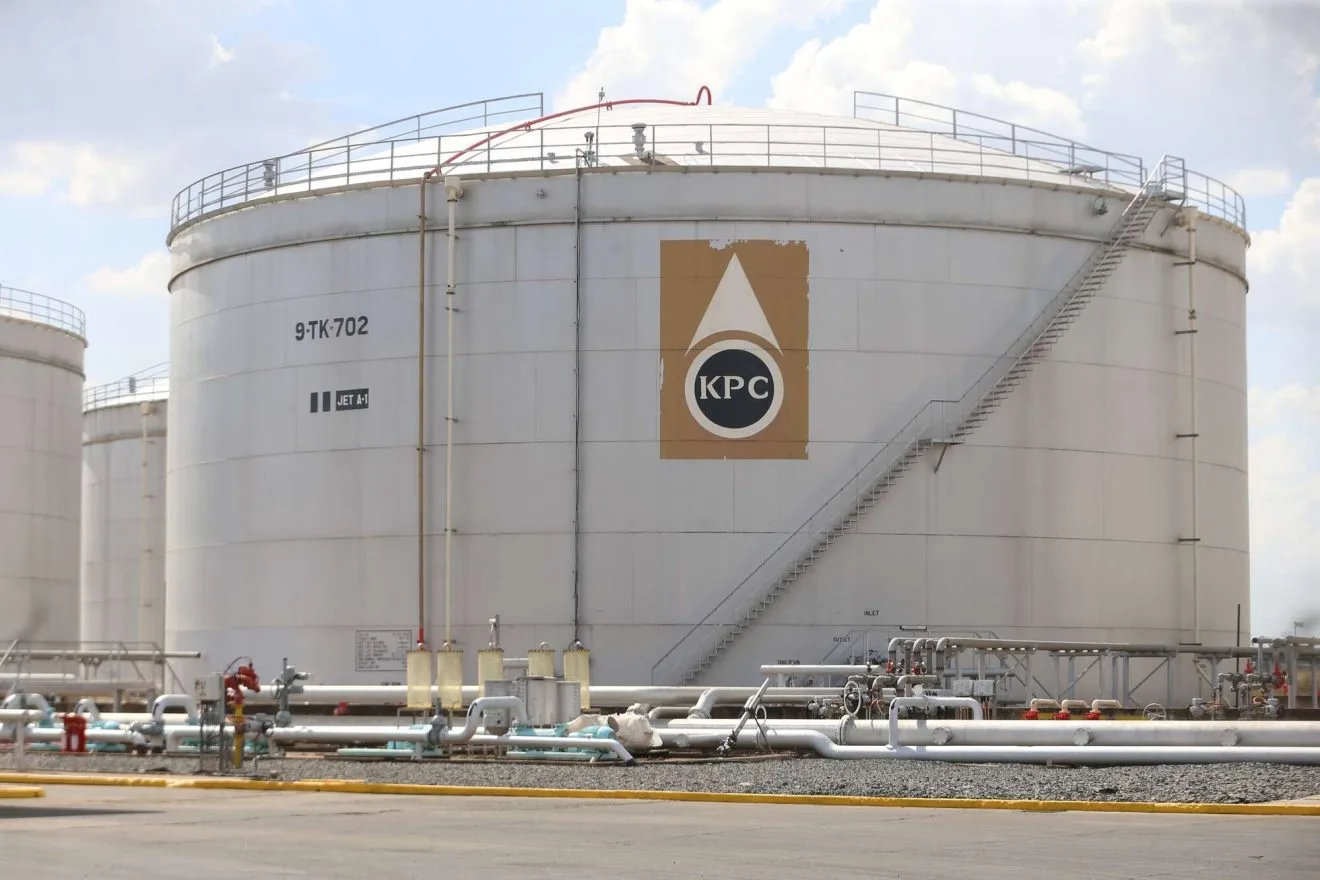
The September 2026 ruling has raised a new question beyond the Safaricom transaction: could other state-asset deals, including the Kenya Pipeline Company (KPC) IPO, face fresh legal scrutiny?
For now, there is no court ruling declaring the KPC IPO unconstitutional, and the Safaricom judgment does not automatically invalidate other government transactions.
However, the decision has put greater attention on how the government sells or restructures public assets to raise money for infrastructure and other state priorities.
Why the Safaricom ruling matters
The High Court declared the government’s divestiture of the 15 per cent Safaricom stake invalid, null and void, dealing a major setback to a transaction that was expected to generate about KSh204.3 billion for the State.
The government had also entered into an arrangement involving future dividend rights attached to its remaining Safaricom shares, taking the overall value associated with the transaction to about KSh245 billion.
The three-judge bench raised constitutional and legal concerns surrounding the transaction, including questions about public participation, disclosure of material information and compliance with applicable laws.
The government has rejected the findings and moved to challenge the decision at the Court of Appeal.
Vodacom Group has also said it will appeal the judgment, setting the stage for a potentially lengthy legal battle over the transaction.
The KSh5 trillion infrastructure plan
The Safaricom transaction was part of President Ruto’s broader strategy to mobilise financing for major infrastructure projects without relying entirely on conventional taxation and government borrowing.
At the centre of that strategy is the National Infrastructure Fund (NIF), which is intended to attract additional financing from institutional investors, pension funds, banks and private-sector partners.
The government has targeted approximately KSh5 trillion in financing through the fund for infrastructure projects over several years.
The Safaricom proceeds were expected to form a significant portion of the fund’s initial capital.
The loss of that expected capital, at least while the court battle continues, creates a financing question for the administration as it seeks to implement its infrastructure programme.
What about Kenya Pipeline Company?
This is where the Safaricom ruling could have wider significance.
Earlier, the government raised approximately KSh106.3 billion through the initial public offering of Kenya Pipeline Company.
The KPC proceeds were subsequently channelled into the National Infrastructure Fund, making the company’s privatisation an important component of the government’s infrastructure-financing strategy.
Together, the reported KPC and Safaricom proceeds had provided the NIF with more than KSh310 billion in initial capital.
That connection means the two transactions are now likely to attract greater public and legal attention.
But there is an important distinction.
The High Court has not declared the KPC IPO unconstitutional.
The Safaricom judgment was concerned with the specific transaction before the court and the constitutional, statutory and procedural issues the judges identified in that case.
For a court to overturn the KPC IPO, a separate legal challenge would have to be brought and determined on its own facts and applicable law.
Could KPC face a legal challenge?
The possibility cannot simply be ruled out.
The Safaricom decision could give potential petitioners an opportunity to examine other state-asset transactions and ask whether similar constitutional or statutory requirements were followed.
Such a challenge, however, would not automatically succeed merely because the Safaricom transaction was nullified.
The legal question would depend on the structure of the KPC IPO, the laws governing the transaction, the approvals obtained, the public participation process and any other evidence presented before a court.
That makes the future of KPC an issue to watch rather than a transaction that can currently be described as being in legal jeopardy.
What happens to the infrastructure fund?
The immediate financial question is what happens if the Safaricom transaction remains invalid after the appeals process.
The government had expected proceeds from state-asset transactions to provide the NIF with a foundation from which it could attract significantly larger amounts of private and institutional capital.
If the Safaricom proceeds remain unavailable, Treasury could have to consider alternative financing arrangements or adjust the pace and scale of some projects.
Those alternatives could include public-private partnerships, institutional investment, borrowing or other financing mechanisms.
It would therefore be premature to conclude that the High Court decision will automatically result in higher taxes, increased fuel prices or cancellation of infrastructure projects.
Any such consequences would depend on the government's eventual financing decisions.
Why the KPC question matters to Kenyans
KPC occupies a strategically important position in Kenya’s economy because of its role in the storage and transportation of petroleum products.
The company’s IPO was therefore not simply another government share sale. It was part of a wider attempt to unlock value from state assets and redirect capital towards development projects.
The Safaricom judgment has now placed that broader strategy under a brighter spotlight.
The central question is no longer only whether the government can complete the Safaricom transaction.
It is also whether Kenya’s wider state-asset privatisation programme can withstand legal scrutiny while the government seeks to use proceeds from those transactions to finance major infrastructure investments.
Treasury and Vodacom head to the Court of Appeal
For now, the Safaricom transaction remains the immediate battleground.
Treasury is challenging the High Court judgment, while Vodacom is also pursuing an appeal.
The outcome will be closely watched because it could determine whether the government can proceed with the Safaricom transaction and recover the expected capital for the National Infrastructure Fund.
For KPC, no similar court order currently exists.
But the Safaricom case has created a new legal and policy question that could follow Kenya’s privatisation programme for some time:
If one major state-asset transaction is found to have failed constitutional and legal requirements, will other government asset sales face fresh scrutiny?
That question could become increasingly important as President Ruto’s administration seeks to mobilise the KSh5 trillion targeted for infrastructure while operating under tight fiscal constraints.
Do you want to be published? E-mail info@thedailywhistle.co.ke or WhatsApp 0721930260
Comments
No approved comments yet.