

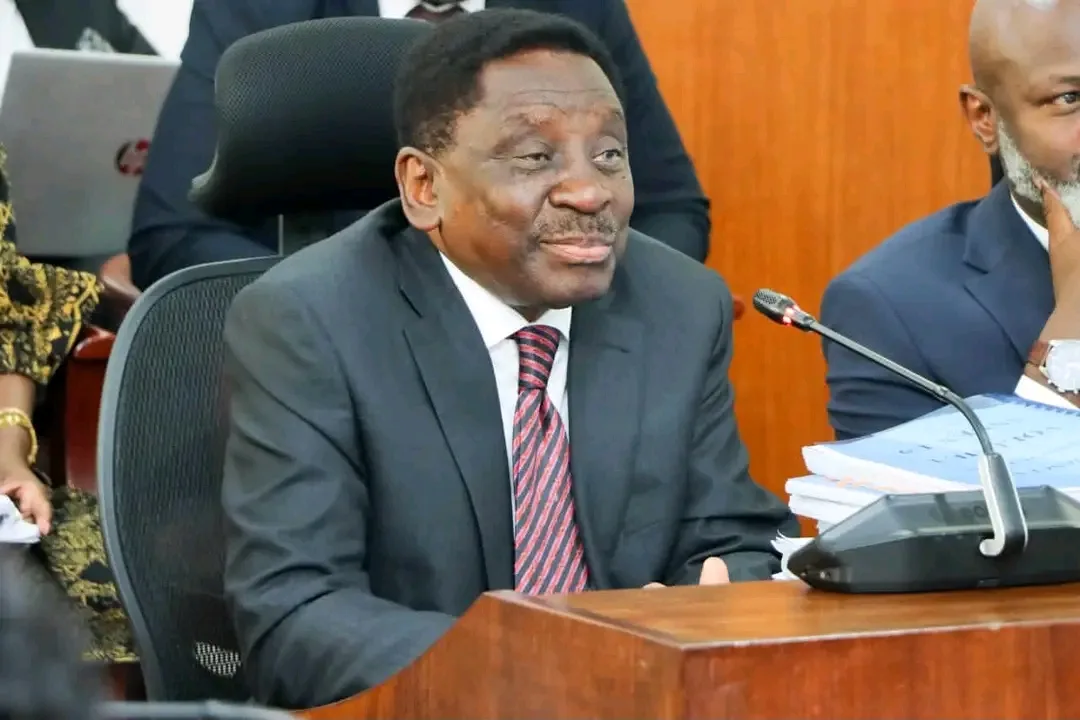
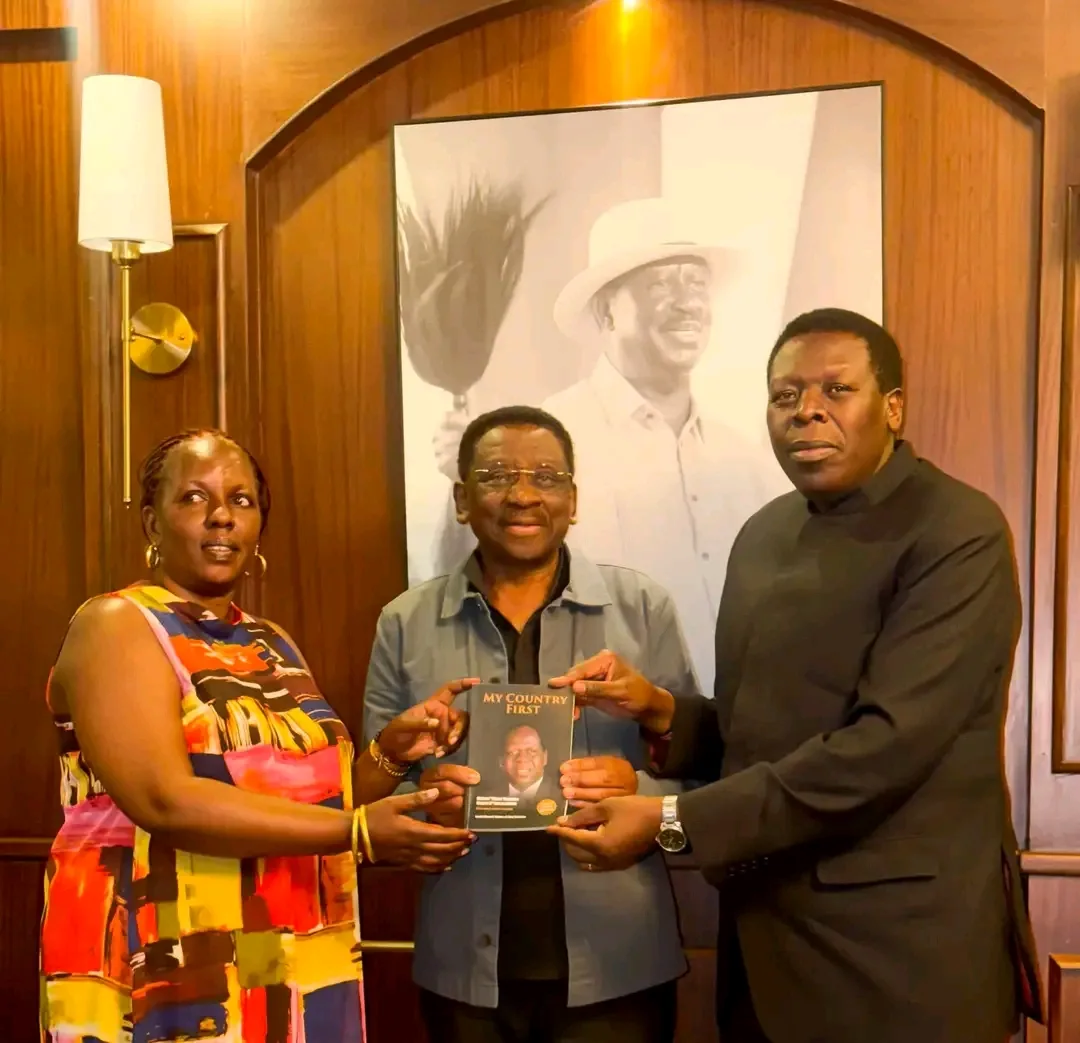
Orengo made the remarks after receiving My Country First, a tribute dedicated to Wamalwa, Kenya’s eighth Vice President.
The veteran politician reflected on his long association with Wamalwa, recalling the political struggles they shared during Kenya’s Second Liberation and the events that eventually transformed the country’s political landscape.
Orengo said he was “humbled and deeply moved” to receive the tribute to his late comrade, whose political career was closely associated with the struggle for democratic reforms and multiparty politics in Kenya.
“Reflecting on our early days together in the trenches of the Second Liberation, from the principled battles within original FORD to the historic moments of the NARC revolution, reminds me of the sheer brilliance, grace, and unwavering patriotism Michael brought to Kenyan politics,” Orengo said.
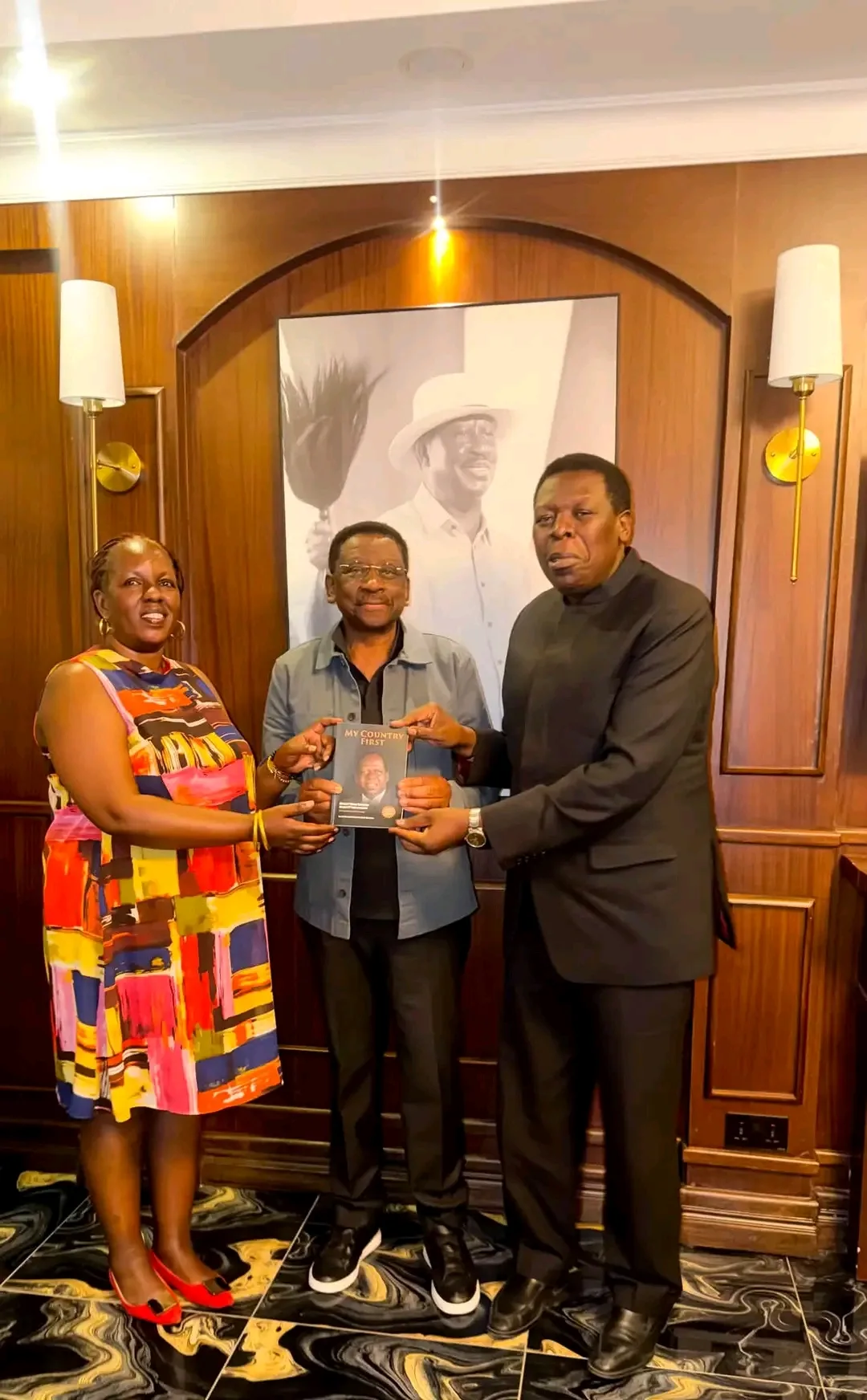
Orengo recalls Wamalwa’s role in Kenya’s Second Liberation
The Siaya governor said his political journey with Wamalwa stretched back to the early days of the struggle for political reforms, when opposition leaders were pushing for greater democratic space under the one-party system.
Wamalwa emerged as one of the prominent figures in Kenya’s opposition movement and was involved in the political realignments that shaped the country’s transition to multiparty democracy.
For Orengo, Wamalwa’s contribution went beyond electoral politics.
He remembered him as a politician whose intellect, eloquence and ability to bring people together made him stand out during some of Kenya’s most significant political moments.
“He was a master of political eloquence, a true intellectual giant, and a unifying statesman who always put the nation above self,” Orengo said.
Wamalwa and the NARC revolution
Orengo also reflected on the historic political events surrounding the formation of the National Rainbow Coalition (NARC), which brought together several opposition parties ahead of the 2002 General Election.
The NARC coalition defeated KANU in the 2002 presidential election, bringing Mwai Kibaki to power after decades of KANU rule.
Wamalwa became Kenya’s eighth Vice President in the new administration, marking the culmination of a political journey that had seen him rise from the opposition ranks to one of the country's highest offices.
His tenure as Vice President was, however, brief.
Wamalwa died in London in January 2003 while undergoing treatment, only months after the NARC government took office.
Michael Wamalwa’s enduring legacy
More than two decades after his death, Wamalwa remains an important figure in Kenya’s political history, particularly among leaders who participated in the Second Liberation and the political transition of 2002.
Orengo’s latest tribute highlights the qualities he believes defined Wamalwa’s public life — patriotism, political eloquence, intellectual strength and a commitment to national unity.
By describing Wamalwa as a statesman who “always put the nation above self,” Orengo also placed his legacy within the broader struggle for a more democratic and united Kenya.
The tribute comes as political leaders and Kenyans continue to reflect on the contribution of a generation of politicians who played a central role in shaping the country's multiparty democratic era.
Do you want to be published? E-mail info@thedailywhistle.co.ke or WhatsApp 0721930260
Comments
No approved comments yet.