

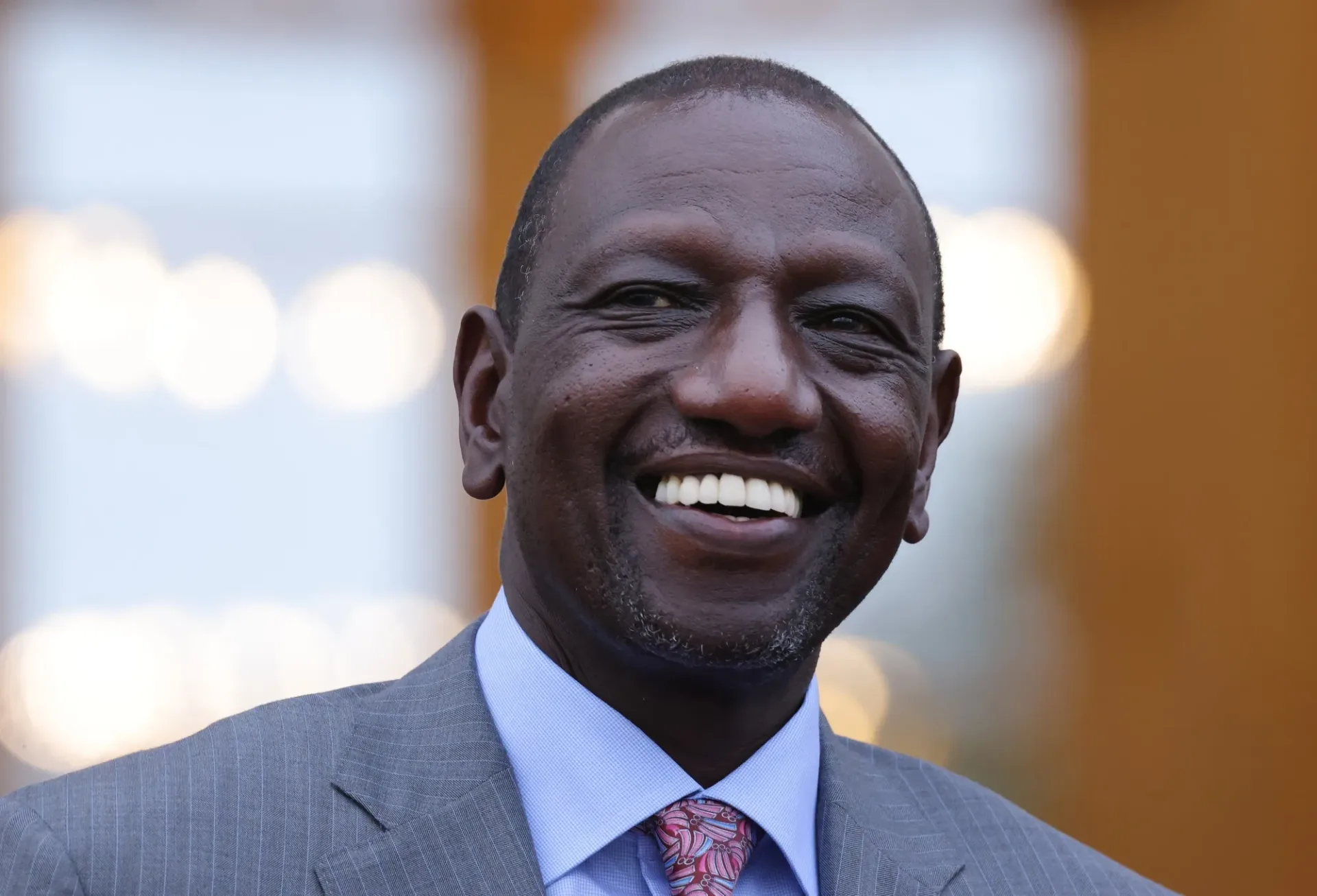
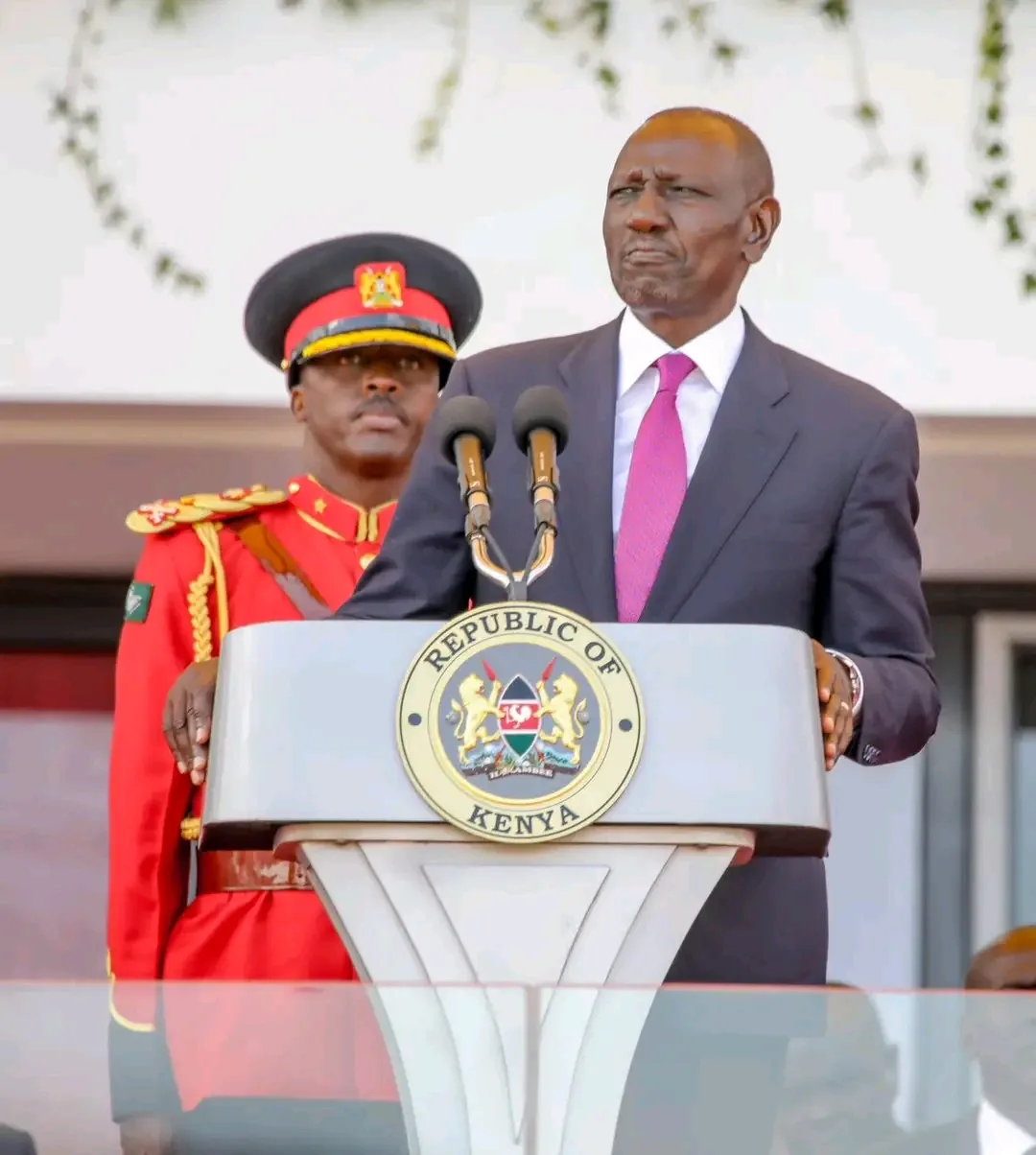
The announcement was made on Tuesday, October 20, 2026, during the 63rd Mashujaa Day celebrations at Kipchoge Keino Stadium in Eldoret, Uasin Gishu County.
According to The Star, Ruto said national milk production had increased by one billion litres, while the price paid to farmers had risen from KSh35 to KSh60 per litre.
The President announced that the new rate of KSh65 per litre would take effect in October, with an additional KSh2 per litre bonus to be paid quarterly.
People Daily reported that the new payment structure is part of the government's efforts to improve returns for dairy farmers amid concerns over milk availability and rising prices.
The announcement is particularly significant for farmers in the North Rift region, where dairy farming provides income for thousands of households and supports milk collection, transportation and processing businesses.
According to the Kenya National Bureau of Statistics (KNBS) Economic Survey 2026, Kenya's fresh milk production increased by 3.5 per cent to 5.5 billion litres in 2025.
The report also showed that marketed milk production rose by 11.5 per cent to approximately one billion litres, compared with 909 million litres recorded in 2024.
The figures point to an expansion in national milk production and the volume entering formal markets, although increased production does not automatically guarantee consistent supplies in every region.
Kenyans.co.ke reported that the new farmgate price announcement comes amid a milk shortage that has affected availability and contributed to concerns over retail prices.
The situation highlights the importance of ensuring that higher payments to farmers are accompanied by efficient milk collection, processing and distribution so that increased production benefits both producers and consumers.
The Eastleigh Voice, in its coverage of the President's Mashujaa Day speech, reported that Ruto also highlighted government interventions aimed at improving livestock productivity.
These include increasing annual artificial insemination services from 900,000 to 1.28 million and reducing the cost of sexed semen from KSh8,000 to KSh1,400.
The President also said the government had vaccinated more than 22 million livestock as part of efforts to strengthen animal health and improve agricultural production.
Tuko.co.ke also reported on the new milk payment arrangement, highlighting the KSh65-per-litre rate and the additional quarterly bonus as key measures announced during the national celebrations.
Ruto linked the dairy sector's progress to the role played by New Kenya Cooperative Creameries (New KCC), which collects and processes milk from farmers.
He said the government planned to decentralise New KCC's operations by establishing regional factories, a move intended to strengthen milk processing and bring services closer to producers.
The proposed changes could have implications for farmers who depend on reliable collection services and timely payments for their milk deliveries.
However, the effectiveness of the new payment structure will depend on its implementation, the consistency of payments and whether farmers can maintain profitable production as the cost of animal feeds, veterinary services and other farm inputs changes.
For consumers, the central question is whether increased production and improved support for dairy farmers will translate into more reliable milk supplies and affordable prices.
As Kenya's dairy industry continues to expand, the government's latest announcement places renewed attention on the relationship between farmgate prices, production costs and the price consumers ultimately pay.
Comments
No approved comments yet.