

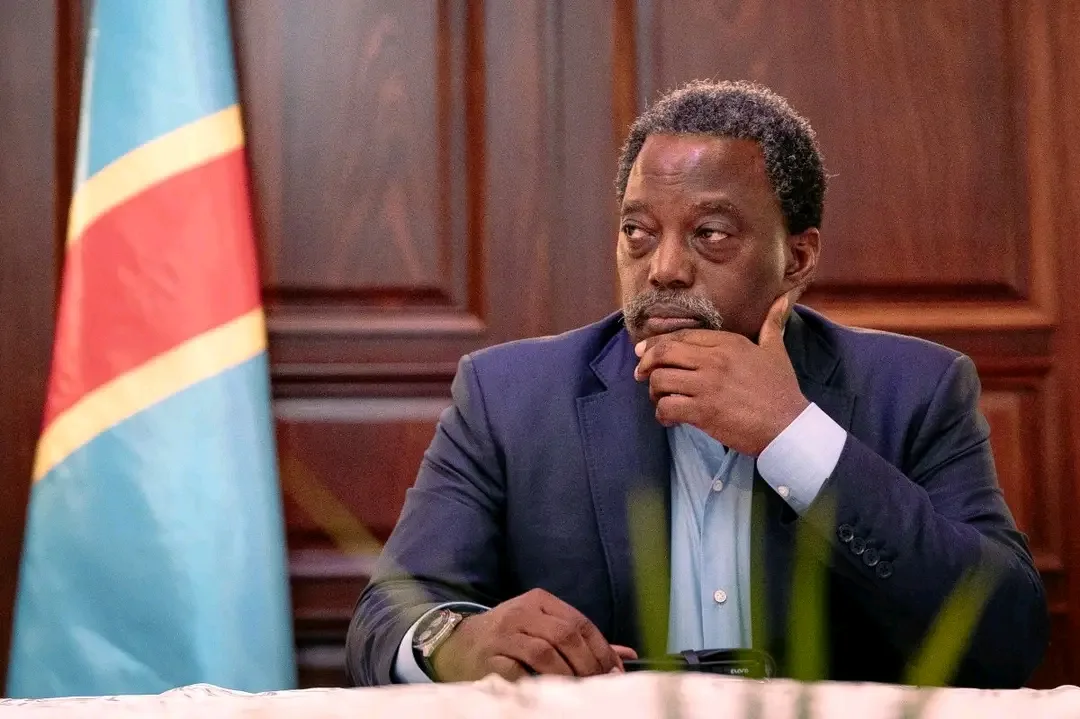
Kabila on Monday, October 12, 2026, announced the formation of the Front for the Refoundation of the Nation (FRN), a political and military coalition that includes the M23 rebel movement and its political allies.
The development marks a new phase in the conflict against the government of President Félix Tshisekedi and could complicate diplomatic efforts to restore peace in the mineral-rich country.
For Kenya, the biggest concern is whether renewed fighting will disrupt trade with one of East Africa’s important commercial markets, increase transport costs and create wider economic and security challenges across the region.
Although the announcement does not automatically mean Kenyans will pay more for fuel or food, a further escalation could have consequences for businesses and consumers.
1. Kenyan Traders Could Face Business Disruptions
One of the most immediate areas of concern is cross-border trade.
Kenyan businesses export goods to the Democratic Republic of Congo, while regional traders rely on transport networks connecting East African markets to Congolese cities.
Previous reporting by The EastAfrican documented how the M23 conflict disrupted regional commerce, with exporters facing uncertainty over transport routes, border operations and security.
In August 2025, The EastAfrican reported that fighting in eastern Congo was slowing Kenyan and Ugandan exports as traders sought safer routes and faced additional logistical challenges.
If Kabila’s new coalition triggers further fighting, businesses dealing in consumer goods and other merchandise could face delays, increased transport expenses and difficulties reaching customers.
Small traders could be particularly exposed because additional costs may reduce their profit margins or make their products less competitive.
However, the scale of any new disruption will depend on the areas affected by fighting and whether major trade routes remain operational.
2. Could Fuel Prices Rise in Kenya?
The conflict could also raise concerns about fuel prices, although any effect would be indirect rather than automatic.
Kenya depends heavily on imported petroleum products, meaning domestic pump prices are influenced by international oil prices, the exchange rate, import costs and other pricing factors.
If the fighting expands into a wider regional crisis or contributes to international market uncertainty, transport and insurance expenses could increase.
Such developments could eventually affect the cost of moving goods within Kenya.
However, there is currently no basis to conclude that Kabila’s announcement alone will cause petrol or diesel prices to increase.
For Kenyan motorists and households, international oil-market movements and domestic fuel-pricing factors remain more direct indicators to watch.
3. Food Prices and the Cost of Living
Kenyan consumers could face indirect pressure if the conflict disrupts regional supply chains.
When transport routes become unsafe or inaccessible, traders may have to use longer routes, increasing fuel consumption, delivery times and operating expenses.
Businesses may then pass some of those additional costs on to consumers.
The potential consequences extend beyond food to construction materials, manufactured products and other goods transported through affected trade networks.
Nevertheless, the impact would depend on the duration and geographical spread of the fighting.
A limited escalation in eastern Congo would not necessarily produce noticeable changes in prices in Nairobi, Mombasa, Kisumu or other Kenyan towns.
4. Kenyan Businesses Could Lose Access to a Major Regional Market
The Democratic Republic of Congo represents an important commercial opportunity for East African businesses seeking customers beyond their domestic markets.
Data reported by The EastAfrican in February 2025 showed that Kenya, Uganda and Rwanda collectively exported more than $2.9 billion worth of goods to DR Congo during the 33 months ending September 2024.
Kenya accounted for 15.4 per cent of the Congolese market in the reported regional comparison.
These figures illustrate why instability in Congo matters to businesses operating across East Africa.
A prolonged conflict could discourage investment, disrupt distribution networks and weaken demand in affected areas.
Kenyan exporters, transport companies and other firms serving Congolese customers could therefore face commercial uncertainty if the security situation deteriorates.
On the other hand, a lasting peace could help restore confidence, improve transport reliability and create opportunities for Kenyan companies to expand their regional operations.
5. Kenya Could Face Greater Regional Security and Diplomatic Pressure
The conflict also presents a diplomatic challenge for Kenya and other East African countries.
Kenya has participated in regional efforts to address the crisis in eastern Congo, where fighting has caused civilian deaths, displacement and prolonged humanitarian suffering.
Kabila’s decision to lead a coalition incorporating M23-linked groups could make negotiations more complicated by introducing a new political and military structure into the conflict.
The coalition has declared its intention to unite opposition forces against Tshisekedi’s government, including through the use of force.
The development raises questions about whether diplomatic initiatives can secure a lasting ceasefire and whether the conflict could spread further.
For Kenya, prolonged instability in a neighbouring regional market could demand additional diplomatic engagement and coordination with other East African governments.
An escalation could also create greater humanitarian needs, although any direct effect on Kenya would depend on developments on the ground and the movement of displaced people.
Why Kabila’s Alliance Matters
Kabila ruled DR Congo from 2001 to 2019 before leaving office following the 2018 presidential election, which Tshisekedi won.
The former president has since become an increasingly prominent critic of the current administration, accusing it of poor governance and failures in handling insecurity in eastern Congo.
Congolese authorities have accused Kabila of supporting the rebellion, allegations he has denied.
In September 2025, a Congolese military court sentenced him to death in absentia after convicting him on charges including treason and war crimes linked to alleged support for the rebellion. Kabila has rejected the proceedings as politically motivated.
His decision to head the new coalition represents a more direct public role in the conflict, according to Reuters and the Associated Press.
The move comes as diplomatic efforts to end the fighting continue, with concerns that a broader alliance could complicate negotiations.
What Kenyans Should Watch Next
The economic consequences for Kenya will depend on how the situation develops in the coming weeks.
Three developments will be particularly important.
First, traders and businesses will need to monitor whether fighting disrupts major transport corridors and commercial activity in eastern Congo.
Second, Kenyan consumers should watch international oil prices, exchange-rate movements and domestic fuel-pricing decisions rather than assume that the conflict will automatically increase pump prices.
Third, regional governments will need to assess whether the new coalition changes the prospects for peace negotiations or increases the risk of a wider security crisis.
A prolonged conflict could damage trade and investment opportunities, while a credible peace agreement could help restore commercial confidence.
Will Kenyans Feel the Impact Immediately?
There is no evidence that Kabila’s announcement alone will immediately increase the cost of living in Kenya or create a direct security threat to the country.
The more immediate concern is the potential for further disruption to businesses operating in and around eastern Congo.
If the conflict intensifies and trade routes are affected, Kenyan exporters, transporters and traders could face higher costs and reduced access to customers.
For households, any effect on prices would depend on whether those disruptions spread through supply chains and translate into higher costs for goods and services.
The key question is therefore not simply whether Kabila has joined forces with M23, but whether the new coalition will prolong the conflict and deepen the economic disruption affecting the wider East African region.


Comments
No approved comments yet.