

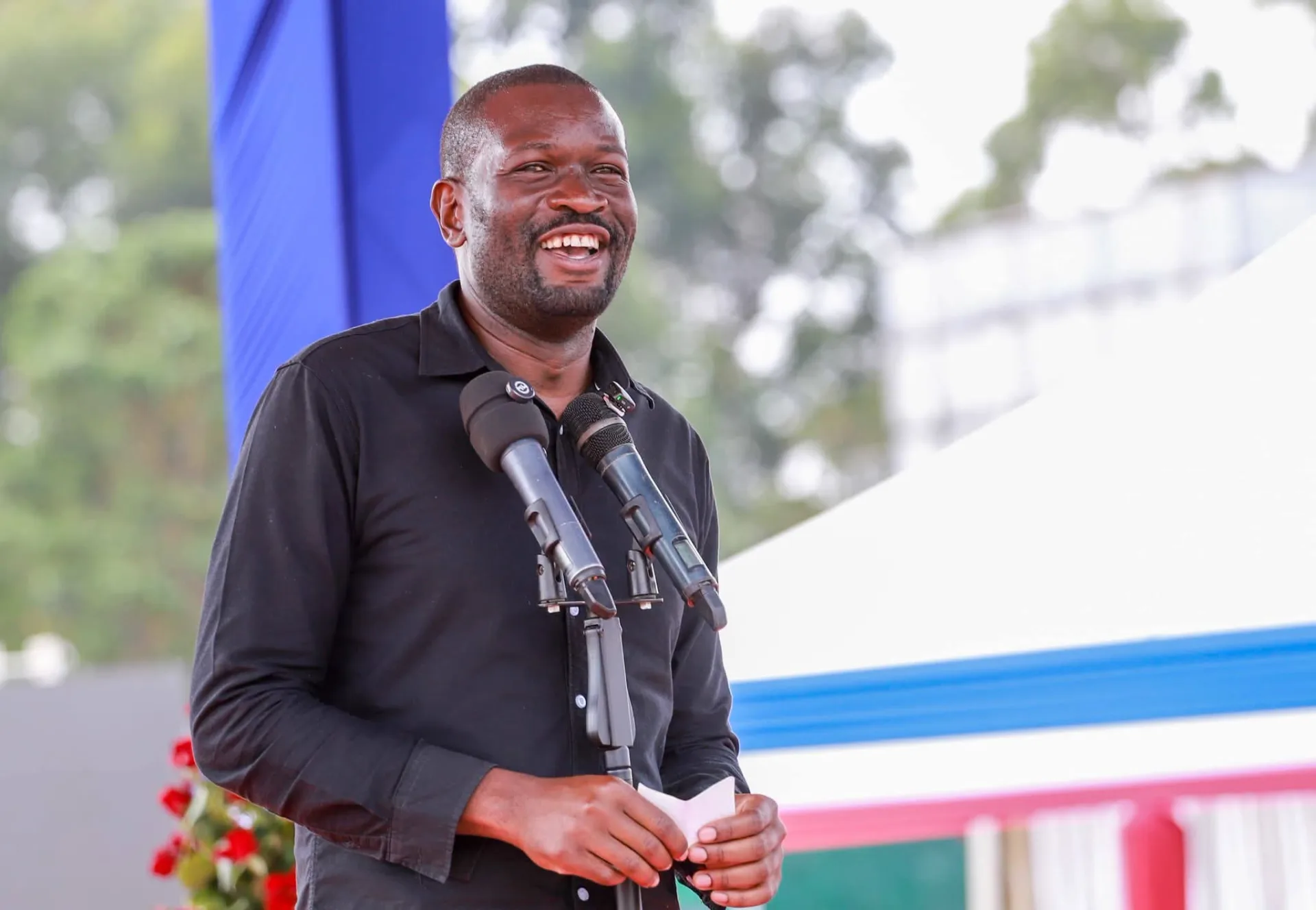
The President’s latest remarks underscore the growing political confrontation between his administration and opposition figures seeking to build a united campaign ahead of next year’s General Election.
Speaking in Sigor, West Pokot County, on Friday, October 16, Ruto dismissed his rivals’ criticism of the government, accusing them of relying on political hostility instead of presenting an alternative development agenda.
“Those other people who are being led by Mr Empty, Mr River Yala and Mr 40 have no plan. They have no agenda. They have no programme. They have no vision,” Ruto said, using nicknames to refer to his political opponents.
The President argued that Kenyans should judge political leaders by their proposed solutions to the country’s challenges rather than their attacks on the government.
“All they are trying to sell to us is hate, anger, ethnicity and division,” he said.
Ruto also defended his administration’s development record, citing infrastructure projects, affordable housing and markets as evidence of his government’s commitment to improving livelihoods.
“There are some people with little minds. They are saying this market is a shiny thing. That road is a shiny thing. That affordable housing is a shiny thing,” the President said.
He maintained that development should reach all parts of the country, defending his administration against accusations that some projects are being used primarily for political gain.
“Every part of Kenya must be part of development,” Ruto said.
The remarks come as political alignments begin to take shape ahead of the 2027 presidential contest, with opposition leaders exploring cooperation to challenge the incumbent.
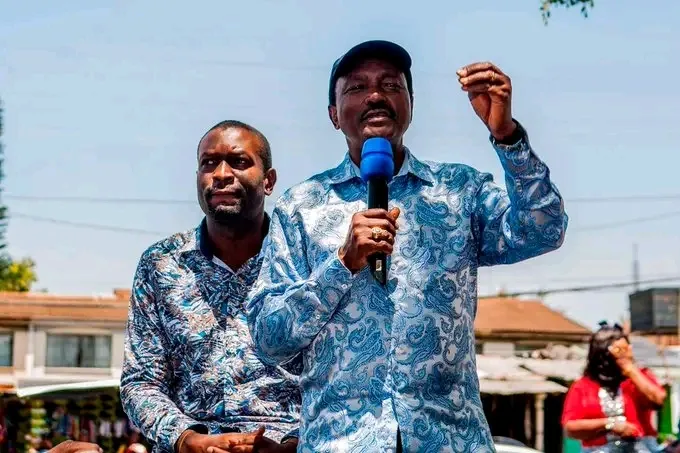
Sifuna, Kalonzo Push Opposition Unity
Nairobi Senator Edwin Sifuna and Wiper leader Kalonzo Musyoka have been among the opposition figures engaging in discussions about working together ahead of the next election.
Following a meeting with Kalonzo in September, Sifuna said the leaders recognised the need for a united front against the government.
“We are in agreement that all of us who mean well must work together to save our country from this ‘mambo matatu’ regime and restore our constitutional democracy. Whatever it takes,” Sifuna said.
The discussions have added momentum to efforts to coordinate opposition leaders, although major questions remain over the presidential candidate, coalition structure and policy agenda.
The emerging political contest is also unfolding alongside the Linda Mwananchi movement and other formations seeking to mobilise voters dissatisfied with the government.
For the opposition, the challenge will be to turn political criticism into a coherent national campaign addressing employment, taxation, corruption, public services and the cost of living.
Ruto, meanwhile, faces the task of persuading voters that his administration’s development programme and economic policies justify another term.
The competing messages are likely to feature prominently as politicians intensify mobilisation across the country in the months leading to the 2027 election.
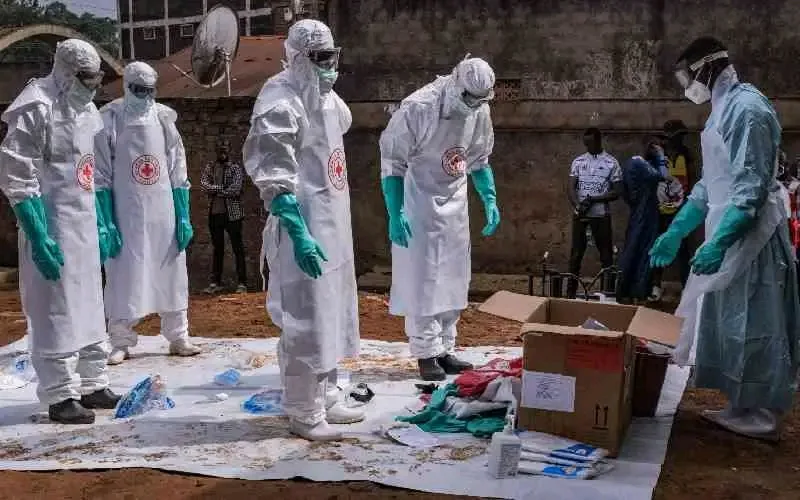
Kenya Ebola Cases Rise to Seven as Three Healthcare Workers Test Positive
Kenya has confirmed four additional cases of Bundibugyo virus disease, bringing the country’s total number of confirmed Ebola infections to seven.
The latest cases include three healthcare workers who attended to the first confirmed patient and a close relative of the initial case.
The development has heightened concern over the possibility of further transmission, particularly among people who had contact with infected patients.
Health authorities have been conducting contact tracing and monitoring people who may have been exposed to the virus.
The Ministry of Health has urged the public to follow official guidance and seek medical attention if they suspect exposure or develop symptoms consistent with the disease.
The Bundibugyo strain is particularly challenging because there are no approved vaccines or specific treatments for it.
The latest infections place pressure on health officials to maintain surveillance, identify contacts quickly and prevent the outbreak from spreading into the wider community.
The Ministry of Health remains the primary source for updated case figures, public health measures and guidance for members of the public.
Kindiki Warns Contractors Over Sh35 Billion Road Projects
Deputy President Kithure Kindiki has warned contractors against delaying government projects or delivering work that fails to meet required standards.
The warning comes as the government pushes infrastructure development across Tharaka-Nithi County, where several road projects have been earmarked for upgrading.
“I cannot allow contractors who have been paid by the government only to do shoddy jobs,” Kindiki said.
The Deputy President also said contractors had been instructed to complete assigned works without unnecessary delays.
“The contractor is under firm instructions to do the job without unnecessary delays,” he said.
The government has committed billions of shillings to road development in the county, with the projects expected to improve transport links, access to markets and movement of goods.
Kindiki’s warning places renewed attention on project implementation and the need to ensure public money produces completed infrastructure rather than stalled construction sites.
The progress of the projects will be an important measure of the government’s development commitments, particularly in rural areas where roads can influence access to schools, hospitals and markets.
Kenya Seeks Additional External Financing, Says CBK Governor
Kenya is pursuing additional external financing from multilateral lenders as the government works to meet its budgetary requirements.
Central Bank of Kenya Governor Kamau Thugge has said discussions are under way with institutions including the World Bank and the African Development Bank.
“They are looking at all kinds of financing... there’s quite a number of sources that they are trying to access,” Thugge told Reuters on the sidelines of international financial meetings.
He said the financing could be secured before the end of the current financial year.
“Between now and June of next year is when that external financing will be expected,” he said.
The discussions reportedly include possible World Bank budget support and a debt-for-food swap.
Thugge said a new financing programme with the International Monetary Fund was not currently included in the government’s plans, although additional IMF support could offer financial advantages if it became available.
“The IMF funding is not in any of our planning. But obviously, were it to come in, it would help in several ways,” he said.
He added that concessional financing could be cheaper than domestic borrowing and could help ease pressure on local credit markets.
“It’s cheaper than the alternative financing, especially domestic financing,” Thugge said.
The financing discussions come as the government balances development spending, debt obligations and pressure to manage the cost of living.
The eventual impact on Kenyans will depend on the terms of the financing, how the funds are spent and whether they support sustainable economic growth.
What the Latest Developments Mean for Kenya
The latest developments highlight three major issues likely to shape public debate in the months ahead: the contest for political power, the management of public health risks and the government’s handling of public finances.
Ruto’s attacks on the opposition demonstrate how the 2027 campaign is already influencing political messaging, even as leaders continue to negotiate alliances and possible coalition arrangements.
The Ebola outbreak, meanwhile, places the health system under pressure to contain infections and keep the public informed through timely, accurate updates.
On the economic front, the government’s search for additional financing raises questions about debt management, public spending and the extent to which borrowed funds will translate into tangible improvements in people’s lives.
As the country moves towards the next election, voters will be watching not only what politicians promise but also what they deliver.
The Daily Whistle will continue following these stories as further verified information becomes available.


Comments
No approved comments yet.