

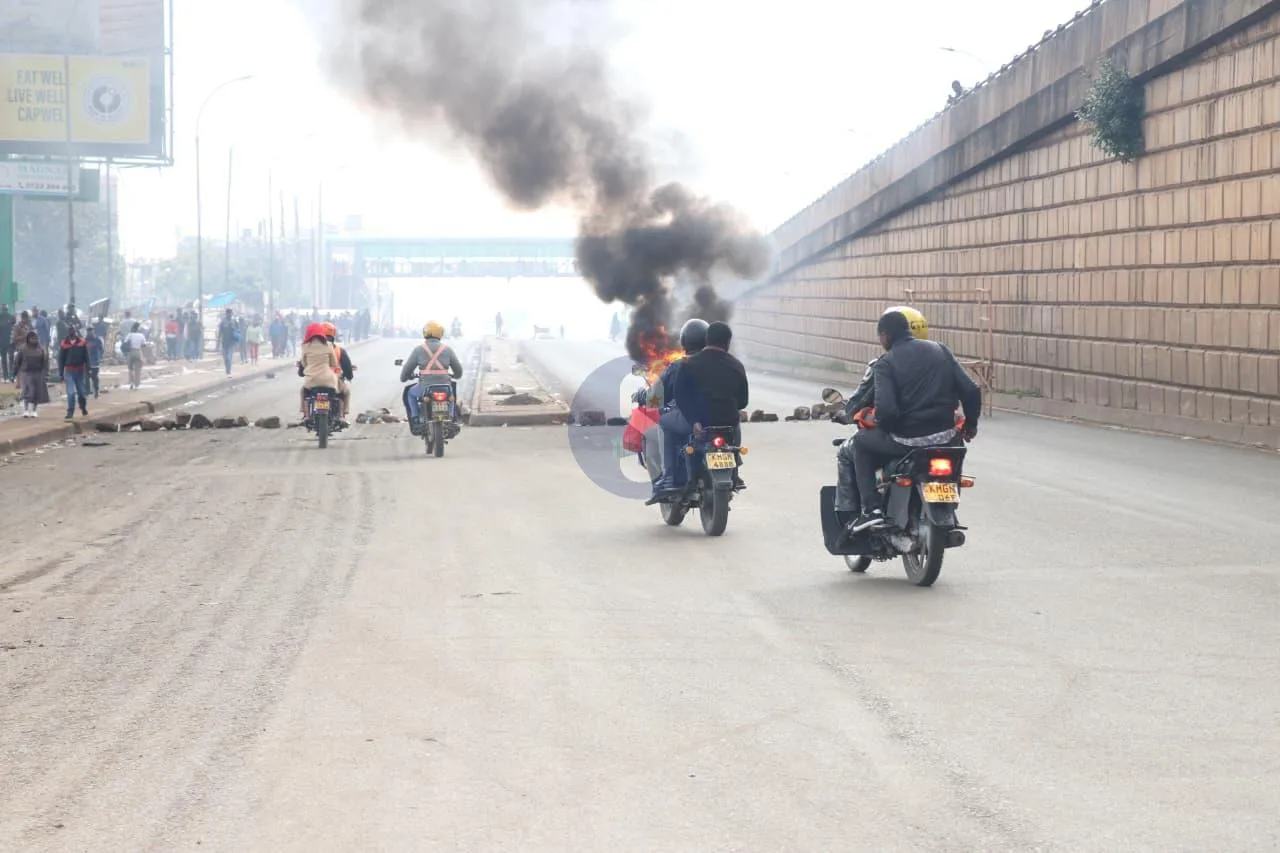
While President William Ruto addressed the country at Kipchoge Keino Stadium in Eldoret, Uasin Gishu County, a section of activists took to Nairobi's Central Business District (CBD), demanding action over the rising cost of fuel and its impact on ordinary households.
Citizen Digital reported that Citizen TV journalist Francis Ode was arrested while covering the demonstrations along Kimathi Street. The journalist was reportedly roughed up by plainclothes officers before being taken to Nairobi Central Police Station alongside activists. He was later released from custody.
The demonstrations came days after the Energy and Petroleum Regulatory Authority (EPRA) announced fresh increases in petroleum prices, adding to concerns among motorists, commuters and businesses over the cost of transport and other essential services.
EPRA's October 14 price review raised the maximum price of petrol in Nairobi by KSh12.93 per litre to KSh226.96, while diesel rose by KSh9.90 to KSh227.76. Kerosene increased by KSh28.49 to KSh219.87 per litre, with the new prices taking effect on October 15.
Reuters reported that the fuel price increases followed rising import costs amid instability linked to the conflict in the Middle East. The higher prices have intensified concerns about the pressure fuel costs could place on transport, production and household spending.
In Nairobi, the protests also drew attention to press freedom and the handling of demonstrations by security officers, with the arrest of Ode attracting criticism from journalists' organisations and political leaders.
The Standard reported that the Kenya Editors Guild and the Crime Journalists Association of Kenya condemned the journalist's arrest and called for accountability over the incident. The organisations maintained that journalists should be able to cover public events without being subjected to violence or unlawful detention.
RUTO ANNOUNCES PROPOSED TAX RELIEF AND JOBS
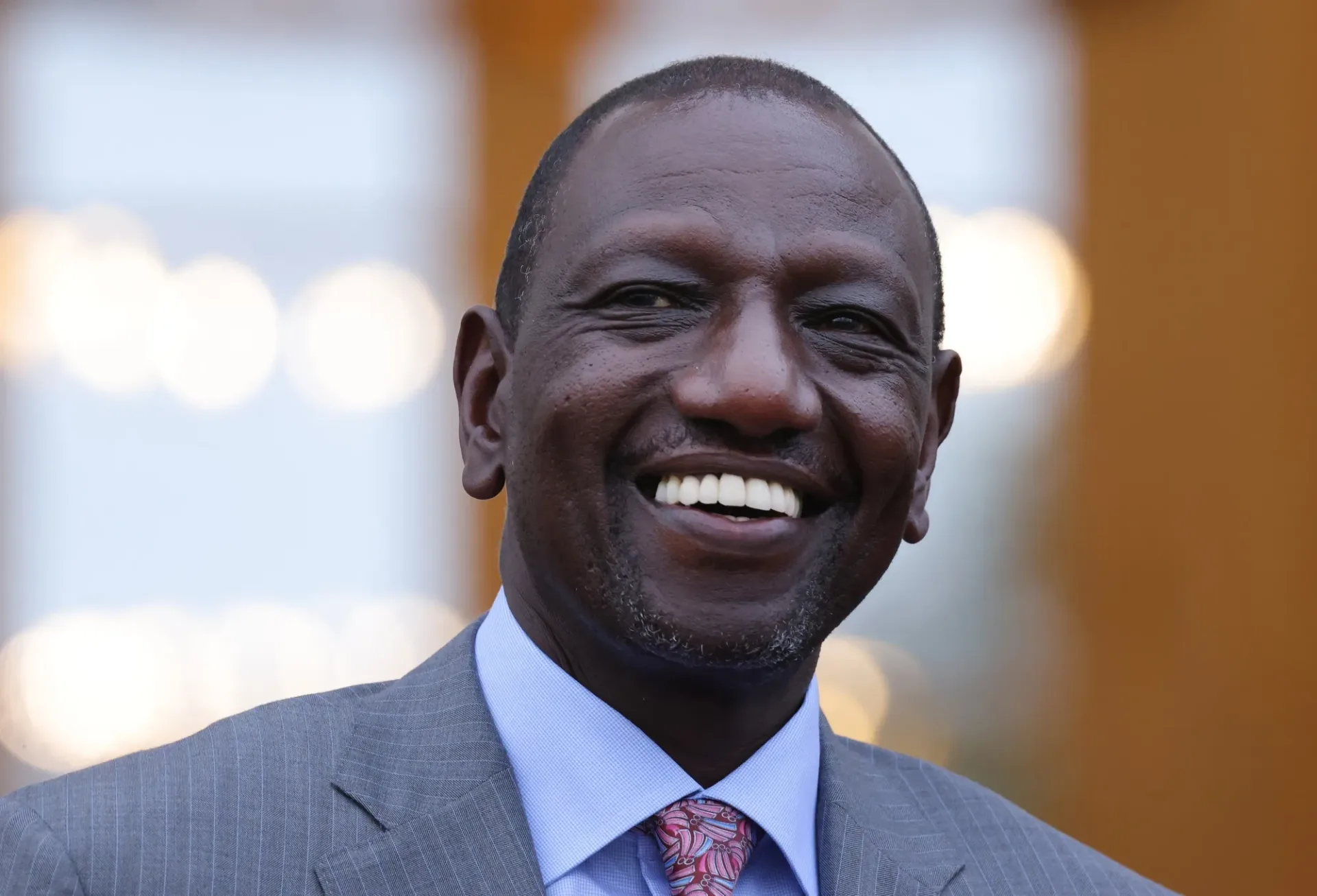
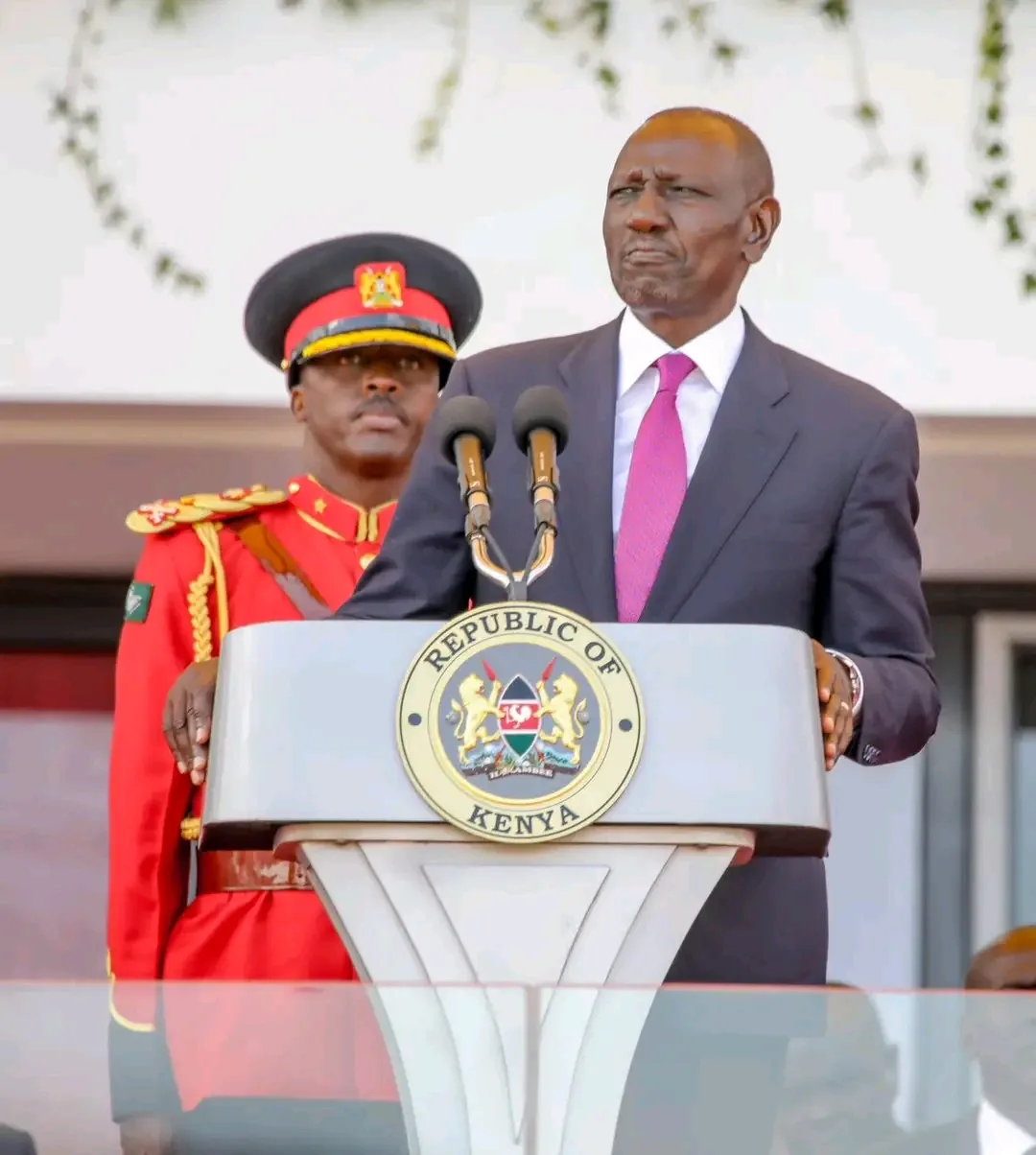
Speaking during the Mashujaa Day celebrations in Eldoret, President Ruto defended his administration's economic record while announcing proposals intended to ease financial pressure on Kenyans.
Daily Nation reported that the President proposed exempting workers earning KSh32,333 or less per month from Pay As You Earn (PAYE) tax. He also proposed scrapping stamp duty on land transactions valued at KSh1 million or less and removing the 25 per cent import duty on mobile phones.
The President further announced plans to expand the national internship programme by creating 50,000 additional paid positions for young people from January 2027.
Citizen Digital reported that Ruto presented the proposals as measures aimed at putting more money into household budgets, reducing the cost of property transactions and making digital technology more accessible.
The proposed PAYE exemption, however, was presented as a government proposal rather than an already implemented tax change. Its implementation would depend on the relevant legal and policy processes.
Ruto also promised an additional KSh5 billion for the Hustler Fund before the end of 2026, saying the money would expand access to credit for small businesses and borrowers who struggle to obtain loans through conventional financial institutions.
People Daily reported that the President cited more than KSh98 billion in loans advanced through the fund and said more than 10 million Kenyans were regular borrowers.
The President also defended his economic record by pointing to growth in the stock market, foreign direct investment and agricultural earnings. He said the value of Kenya's stock market had risen from KSh2 trillion in 2022 to approximately KSh4.2 trillion, while foreign direct investment increased from $1.5 billion in 2022 to $3.2 billion in 2025.
In the dairy sector, Ruto announced that farmers would receive KSh65 per litre of milk from October, alongside a proposed additional monthly bonus of KSh2 per litre, payable quarterly.
The announcements formed part of the President's broader defence of his Bottom-Up Economic Transformation Agenda, which he said was improving incomes, expanding access to credit and creating economic opportunities.
However, the protests in Nairobi highlighted the immediate financial pressures facing some Kenyans, particularly following the latest fuel price increases.
KALONZO CONDEMNS JOURNALIST'S ARREST
The arrest of Francis Ode also drew a reaction from Wiper Patriotic Front leader Kalonzo Musyoka, who accused the government of suppressing dissent.
People Daily reported that Kalonzo criticised the arrest and linked it to wider concerns about press freedom, police accountability and the right of citizens to express dissatisfaction with government policies.
He said: "Even on Mashujaa Day, the chief abductor and his squad are still at work, targeting innocent Kenyans."
The remarks added a political dimension to the demonstrations, with the opposition using the incident to question the government's handling of public dissent.
Meanwhile, opposition leaders were also holding discussions on cooperation ahead of the 2027 General Election.
The Star reported that former Deputy President Rigathi Gachagua hosted Nairobi Senator Edwin Sifuna and other leaders associated with the Linda Mwananchi movement at his Wamunyoro residence in Nyeri County on Tuesday.
Gachagua called for unity among opposition leaders, while Sifuna expressed optimism that the meeting would lead to further engagement ahead of the next general election.
Although the meeting was separate from the Nairobi demonstrations, it came at a time when the cost of living, taxation, employment and government accountability were increasingly prominent in political discussions.
As Kenya moves closer to the 2027 General Election, the challenge for the government will be to demonstrate how its proposed economic measures will translate into tangible relief for households.
For protesters concerned about fuel prices and the rising cost of basic needs, the central question remains whether the announced measures will provide relief quickly enough to ease the financial pressure they face.
Comments
No approved comments yet.