

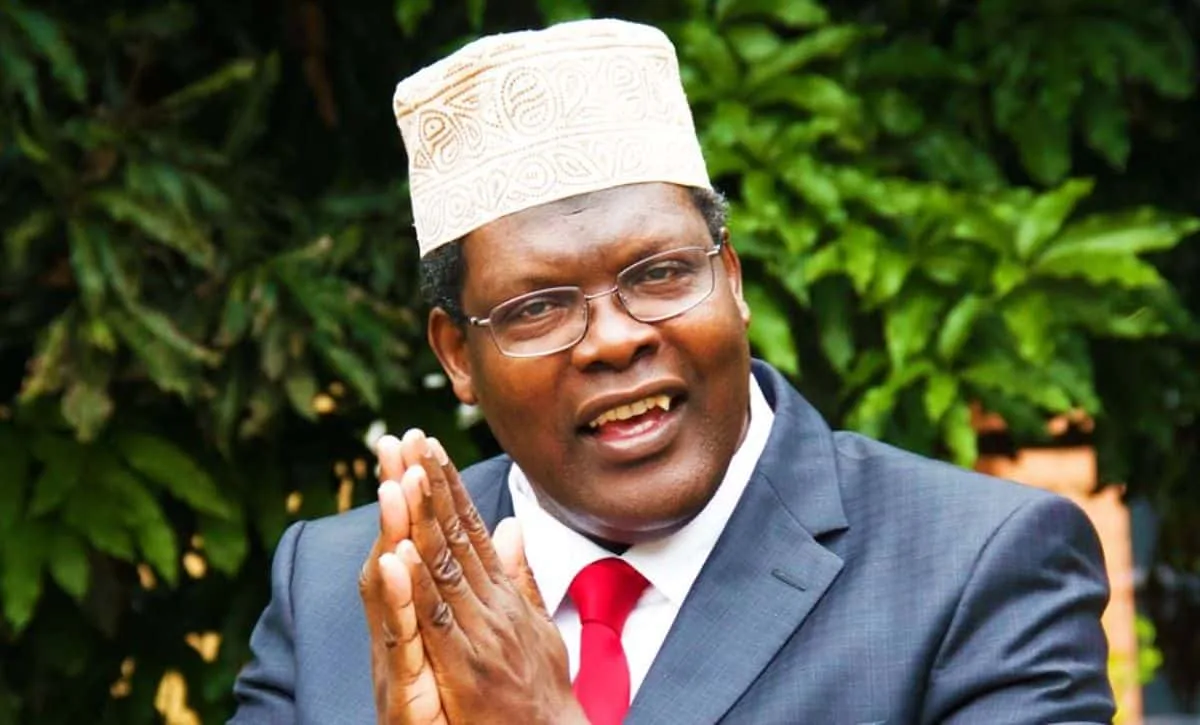
In a fiery statement, Miguna revisited Kabila’s 18-year presidency, alleging that the former head of state failed to deliver meaningful development while poverty and violence continued to affect millions of Congolese citizens.
The outspoken lawyer also dragged former Kenyan President Uhuru Kenyatta into the controversy, making unverified allegations about their alleged connections and the exploitation of the DRC’s mineral wealth.
Miguna’s remarks come after Kabila announced the Front for the Refoundation of the Nation (FRN) in Goma on October 12, 2026. The new coalition includes figures associated with the AFC/M23 movement, which has been fighting the Congolese government in the country’s troubled eastern region.
‘Only Four Things Increased Under Kabila,’ Miguna Claims
Miguna delivered a scathing assessment of Kabila’s record, arguing that his nearly two decades in power failed to improve the lives of ordinary Congolese.
“During that period, only four things increased in the DRC: Kabila’s age, Kabila’s personal wealth, the poverty rate among the Congolese and the number of civilians maimed, tortured and/or disappeared,” Miguna claimed.
The lawyer accused the former president of failing to invest adequately in the country’s development despite controlling the government for 18 years.
“During his 18 years of tyranny, Kabila didn’t build schools, hospitals, roads, or factories,” he alleged.
Miguna also criticised Kabila over the persistent armed conflict that has affected eastern Congo for decades.
“He did nothing at stop the ever-bleeding civil war,” he wrote.
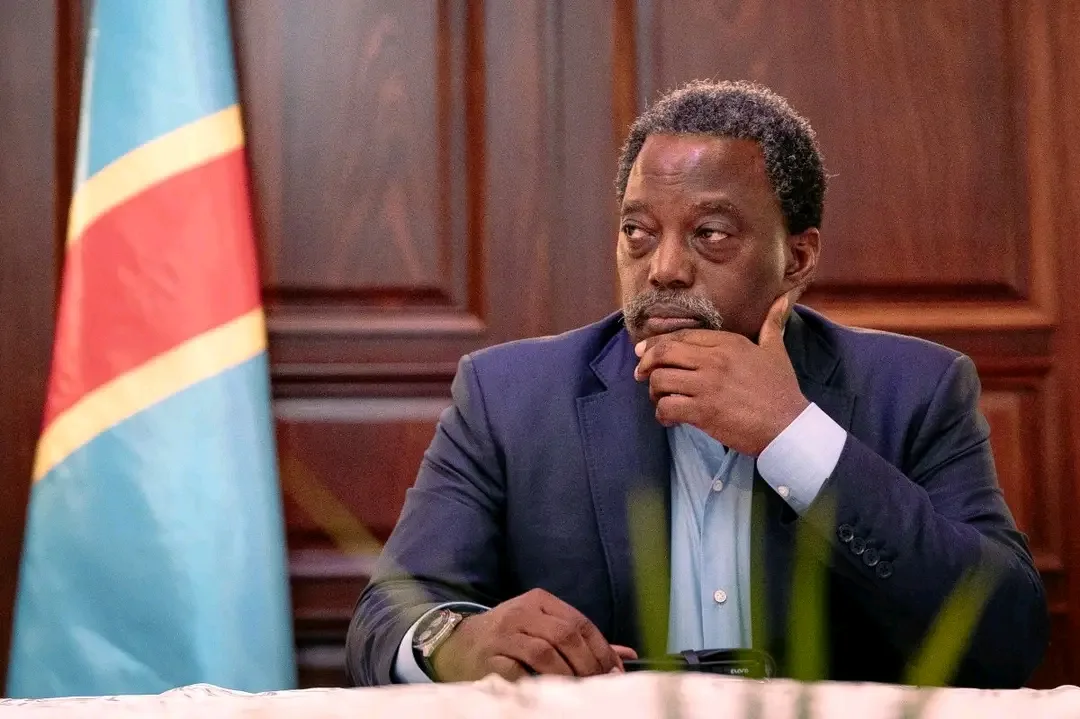
Kabila governed the DRC from 2001 to 2019 after succeeding his assassinated father, Laurent-Désiré Kabila. His presidency was marked by political tensions, delayed elections and protests against efforts to extend his time in office.
Why Miguna Says Kabila Has Returned to the Battlefield
The lawyer’s strongest criticism focused on Kabila’s latest political and military move.
The former president has now taken leadership of the FRN, a coalition bringing together political and military figures associated with the AFC/M23 movement. Its announcement marks a more direct public role for Kabila in the insurgency challenging President Félix Tshisekedi’s government.
Miguna questioned the former president’s intentions, arguing that his return to the conflict was not driven by a desire to improve the lives of Congolese citizens.
“Kabila has now launched another armed militia in the DRC, seeking to dethrone a man he imposed on the Congolese before he was forced into retirement,” Miguna alleged.
He went further, suggesting that Kabila was motivated by concerns about his own legal future.
“Why? As a desperate attempt to stay out of jail or save himself from the hangman’s noose,” the lawyer claimed.
Kabila was sentenced to death in absentia by a Congolese military court in 2025 over charges including treason and war crimes. He has rejected the proceedings as politically motivated and denies the accusations. The United States also imposed sanctions on him in April 2026 over alleged support for rebel groups.
Miguna argued that the former president should pursue legal or diplomatic avenues instead of supporting an armed confrontation.
“Rather than challenge his conviction in court, or use his international contacts to find a diplomatic solution, Kihika has resorted to violence,” he wrote.
The reference to “Kihika” appears in Miguna’s original statement; it is unclear whether he intended to refer to Kabila.
“He prefers to sacrifice thousands of Congolese in a useless war for self-preservation rather than face the consequences of his criminal acts,” Miguna alleged.
The lawyer’s comments reflect his own assessment of Kabila’s motives. Those motives have not been independently established.
‘He Can’t Do for DRC Now What He Failed to Do for 18 Long Years’
Miguna dismissed the prospect that Kabila’s new coalition would provide the solution to the challenges facing the DRC.
“He can’t do for DRC now that which he failed to do for 18 long years,” the lawyer declared.
He also challenged the idea that the new movement represented a genuine struggle for the liberation of the Congolese people.
“The insurrection Kabila is fermenting in the DRC isn’t for the liberation of the Congolese from 65 years of neocolonial servitude,” Miguna claimed.
“It is to institutionalize neocolonialism through civil wars, destruction and despondency,” he added.
The remarks highlight the wider debate over the DRC’s mineral wealth, foreign influence and the continued suffering of communities caught up in the conflict.
Eastern Congo is rich in valuable natural resources, but armed violence has repeatedly disrupted livelihoods, displaced families and complicated humanitarian operations.
The announcement of the FRN has also raised concerns about the future of peace negotiations. The Associated Press reported that analysts fear Kabila’s more direct leadership role could complicate ongoing efforts to resolve the conflict.
Miguna Drags Uhuru Kenyatta Into the DRC Controversy
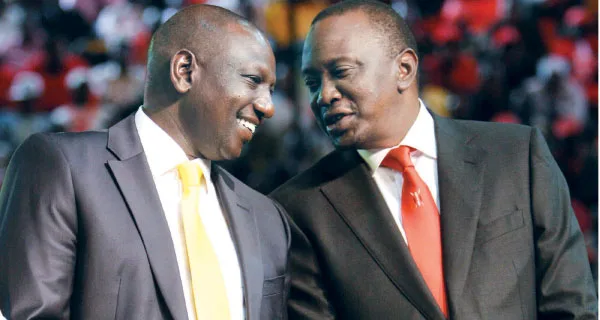
In one of the most politically sensitive passages of his statement, Miguna called on Kenyans to pay close attention to Kabila’s activities and alleged a connection with Uhuru Kenyatta.
“Kenyans should watch Kabila closely because he seems to be working clandestine on with Despot Uhuru Kenyatta,” Miguna wrote.
He then made allegations involving the exploitation and movement of valuable minerals from the DRC.
“They smuggle gold, diamonds and other precious Congolese metals to fund their self-aggrandizements in the DRC and Kenya,” the lawyer alleged.
Miguna did not provide evidence in the statement to substantiate the alleged mineral-smuggling activities. The claims have not been independently verified and should not be treated as established wrongdoing by either former president.
There is, however, a documented regional diplomatic connection: Uhuru has been involved in African Union-led mediation efforts aimed at resolving the conflict in eastern Congo.
On October 5, 2026, Uhuru joined a delegation of African Union facilitators that held consultations with representatives of the AFC/M23 movement in Goma. The delegation called for political dialogue, respect for ceasefire commitments and stronger protection for civilians.
That diplomatic engagement provides relevant context to Miguna’s comments, but it does not substantiate his allegations concerning mineral smuggling.
The distinction is important as the DRC conflict increasingly draws regional leaders, international mediators and competing political interests into the search for a lasting settlement.
What Kabila’s New Coalition Means for the DRC
Kabila’s decision to lead the FRN marks a significant development in the conflict between the Congolese government and the armed opposition in the east.
The new coalition includes figures associated with M23, which has seized major towns and strategic locations in eastern Congo. The movement’s expansion has fuelled fears of further fighting and complicated diplomatic efforts to end the crisis.
The coalition’s stated ambition is to challenge the existing government, but the immediate consequences for the peace process remain uncertain.
For ordinary Congolese, the central concern is whether the new political alignment will bring an end to years of insecurity or deepen a conflict that has already caused widespread suffering.
For neighbouring countries, including Kenya, developments in eastern Congo matter because renewed fighting could complicate regional diplomacy, cross-border security and efforts to stabilise the Great Lakes region.
Miguna’s statement adds another dimension to the debate by questioning Kabila’s legacy and raising allegations involving a former Kenyan president. Those allegations remain unverified, while the broader political and humanitarian consequences of the new coalition are still unfolding.
‘Telling the Truth Is a Revolutionary Act’
Miguna concluded his statement with a declaration reflecting his confrontational political message.
“Telling the truth is a revolutionary act,” he wrote.
His remarks are likely to reignite debate in Kenya over Kabila’s record, Uhuru’s regional diplomatic role and the political interests shaping the conflict in eastern Congo.
The bigger question now is whether Kabila’s new coalition will open another front in the struggle for power or create a new obstacle to negotiations.
As diplomatic efforts continue, the stakes remain high for millions of Congolese citizens who want an end to armed violence and a return to lasting peace.

Comments
No approved comments yet.