

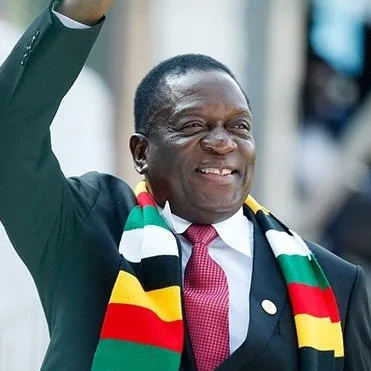
The decision was gazetted through Statutory Instrument 148 of 2026 under the Public Holidays and Prohibition of Business Act. The notice provides that September 15 will henceforth be observed as a public holiday every year.
But while the date coincides with Mnangagwa’s birthday, the holiday has not been named after the President.
Instead, the government has chosen the name Munhumutapa Day, drawing on one of the most prominent pre-colonial political legacies associated with present-day Zimbabwe.
Why September 15?
September 15 is President Mnangagwa’s birthday. He turns 84 in 2026.
The date has already been associated with Munhumutapa commemorations in Zimbabwe, with celebrations held annually and rotating among the country’s provinces. This year’s event is expected to attract more than 30,000 young people in Mvurwi, Mashonaland Central Province.
What has changed in 2026 is the legal status of the occasion.
The government notice states that September 15 will now be a public holiday every year, making the 2026 celebration the first to take place under the new statutory designation.
What does Munhumutapa mean?
Munhumutapa is linked to the title used by rulers of the historic Mutapa Empire, also known as the Mutapa state.
The pre-colonial kingdom emerged in the 15th century and became an influential political and trading power in southeastern Africa. Its historical territory included large parts of what is now Zimbabwe and extended into neighbouring areas.
The Mutapa state also developed important commercial links, including trade in gold with merchants operating along the Indian Ocean coast.
That history gives the name Munhumutapa a significance far beyond the birthday of an individual president.
Why did Zimbabwe choose the name?
Zimbabwean authorities have linked Munhumutapa Day to the country's historical identity and development ambitions.
A senior government official described the holiday as a celebration of the “greatness” of the Munhumutapa Empire and said its legacy was being connected to Zimbabwe’s contemporary development agenda and Vision 2030.
Government supporters have also connected Mnangagwa’s development philosophy, including the slogan “Nyika inovakwa nevene vayo”, meaning that the country is built by its owners, with the legacy associated with Munhumutapa.
The result is a deliberate blend of history, national identity and contemporary politics.
The political significance
The decision is also significant because the new national holiday falls on the birthday of the sitting President.
That has inevitably placed renewed attention on the relationship between Mnangagwa’s presidency and the Munhumutapa celebrations.
Zimbabwe has precedent for commemorating the birthdays of former leaders. February 21, for example, is observed as Robert Gabriel Mugabe National Youth Day, coinciding with the birthday of the country's late former president.
Munhumutapa Day, however, is different in timing because the sitting President's birthday is being incorporated into the national calendar while he remains in office.
Critics are likely to interpret that development through the broader debate about the personalisation of political power in Zimbabwe, while supporters are expected to emphasise the historical and developmental meaning attached to the Munhumutapa name.
More than a birthday celebration
The government's official framing is important.
Rather than calling September 15 “Mnangagwa Day”, authorities have used the Munhumutapa name to place the occasion within a much older historical narrative.
That allows the government to present the holiday as a celebration of Zimbabwean heritage rather than simply a commemoration of the President.
The distinction is likely to remain central to the debate surrounding the new holiday.
For supporters, Munhumutapa Day represents an opportunity to celebrate an African civilisation and connect its legacy to Zimbabwe's modern development.
For critics, the fact that the holiday coincides with the President's birthday raises questions about the extent to which national institutions and historical symbols are becoming intertwined with the sitting leader.
First official Munhumutapa Day
The first Munhumutapa Day as a legally recognised public holiday will be observed on Tuesday, September 15, 2026.
More than 30,000 youths are expected to gather in Mvurwi for this year's commemorations, with the event expected to highlight the Mutapa legacy and Mnangagwa's development agenda.
For Zimbabwe, September 15 will therefore carry two identities at once: it is the birthday of President Emmerson Mnangagwa and, officially, Munhumutapa Day.
The bigger story, however, may be what the name represents — an attempt to connect Zimbabwe's modern political and development narrative with the legacy of one of the most powerful pre-colonial states in southern Africa.


Comments
No approved comments yet.