

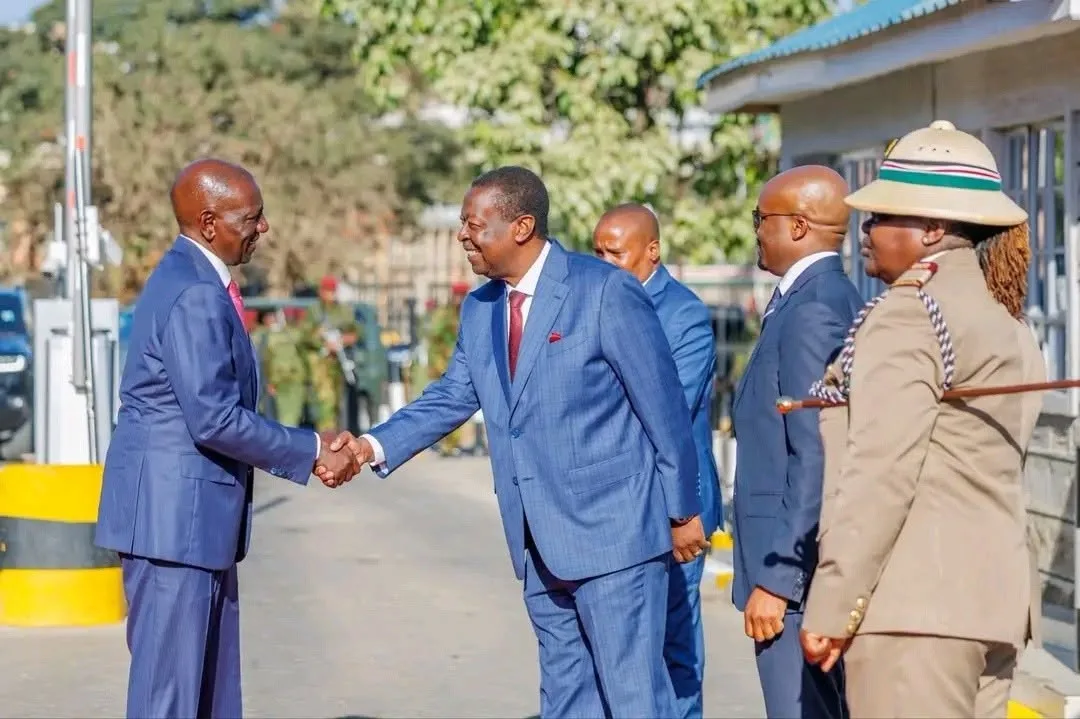
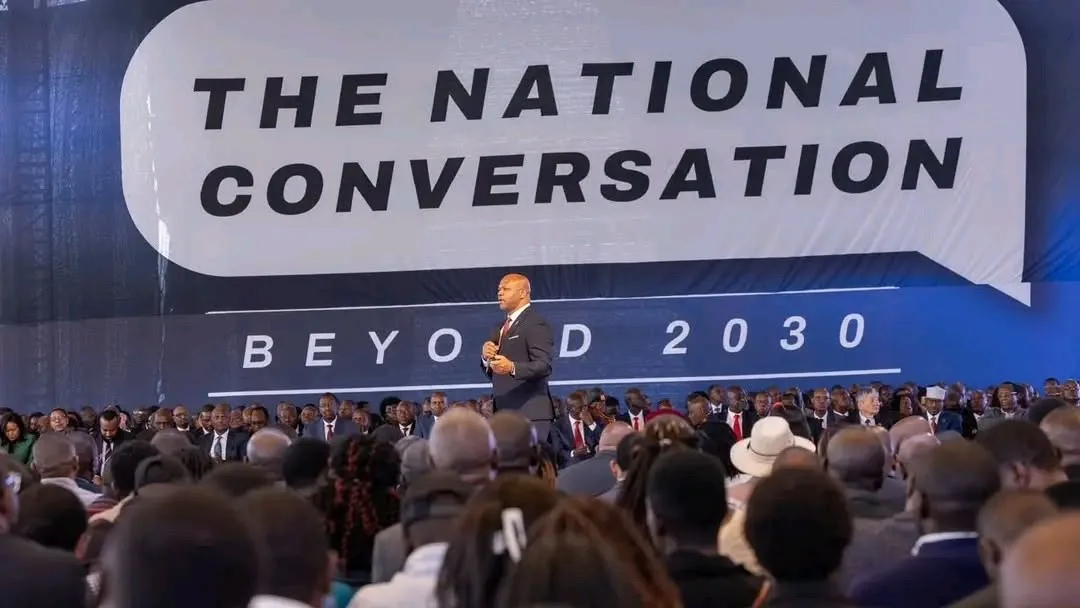
The high-profile national dialogue brought together thousands of Kenyans drawn from all 47 counties, alongside senior government officials, political leaders, experts, youth representatives, faith groups and other stakeholders.
The Beyond 2030 National Conversation is expected to lay the groundwork for a proposed Vision 2060 development roadmap designed to guide Kenya’s economic and social transformation over the coming decades.
The launch marks the beginning of public participation in discussions on Kenya’s long-term priorities, with participants expected to submit views that will contribute to the development of a National Development Charter.
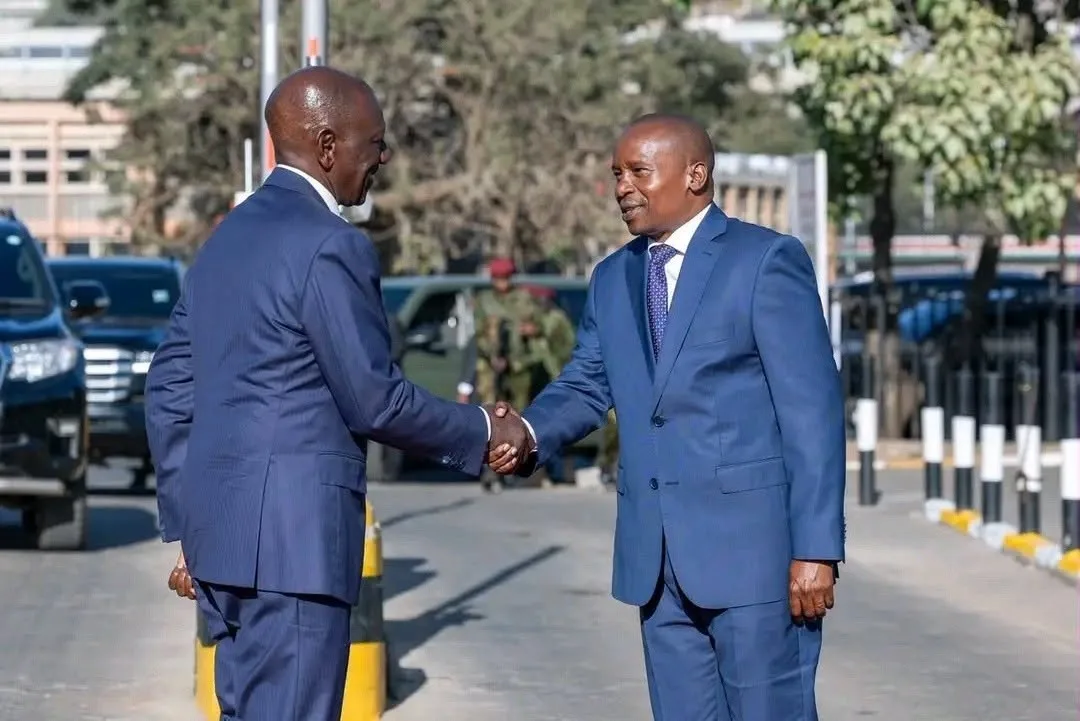
Ruto: Kenyans Must Decide the Country’s Future
President Ruto has positioned the Beyond 2030 conversation as a major national exercise that should go beyond the priorities of one administration or one election cycle.
In his July 30 national address announcing the initiative, Ruto called on Kenyans to participate in developing a long-term development plan that will succeed Vision 2030.
The President described the process as an opportunity for citizens and institutions to collectively determine Kenya’s next phase of development.
“On Wednesday, 12th August 2026, we shall formally launch a National Conversation on Kenya’s Future Beyond Vision 2030,” Ruto said.
He described the exercise as a significant national reflection and public participation process.
“This conversation belongs to each one of us, and to all of us,” the President said.
Ruto has argued that Kenya needs a development framework capable of surviving changes in political leadership and remaining focused on long-term national interests.
The President has also challenged Kenyans to look beyond immediate political contests and concentrate on the economic and social transformation required to create a more prosperous country.
Vision 2060: What Is the New National Conversation About?
The proposed Vision 2060 is expected to succeed Kenya’s Vision 2030 as the country's long-term development framework.
The Beyond 2030 National Conversation seeks to develop an inclusive, people-driven roadmap to 2060, with the aim of building consensus around Kenya’s long-term priorities.
The discussions are expected to cover key areas including:
Economic transformation
Industrialisation and manufacturing
Job creation
Education and skills
Healthcare
Agriculture and food security
Technology and innovation
Artificial intelligence
Infrastructure
Climate resilience
National wealth creation
Governance and institutions
The objective is to establish a development direction that extends beyond short-term government programmes and election cycles.
Nyong’o: Do Not Allow Elections to Disrupt Development
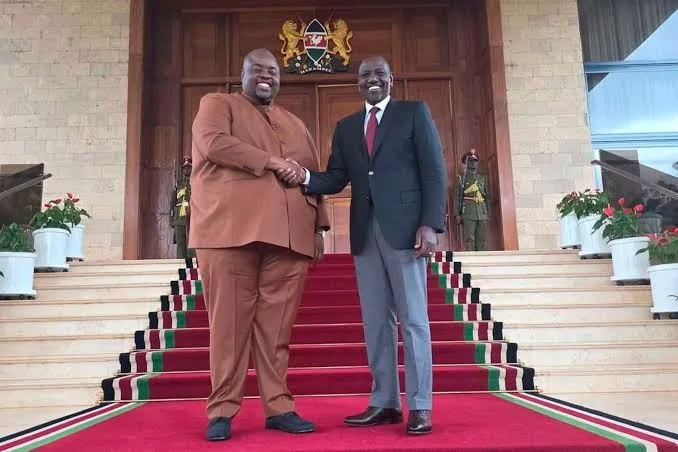
Kisumu Governor Prof Anyang’ Nyong’o was among the prominent voices at the KICC launch, calling for Kenya’s long-term development ambitions to remain protected from political transitions.
Nyong’o said the conversation should not be viewed through the lens of the upcoming 2027 General Election.
“This conversation is not about the next general elections,” Nyong’o said.
He urged Kenyans to approach the process with a long-term perspective, arguing that countries that have achieved major economic transformations have maintained their development goals despite changes in political leadership.
“One of the lessons that Kenya must learn from the countries that achieved socio-economic transformation in recent history, in Asia, for example, is that long-term development goals must not be disrupted by electoral cycles and the political leadership that such elections bring up from time to time,” Nyong’o said.
The governor cautioned against rushing the process because Kenya is approaching another election.
“This meeting is therefore the first step in a journey that must not be rushed,” Nyong’o said.
He added:
“Let us give ourselves reasonable time to have an inclusive conversation among Kenyans regarding the future of our nation.”
Nyong’o also made it clear that the country does not yet have a completed Vision 2060 plan.
“We do not have a plan yet at this time, except for some guidelines on how to produce it,” he said.
His remarks underscored that the KICC event is the beginning of a longer consultation process rather than the unveiling of a fully completed development blueprint.
More Than 5,000 Kenyans Expected to Shape Vision 2060
The national conversation has brought together more than 5,000 Kenyans from all 47 counties, according to reports ahead of the launch.
The participants represent different sections of society, including youth, students, faith groups, professionals and representatives of institutions.
The idea is to ensure that the proposed long-term development agenda reflects views from across the country rather than being formulated solely within government.
Participants are expected to contribute their views on the economic, social and governance priorities they believe should define Kenya’s future.
The memoranda arising from the consultations are expected to contribute to the formulation of a National Development Charter, which would subsequently be developed into legislation for consideration by Parliament.
Ruto Wants Development to Outlive Political Administrations
The President’s push for a post-2030 development framework comes as Kenya approaches the end of the period covered by Vision 2030.
Ruto has argued that the country needs to think beyond five-year political cycles and establish long-term objectives that successive governments can pursue.
The debate is particularly significant because Kenya will hold its next General Election in 2027, only a short time before the current Vision 2030 period reaches its target year.
The Beyond 2030 process therefore raises a fundamental question: What development path should Kenya follow after 2030?
Ruto has said the answer should come through broad public participation.
The President previously called for Kenyans from different sectors and backgrounds to contribute to the development of the country's next long-term vision, saying the framework should reflect the aspirations of citizens.
From Vision 2030 to Vision 2060
Kenya’s Vision 2030 has served as the country's principal long-term development blueprint since its launch under the administration of former President Mwai Kibaki.
The framework was designed around three broad pillars: economic, social and political governance.
Its goal was to transform Kenya into a globally competitive and prosperous country.
The proposed Vision 2060 process now seeks to determine what should come after that framework and how Kenya can build on the gains, shortcomings and lessons of the Vision 2030 period.
The transition is expected to generate debate over whether Kenya has achieved the objectives set out under Vision 2030 and what should be retained, changed or abandoned.
Why the Beyond 2030 Conversation Matters
The national dialogue comes at a critical point for Kenya.
The country is facing questions around youth unemployment, cost of living, public debt, industrialisation, access to quality healthcare, education, climate change, food security and the future of technology.
At the same time, Kenya is seeking to position itself as a regional economic and technological hub.
The proposed Vision 2060 could therefore determine how the country approaches these challenges over the coming decades.
The government has also emphasised the need for Kenya to learn from countries that have achieved rapid economic transformation and sustained development across successive political administrations.
For supporters of the process, a long-term framework could provide continuity and prevent major development programmes from being abandoned whenever political leadership changes.
For critics, however, the process will need to demonstrate that it is genuinely inclusive and focused on practical outcomes rather than political messaging.
Beyond 2030 Conversation Begins at KICC
The launch at KICC is only the beginning of what is expected to be a much wider national conversation.
President Ruto, senior government officials and participating experts have called for Kenyans to actively contribute their ideas on the country they want to build beyond 2030.
Nyong’o, meanwhile, has urged participants to resist the temptation to rush the process because of the 2027 elections.
“Let us give ourselves reasonable time to have an inclusive conversation among Kenyans regarding the future of our nation,” he said.
The central question now facing the country is whether the National Conversation Beyond 2030 can produce a development framework that commands broad public support and survives changes in political leadership.
As Kenya begins the journey towards Vision 2060, the views submitted by citizens, experts, political leaders, businesses, young people and other stakeholders will help determine what the country’s long-term development priorities ultimately become.
For now, the conversation has officially begun.
Key Facts About Kenya’s National Conversation Beyond 2030
Event: National Conversation Beyond 2030
Date: August 12, 2026
Venue: Kenyatta International Convention Centre (KICC), Nairobi
President: William Ruto
Proposed long-term framework: Vision 2060
Current framework: Vision 2030
Participants: More than 5,000 Kenyans drawn from all 47 counties
Main objective: Develop an inclusive long-term development roadmap for Kenya
Key voice at launch: Kisumu Governor Prof Anyang’ Nyong’o
Next phase: Wider public participation and development of the proposed National Development Charter
Comments
No approved comments yet.