

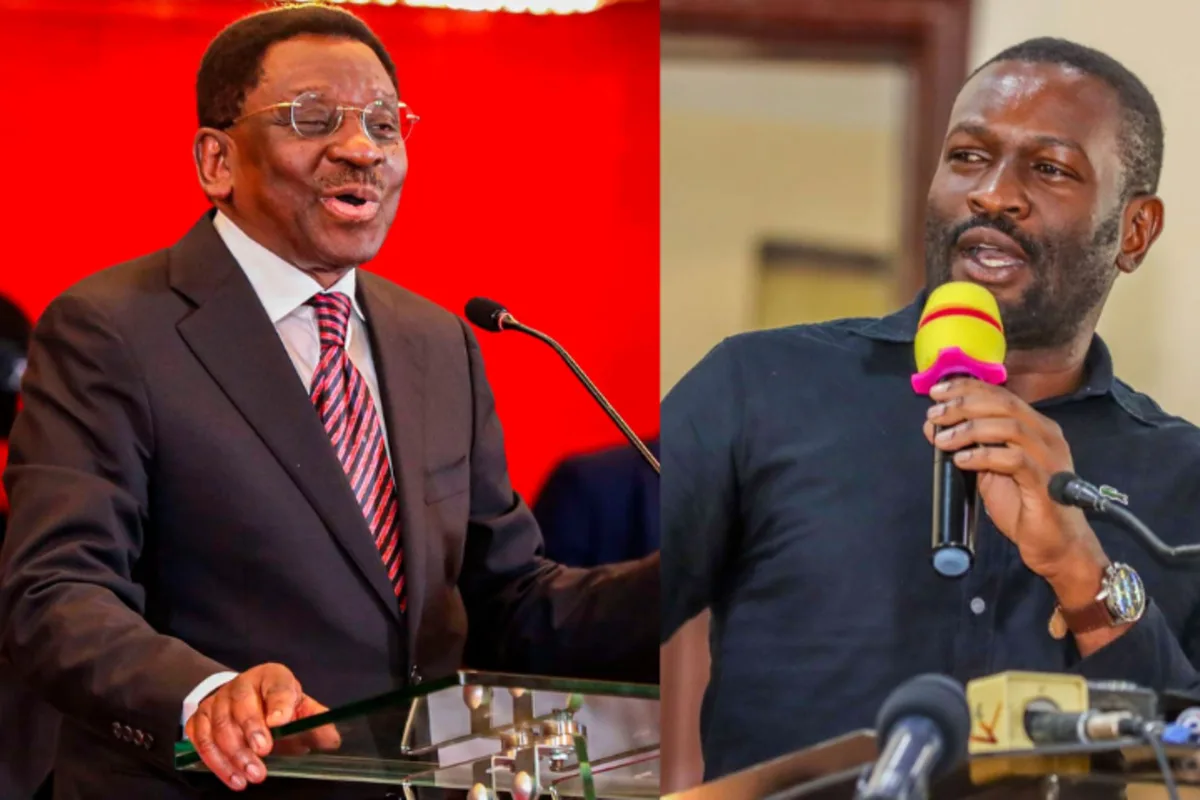
The declaration was particularly significant because Orengo had earlier endorsed Nairobi Senator Edwin Sifuna for the presidential bid, appearing to support the younger politician as the opposition movement’s preferred choice to face Ruto.
But for those who have followed Orengo’s long and sometimes unpredictable political journey, the latest development also carries echoes of the past.
More than two decades ago, Orengo and the late former Prime Minister Raila Odinga found themselves on different political paths during the 2002 presidential election.
Today, with Raila gone and the opposition entering a new political era, Orengo is once again seeking the presidency while a younger politician, Sifuna, has emerged as one of the most prominent figures in the same political camp.
The circumstances are different.
But the political question is strikingly familiar: Can competing ambitions coexist long enough for the opposition to produce one candidate capable of challenging the incumbent?
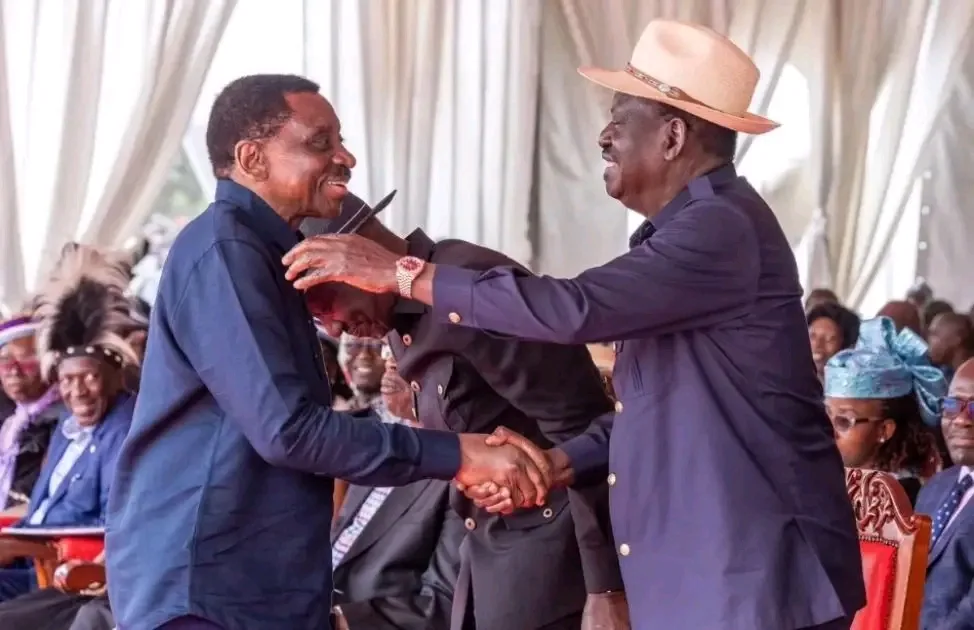
What is happening between Orengo and Sifuna?
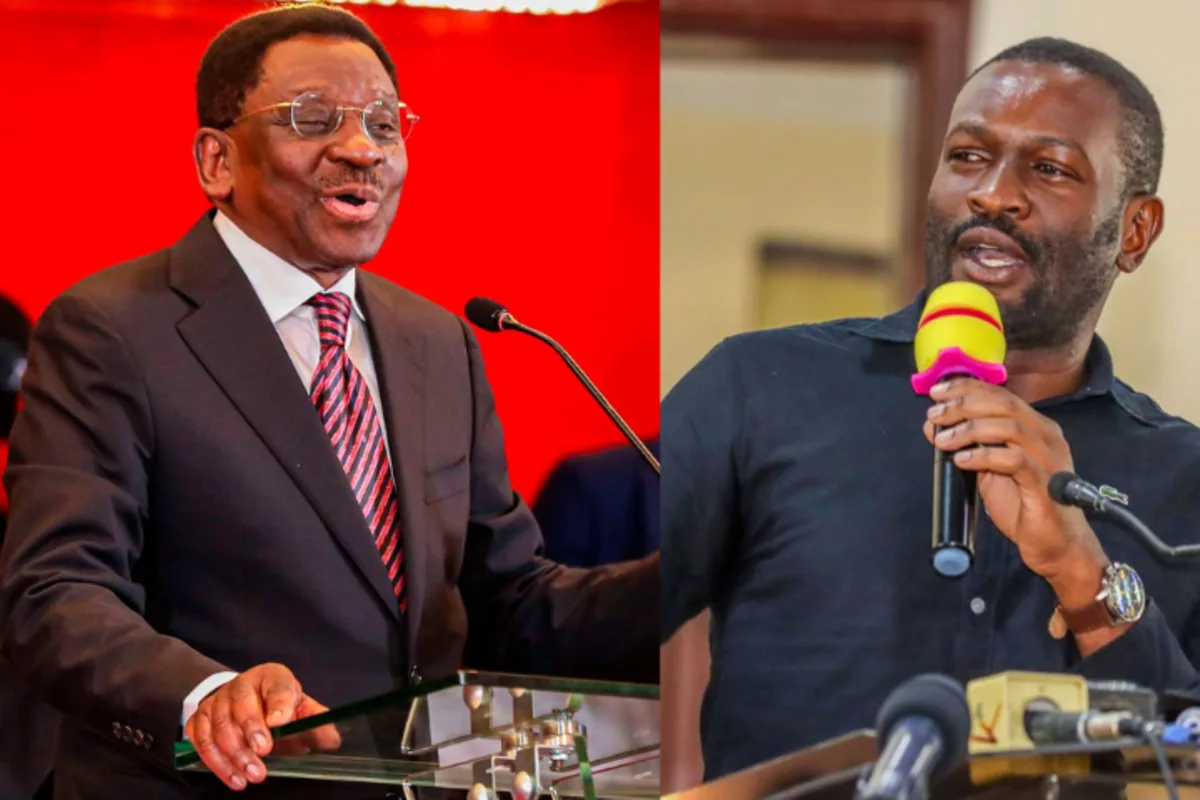
Orengo has declared his intention to seek the Linda Mwananchi presidential ticket, despite his earlier support for Sifuna.
Sifuna has meanwhile continued to command significant support within the movement, with several leaders publicly presenting him as their preferred presidential candidate.
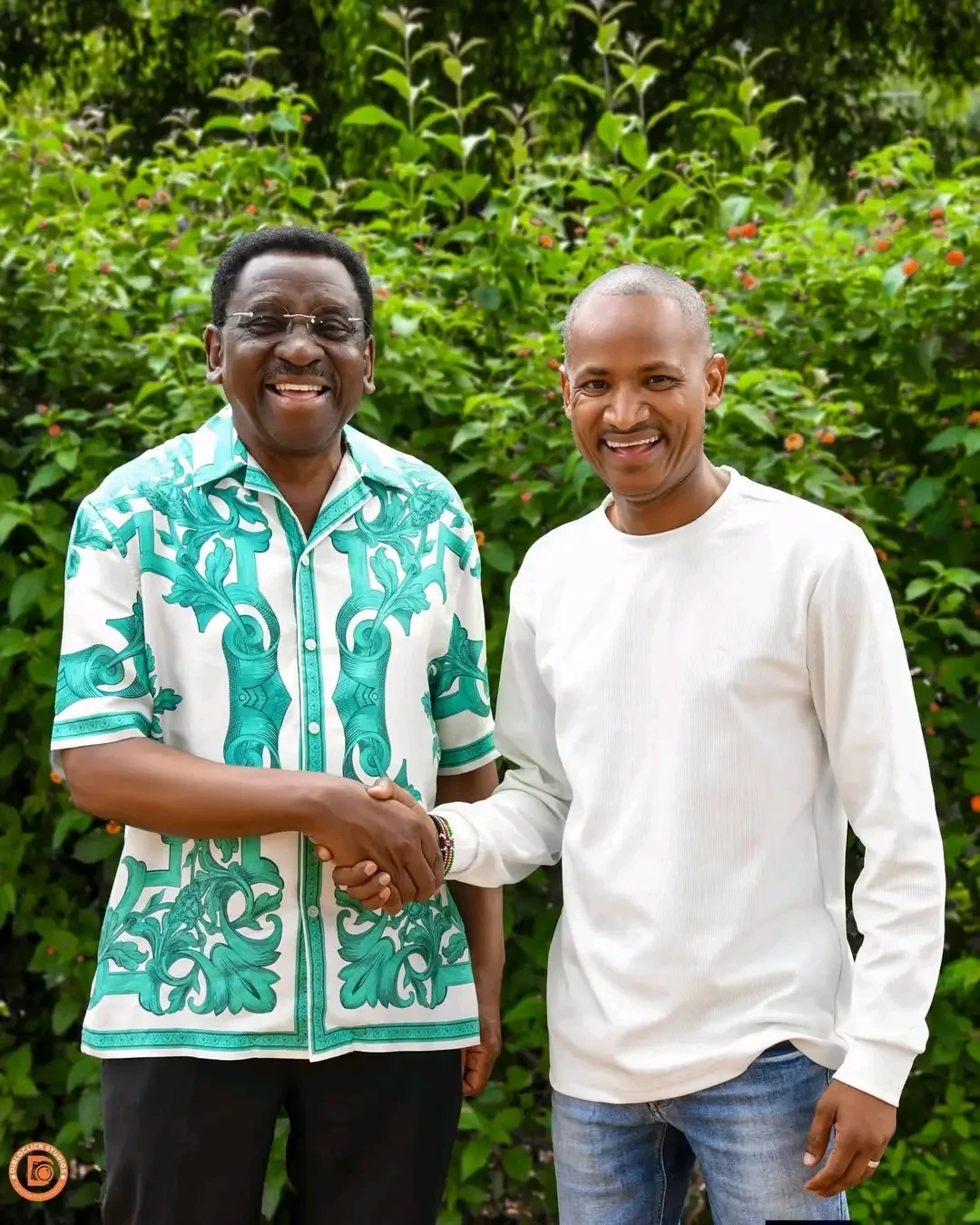
At the September 13 Nairobi rally, however, Orengo and Sifuna appeared together and committed themselves to negotiations aimed at producing one presidential candidate.
That means the contest is not yet a political break-up.
It is a battle over who ultimately becomes the movement’s flag bearer.
And that is where Orengo's history becomes important.
Orengo and Raila: From comrades to rivals
Orengo and Raila's political relationship stretches back decades.
Both belonged to the generation of opposition politicians who fought for multiparty democracy and became prominent figures during Kenya's struggle against one-party rule.
But political alliances were often fluid, and the two did not always agree on strategy.
Their differences became particularly visible during the political realignments of the 1990s, when opposition leaders struggled to determine how best to confront the KANU establishment.
Orengo later described his relationship with Raila in terms that provide an important lens through which to understand his politics.
“For Raila and me, it has never been a difference of opinion but rather strategy.”
That statement would prove remarkably relevant throughout their political careers.
2002: When Orengo chose his own path
The defining moment came in 2002.
As opposition parties sought to unite against President Daniel arap Moi and KANU, Raila became one of the architects of the National Rainbow Coalition.
At the famous Uhuru Park rally, Raila endorsed Mwai Kibaki with the declaration:
“Kibaki Tosha!”
The endorsement helped settle the opposition's presidential question and gave NARC a powerful platform ahead of the election.
Orengo, however, chose a different path.
He contested the presidency on a Social Democratic Party ticket rather than supporting Kibaki.
Years later, he explained the thinking behind his decision.
“I wanted real leadership change when Moi’s term in office came to an end, and not just another game of musical chairs.”
Orengo finished fourth in the presidential election with 24,524 votes, representing 0.40 per cent of the vote. He also lost his Ugenya parliamentary seat.
It was a devastating electoral result.
But it did not end his political career.
From rivals back to allies
The political separation of 2002 did not permanently destroy the Orengo-Raila relationship.
By 2007, Orengo was back in Raila's political camp and won the Ugenya parliamentary seat on an ODM ticket. He became one of Raila's most prominent political allies and later served as Lands Minister in the coalition government.
The two would share political platforms, opposition battles and government responsibilities for years.
Orengo eventually became one of the veteran politicians most closely associated with Raila's political project.
That journey is important because it demonstrates something fundamental about Kenyan politics — political competition does not necessarily mean permanent separation.
Today's rival can become tomorrow's ally.
And today's ally can eventually become tomorrow's competitor.
Raila's death changed the opposition
Raila's death created a new reality for the Kenyan opposition.
For decades, Raila had been the central figure around whom opposition politics repeatedly reorganised.
His absence inevitably created a succession question.
Who would carry the opposition mantle?
Among the politicians who have emerged prominently in the new political landscape is Sifuna.
The Nairobi senator has become one of the most recognisable faces of Linda Mwananchi, particularly during the movement's nationwide mobilisation.
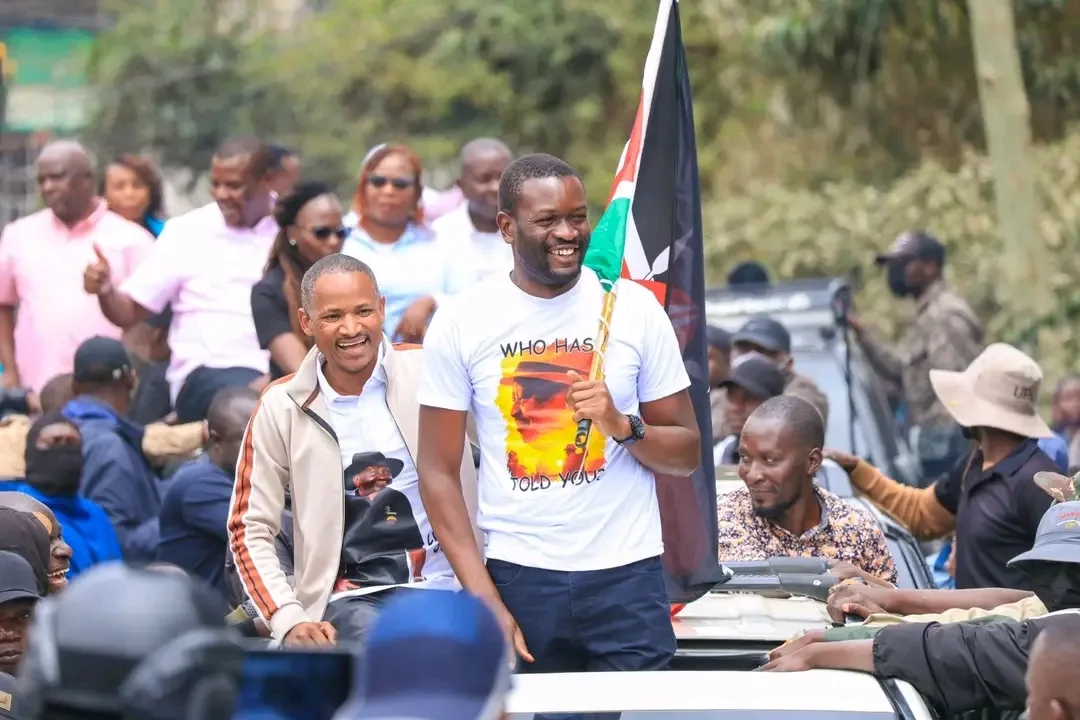
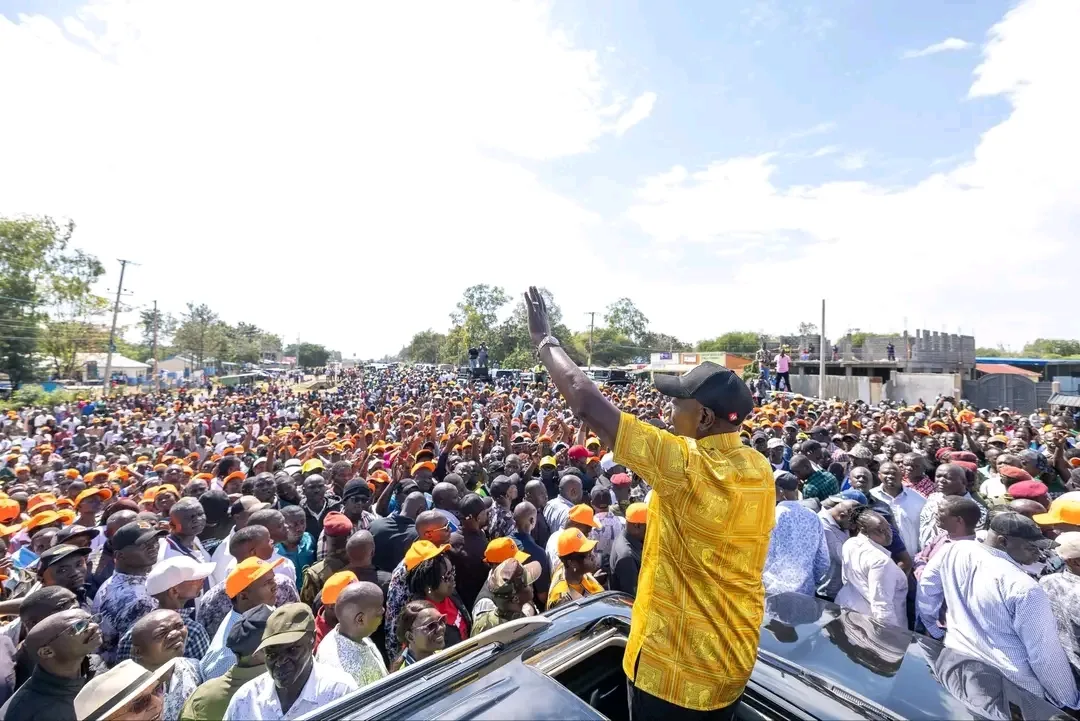
The September 13 Nairobi rally was an important demonstration of that political momentum.
Sifuna, Orengo, Babu Owino, George Natembeya and other leaders toured parts of Nairobi before culminating in a rally at Jacaranda Grounds.
But beneath the show of unity was an unresolved question over who will eventually carry the movement's presidential ticket.
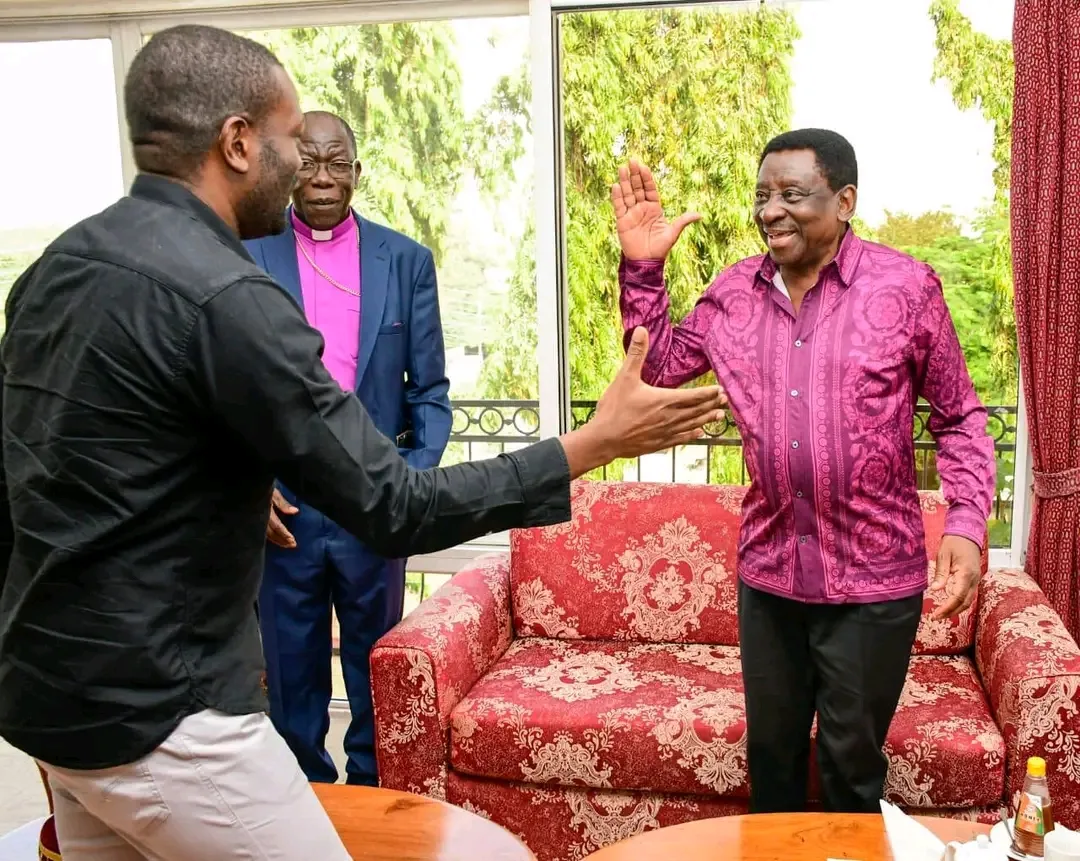
Orengo enters the race
Orengo's presidential declaration changed the equation.
Rather than accepting that Sifuna's emergence had already settled the question, the veteran politician argued that competing ambitions should be allowed and that the movement should eventually agree on one candidate.
His position has inevitably placed him in competition with a politician he had previously endorsed.
But Orengo has been careful not to portray the contest as a personal war.
At the Nairobi rally, he said:
“Sifuna is my son.”
He then called for the two politicians to sit down and negotiate.
“I want to announce that Sifuna and I will sit together at the negotiation table to ensure that we liberate Kenya,” Orengo said.
The message was significant.
Orengo was not withdrawing his presidential ambition.
Neither was he calling for the opposition to split.
Instead, he was proposing negotiations as the route to a single candidate.
Sifuna's moment
For Sifuna, the Nairobi rally was an opportunity to demonstrate that his political support extends beyond senior politicians and established party structures.
At Marikiti Market, he thanked Nairobi residents for electing him to the Senate and credited them for helping build his national political profile.
“Watu wa Nairobi, nataka nianze kwa kusema asante sana. Kwa sababu ya kura zenu, mlinituma pale Senate. Na kwa sababu ya pale Senate, siku hizi Kenya nzima inaimba wao pia ni Sifuna,” he told supporters.
The senator later received enthusiastic support from sections of the crowd as his allies portrayed him as a potential presidential candidate.
The campaign around Sifuna has therefore taken on a grassroots character.
That presents Orengo with a difficult political task.
He is asking the movement to consider his experience and seniority, while Sifuna's supporters are pointing to his growing national profile and political momentum.
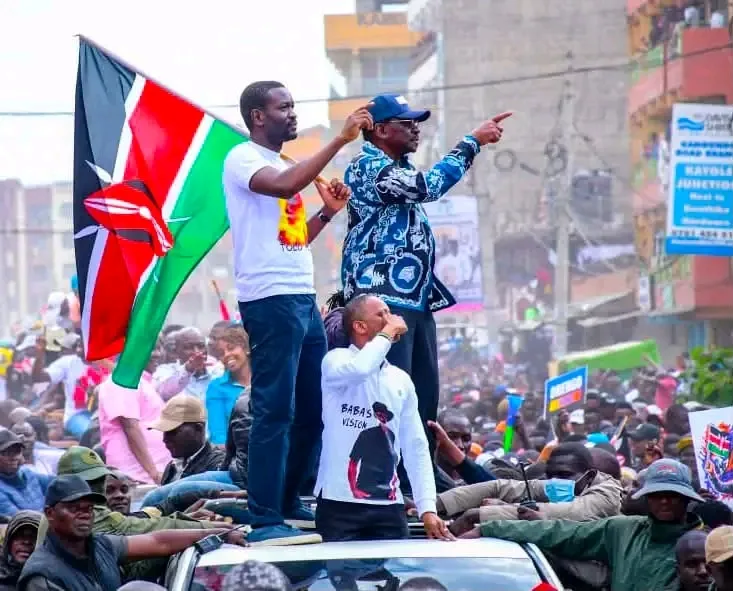
Babu Owino's balancing act
Babu Owino occupies another important position in the unfolding contest.
The Embakasi East MP has publicly supported Sifuna while also defending Orengo's right to seek the presidency.
His position reflects the wider dilemma facing Linda Mwananchi.
The movement can accommodate several presidential ambitions during the early stages.
But eventually, it will have to determine who will carry its presidential ticket if it wants to mount a united challenge against Ruto.
Babu's role could therefore become important in any negotiations between the competing camps.
The party question
The political restructuring surrounding Linda Mwananchi has added another layer to the contest.
There have been proposals and reports concerning a possible party structure involving several of the movement's leading figures.
However, the exact formal arrangement remains contested and should not be confused with the broader political movement itself.
That distinction is important.
A political movement can bring together leaders and supporters without necessarily having settled the leadership structure of a formally registered political party.
For now, the more consequential question remains the presidential ticket.
Who will eventually be chosen to face Ruto?
Is history repeating itself?
This is where Orengo's history becomes particularly fascinating.
In 2002, he disagreed with the direction taken by Raila and the wider opposition coalition.
Rather than follow the preferred candidate, he ran for president himself.
Twenty-four years later, Orengo is again arguing that his own presidential ambition deserves consideration even though another politician within the movement had already received his earlier endorsement.
But there is a major difference.
In 2002, Orengo ultimately took a separate presidential path.
In 2026, he is calling for negotiations.
His declaration that “Sifuna is my son” suggests that he does not necessarily regard the younger politician as an enemy.
That could make the current contest very different from 2002.
The Raila shadow
There is also an unavoidable symbolic dimension to what is happening.
Orengo spent decades alongside Raila.
He disagreed with him.
He competed against him.
He later became one of his strongest political allies.
Now, after Raila's death, Orengo is trying to establish his own place in the political order that follows him.
The September 13 Nairobi rally also demonstrated how deeply Raila's political legacy remains embedded in the opposition movement.
The rally took place in Nairobi, a city that was once one of Raila's strongest political bases, as Linda Mwananchi attempted to demonstrate that it can mobilise supporters without its former central figure. Recent analysis of the rally has similarly focused on whether the movement can sustain the political momentum once associated with Raila.
That makes the Orengo-Sifuna contest more than a personal competition.
It is part of a much larger struggle over the future direction of Kenya's opposition.
The 2027 question
For now, Orengo and Sifuna remain on the same political platform.
Orengo wants the opportunity to compete.
Sifuna has significant grassroots support.
Babu Owino has positioned himself as a supporter of Sifuna while defending Orengo's right to contest.
Other opposition leaders have also publicly backed Sifuna.
And the wider opposition still has to deal with other potential presidential contenders and coalition calculations.
The question may therefore be bigger than Orengo versus Sifuna.
It is about whether Linda Mwananchi can turn its growing mobilisation into one coherent national political strategy.
Orengo's own history provides a warning.
In 2002, he chose to follow his own presidential path even when much of the opposition had settled on another candidate.
He lost the election and his parliamentary seat.
Yet he remained politically relevant.
He returned to Raila's side and eventually became one of his most trusted political allies.
Now history has placed him in another difficult position.
This time, however, the politician whose path intersects with his is not Raila.
It is Sifuna.
And Orengo's own description of his relationship with Raila may offer the best way of understanding what happens next:
“For Raila and me, it has never been a difference of opinion but rather strategy.”
The question for Linda Mwananchi is whether Orengo and Sifuna can turn their competing presidential ambitions into one strategy before Kenyans go to the polls in 2027.
Because if Kenya's political history has taught anything, today's rival can become tomorrow's closest ally.
But first, they must agree on who gets to lead.
Do you want to be published? E-mail info@thedailywhistle.co.ke or WhatsApp 0721930260
Comments
No approved comments yet.