

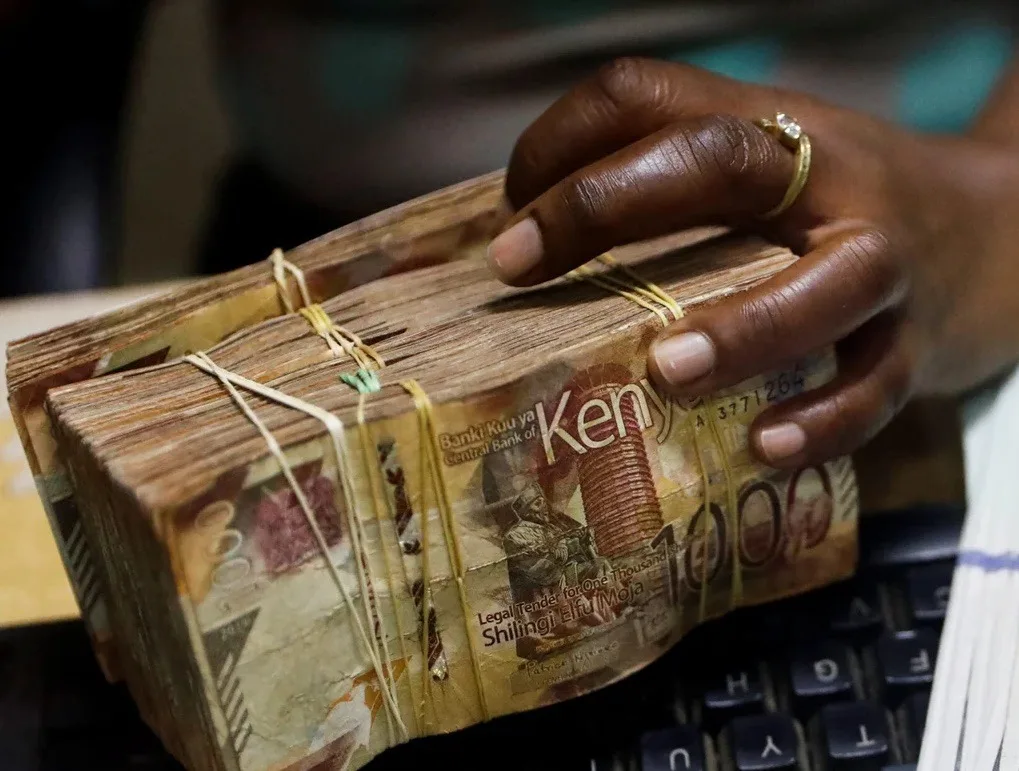
The exercise began at the Ministry of Education on Monday, October 19, after a directive requiring employees to present themselves for verification. According to the Daily Nation, staff were instructed to carry their original national identity cards, Kenya Revenue Authority PIN certificates and appointment letters to establish whether their employment details matched official records.
The exercise comes months after a government audit uncovered suspected payroll irregularities across 12 of Kenya's 53 state departments. The findings pointed to unauthorised changes to employee records, questionable salary payments and weaknesses in the systems used to manage the public wage bill.
In its July 9 report, the Daily Nation reported that the Ministry of Public Service had handed the audit findings and forensic reports to the Directorate of Criminal Investigations (DCI) for further investigations. The authorities are seeking to establish how the suspected irregularities occurred, who benefited and whether public funds can be recovered.
The investigation has since reached human resource departments in several government institutions. On October 16, Public Service Cabinet Secretary Geoffrey Ruku ordered 84 human resource officers drawn from the Kenya Prisons Service, Kenya Police Service and two departments within the Ministry of Health to step aside for 30 working days.
Citizen Digital reported that the officers had been implicated in suspected payroll irregularities and had their access to the government payroll system withdrawn as investigations continued. The measure is intended to protect the system while detectives examine the allegations. However, the allegations against the officers have yet to be established through the investigation.
The scale of the suspected irregularities has raised further concerns about how employee information is entered, checked and approved before salaries are paid.
According to The Star, the forensic audit identified weaknesses in payroll management, including questionable changes to employee records and deficiencies in the controls governing government salary payments. The investigation is expected to examine payroll transactions and establish whether the system was deliberately manipulated.
Some of the reported discrepancies are particularly troubling. The Daily Nation has reported cases in which employment records indicated that some workers had been recruited before they were born or before attaining the age of 18. Investigators are also examining records involving shared bank accounts and payments to individuals whose files lacked valid bank account details. These findings raise questions about the checks used to verify employees before they enter the public payroll.
The latest action also follows concerns raised in earlier reporting about weaknesses in government payroll management. In an investigation published in July, the Daily Nation examined how ghost workers and other questionable employment records could allow public money to be paid to individuals who were not entitled to receive it. The report highlighted the need for stronger verification procedures and more effective oversight.
Meanwhile, The Standard reported on October 18 that the 84 human resource officers had been sent on forced leave as the government pursued the suspected KSh6.2 billion fraud. Its coverage also revisited an earlier investigation into questionable payroll transactions within the State Department for Correctional Services, illustrating that concerns about payroll controls had surfaced before the latest nationwide verification exercise.
For employees, the immediate concern is whether their records will pass the new checks. The Ministry of Education's instructions require staff to present themselves for verification, including those on authorised leave or who are hospitalised. The exercise is therefore intended to account for legitimate employees as well as identify discrepancies, rather than simply remove names that are difficult to verify immediately.
The government has also signalled that the investigation will extend beyond the initial audit. The DCI is expected to establish how the suspected irregular payments were processed and identify individuals who may have facilitated them. Any criminal responsibility will need to be established through evidence.
At the centre of the matter is a question that goes beyond the KSh6.2 billion figure: how did such extensive discrepancies appear in government payroll records, and why were the existing checks unable to prevent them?
The physical headcount could help establish whether the government's employment records accurately reflect its workforce. But its lasting significance will depend on what follows: whether questionable payments are explained, public funds are recovered where losses are proved, and those found responsible are held accountable.
For taxpayers, the test will not simply be how many employees are verified. It will be whether the exercise closes the loopholes that allowed the suspected irregularities to occur in the first place.



Comments
No approved comments yet.