

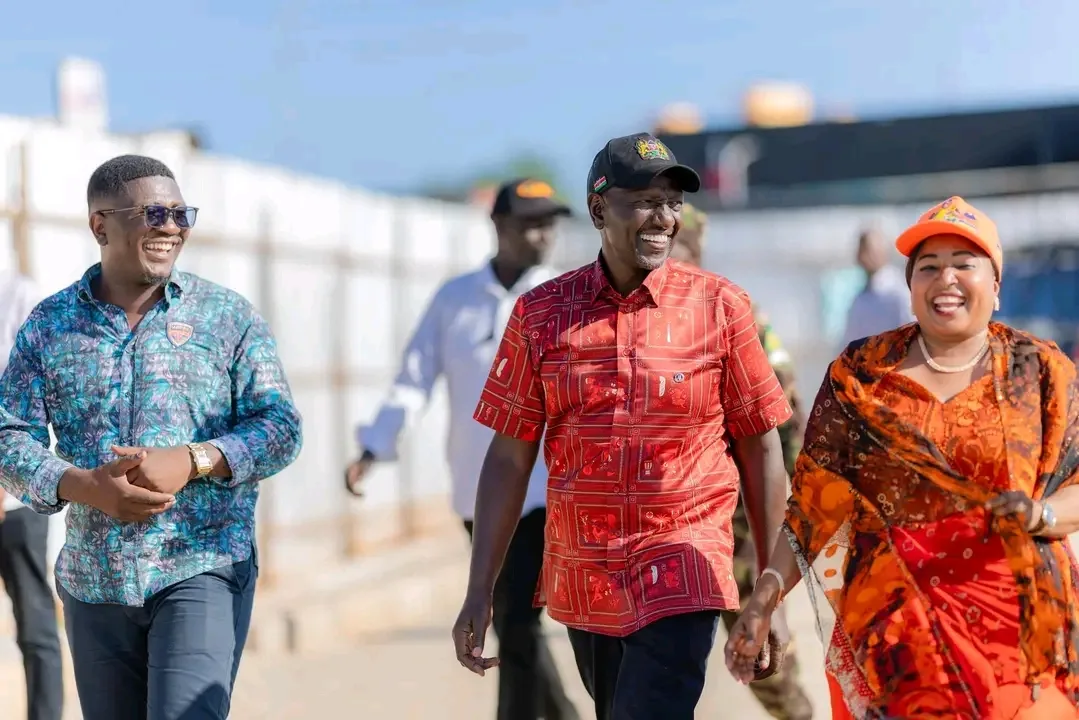
Ruto said the projects are intended to improve connectivity and strengthen Mombasa’s position as a regional logistics and economic hub.
“We are undertaking ambitious programmes to expand and modernise our road, railway, water and electricity infrastructure, creating the foundation for greater investment, trade and opportunity,” Ruto said.
The President made the remarks while inspecting several ongoing projects in Mombasa, including the Likoni Ferry passenger terminal and the 1,500-unit Likoni Heights Affordable Housing Project.
Here are seven things Kenyans need to know about the projects.
1. KSh70 billion for 200 kilometres of Mombasa roads
Ruto said the government is investing KSh70 billion to upgrade 200 kilometres of roads across Mombasa County.
The investment is expected to improve movement within the city and support access to major economic facilities, including the Port of Mombasa.
The government has previously identified road infrastructure as a key component of its wider transport expansion programme. The State Department for Roads says the national programme includes thousands of kilometres of new and upgraded roads over the next decade.
2. Likoni Ferry terminal is being modernised
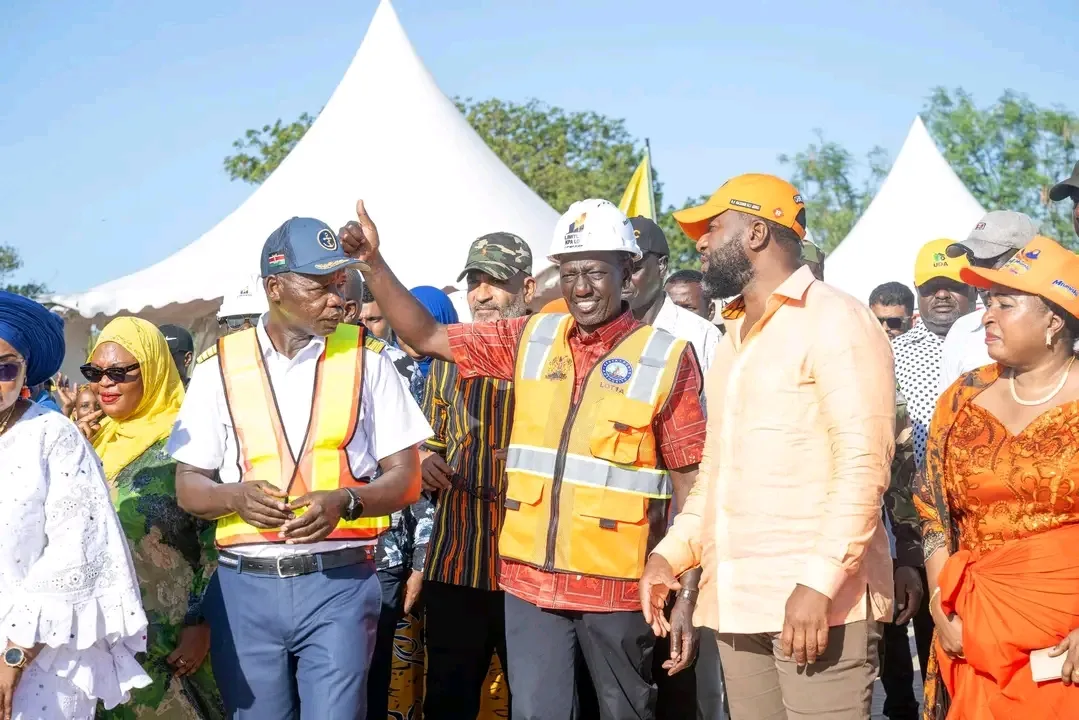
Ruto also inspected construction works at the Likoni Ferry passenger terminal, a major transport facility serving people travelling between Mombasa Island and the South Coast.
The President said the new terminal is designed to serve 4,000 vehicles and 500,000 pedestrians daily.
The scale of the planned facility reflects the heavy demand at the Likoni crossing, which remains one of the most important transport links between Mombasa Island and the mainland.
Parliamentary records have previously put daily pedestrian traffic at around 500,000, while vehicle numbers have been affected by the opening of the Dongo Kundu Bypass.
3. The terminal is expected to be completed in March 2028
According to Ruto, construction of the new passenger terminal is expected to be completed in March 2028.
The project is intended to provide a more organised facility for passengers and improve the overall experience at one of Kenya's busiest ferry crossings.
Previous plans for the Likoni crossing have also focused on improving traffic circulation, passenger facilities and the organisation of businesses around the terminal.
4. Small-scale traders will get dedicated spaces
The new terminal will not only focus on transport.
Ruto said the project will also provide decent spaces for small-scale traders, potentially giving businesses operating around the ferry crossing a more organised environment.
This is significant because the Likoni crossing is not only a transport point but also an important commercial centre serving commuters, traders and businesses.
Earlier plans for upgrading the crossing included hundreds of spaces for informal traders as part of efforts to integrate economic activity into the new facility.
5. The government is also building 1,500 affordable homes
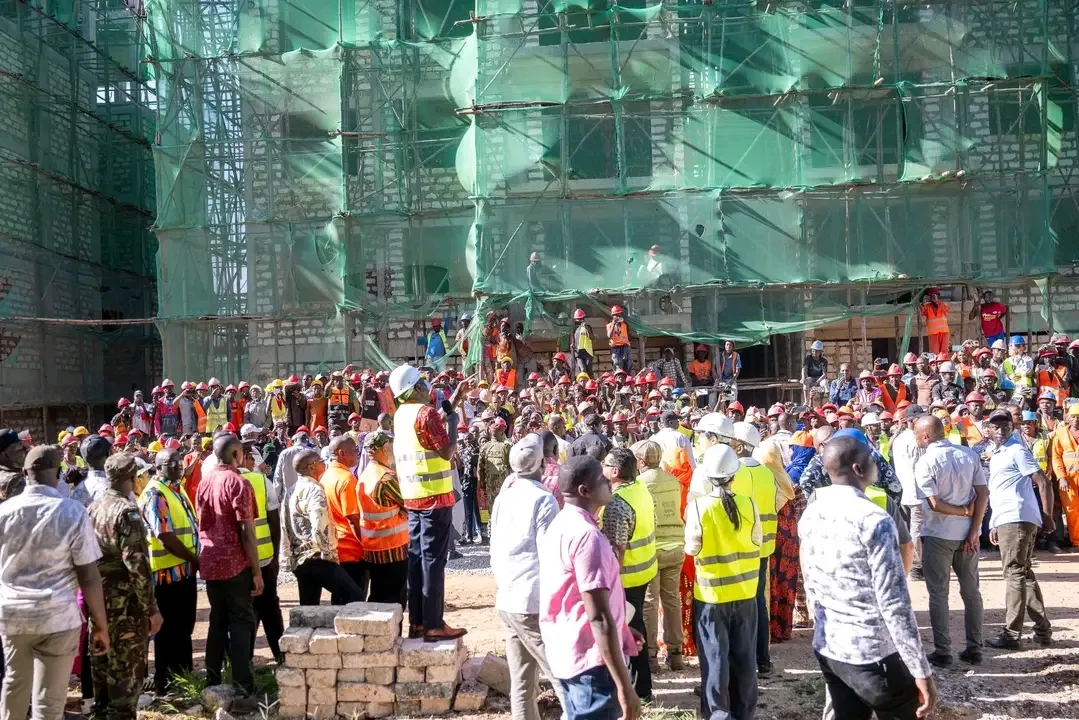
During his Mombasa tour, Ruto inspected the 1,500-unit Likoni Heights Affordable Housing Project.
The development forms part of the government's Affordable Housing Programme, which has been rolled out in several parts of the country.
The housing projects are also linked to the government's wider plan to create construction-related employment and provide lower-cost housing to eligible Kenyans.
6. Likoni remains a key transport bottleneck
The investment comes as the government continues looking for ways to improve movement between Mombasa Island and the South Coast.
The Dongo Kundu Bypass, which provides an alternative route around Mombasa Island, has already diverted a significant share of vehicle traffic that previously relied on the ferry. Parliamentary records said the bypass had diverted more than 60 per cent of the vehicles previously using the Likoni crossing.
Despite this, the ferry remains heavily used by pedestrians and motorists.
Earlier in 2026, Ruto also announced a KSh3 billion new ferry for the Likoni crossing, with the government saying it would help reduce congestion.
7. Mombasa is being positioned as a regional logistics hub
Ruto's infrastructure programme goes beyond individual roads and the ferry terminal.
The President said the government's broader investment in roads, railways, water and electricity is intended to create the infrastructure required for increased investment, trade and economic activity.
Mombasa's strategic position around the Port of Mombasa makes transport infrastructure particularly important for the movement of goods into Kenya and neighbouring countries.
The government has also been pursuing railway investments intended to strengthen connections between the Port of Mombasa and the wider East African region.
What the projects mean for Mombasa
The combination of the KSh70 billion road programme, Likoni Ferry terminal, affordable housing and other infrastructure projects represents a major concentration of public investment in Mombasa.
For residents, the key issues will be how quickly the projects are completed, whether they reduce congestion and how effectively the new infrastructure supports businesses, commuters and traders.
For the government, the stated objective is broader: to use infrastructure to strengthen Mombasa's role as a logistics and economic centre while creating opportunities for investment and employment.
Do you want to be published? E-mail info@thedailywhistle.co.ke or WhatsApp 0721930260

Comments
No approved comments yet.