

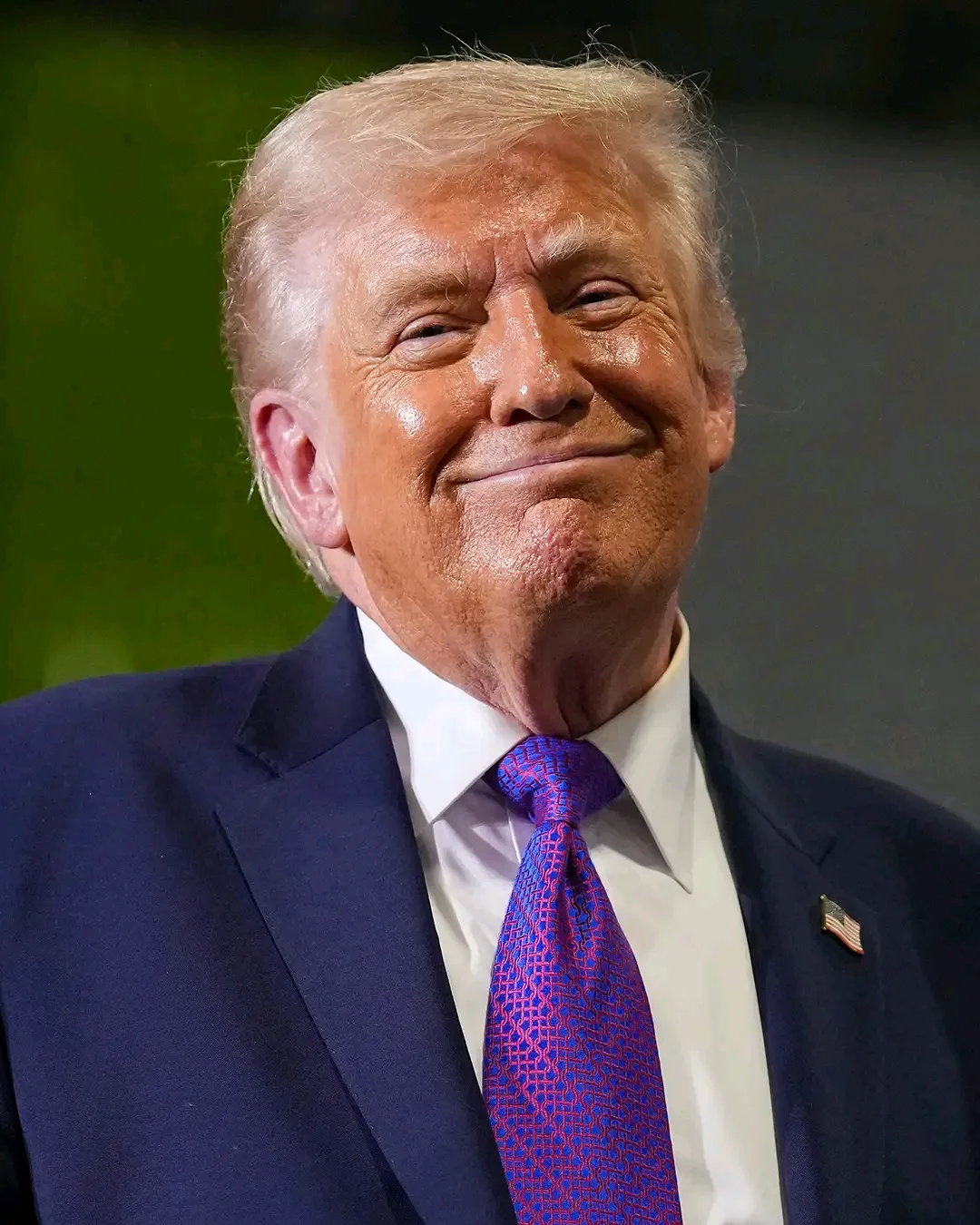
Trump made the remarks on Wednesday, September 9, as the conflict entered its seventh month and renewed fighting around the Strait of Hormuz sent international oil prices above $100 a barrel.
“I think war is going to end immediately after the election because they can't hold out any longer,” Trump said.
Trump accused Iran of attempting to influence the November 3 elections by prolonging the conflict, arguing that Tehran would eventually be unable to withstand the economic pressure being applied by Washington.
But for Kenya, the more immediate question is what the escalating conflict means for the price of fuel, transportation and everyday goods.
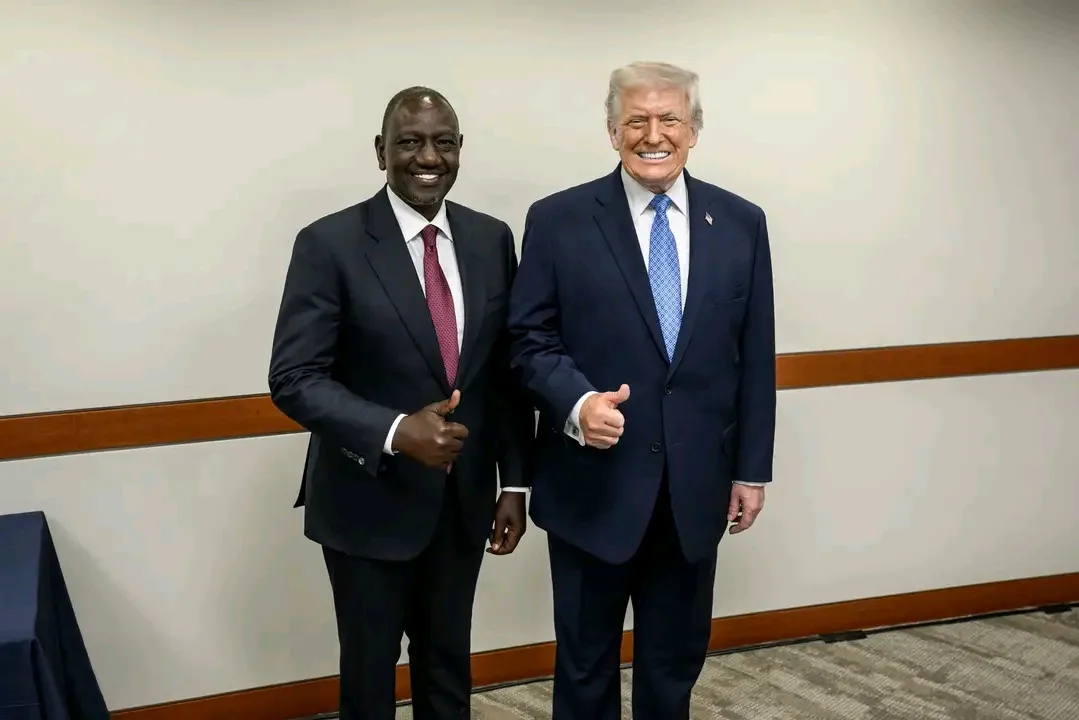
Why the $100 oil price matters to Kenya
Brent crude, the international oil benchmark, rose above $100 a barrel on Wednesday for the first time since July.
The surge was driven by escalating hostilities between the United States and Iran and growing fears of further disruption to oil supplies through the Strait of Hormuz, a critical global energy route. Brent eventually settled at about $101.21 a barrel.
For Kenya, sustained high international oil prices are important because petroleum products play a major role in transportation and the movement of goods.
When the cost of imported petroleum rises, the effects can extend beyond motorists.
Transport operators can face higher operating costs, businesses can spend more moving goods and consumers can eventually feel the impact through higher prices.
That means a prolonged Iran conflict could become an economic issue for Kenyan households even though the fighting is thousands of kilometres away.
What could happen to fuel prices in Kenya?
Trump's prediction is that the war will end after the US midterm elections and that oil prices will subsequently fall.
“Right after the election, oil prices are going to be tumbling downward,” Trump said.
However, he also acknowledged that prices could take longer to fall, meaning elevated energy costs could remain a problem through the election period.
For Kenya, any sustained increase in global petroleum prices could put upward pressure on domestic fuel costs.
However, it would be premature to say that petrol or diesel prices in Kenya will automatically rise by a specific amount.
Local pump prices are affected by several factors, including international petroleum prices, exchange-rate movements and the country's monthly petroleum pricing mechanism.
The Energy and Petroleum Regulatory Authority's current pricing framework therefore remains important in determining what Kenyan motorists ultimately pay at the pump.
Matatu fares could come under pressure
Fuel is one of the major operating expenses for public transport operators.
If fuel prices remain elevated for an extended period, matatu and other transport operators could face increased costs.
That could create pressure for higher fares on some routes, particularly if the increase in fuel costs becomes significant and persistent.
Higher transport costs would also affect people who do not own vehicles because millions of Kenyans rely on public transport to travel to work, school, businesses and markets.
For households already struggling with the cost of living, even relatively small increases in daily transport expenses can have a significant impact over time.
Food prices could also feel the pressure
The impact would not necessarily stop at the petrol station.
Fuel is required to transport agricultural produce from farms to markets and to move manufactured goods across the country.
Higher diesel costs can therefore increase transportation expenses throughout the supply chain.
That could eventually place additional pressure on the prices of food and other essential commodities.
The wider global impact is already becoming visible.
The Associated Press reported that the oil surge is raising concerns over transportation costs, consumer goods, food production and global inflation.
The Strait of Hormuz is at the centre of the crisis
One of the biggest concerns for global markets is the Strait of Hormuz.
The waterway is strategically important to international energy markets, and renewed fighting around it has increased fears of prolonged disruption to oil shipments.
Iran has claimed attacks on vessels near the strait following US strikes on Iranian oil tankers, while the conflict has continued to threaten commercial shipping.
The longer shipping remains disrupted, the greater the risk that oil prices could remain elevated.
That is where Kenya's vulnerability becomes more significant.
What if Trump is right?
If Trump's prediction proves correct and the conflict ends shortly after the November elections, global oil markets could begin to stabilise.
A reduction in geopolitical risk could encourage oil prices to fall, providing relief to countries dependent on imported petroleum.
For Kenya, cheaper international oil could eventually reduce pressure on fuel prices and transportation costs, depending on other domestic factors.
It could also help ease some inflationary pressure associated with expensive energy.
But there is an important caveat.
Trump's prediction is not a guarantee that the war will end in November.
What if the war continues?
A prolonged conflict would present a different scenario.
If fighting continues and oil supplies remain disrupted, crude prices could stay above $100 or climb even higher.
That would increase pressure on countries importing petroleum products and could deepen concerns over inflation.
For Kenya, such a scenario could mean continued pressure on fuel prices, transport costs and the cost of moving goods.
The impact would depend heavily on how long the disruption lasts and how international oil markets respond.
Trump's political deadline
Trump's prediction is also politically significant.
The November 3 US midterm elections are expected to be an important test of his presidency, with voters already facing higher fuel prices and concerns over the cost of living.
The president has linked the timing of the end of the war to the elections, saying Iran cannot continue fighting indefinitely.
But Vice President JD Vance has been more cautious, declining to predict when the conflict will end and stressing the uncertainty surrounding Iran's actions.
That difference highlights the uncertainty surrounding Trump's forecast.
For Kenya, however, the political outcome in Washington is only part of the story.
The bigger concern is what happens to global oil supplies.
What Kenyans should watch next
The coming weeks will therefore be important for Kenyan consumers.
Three developments will be particularly important: the direction of international crude prices, the security of oil shipments through the Strait of Hormuz and the duration of the US-Iran conflict.
If tensions ease, oil prices could retreat and reduce some of the pressure on global energy markets.
If the conflict intensifies, however, Kenya and other oil-importing economies could face another round of energy-related cost pressures.
For now, Trump's declaration offers hope of an eventual end to the conflict.
But until the fighting actually stops, the impact of the war will continue to be felt far beyond Iran and the United States.
For Kenyans, the next battlefield may not be in the Middle East.
It could be at the fuel pump, in public transport fares and in the prices of everyday goods.
Do you want to be published? E-mail info@thedailywhistle.co.ke or WhatsApp 0721930260


Comments
No approved comments yet.