

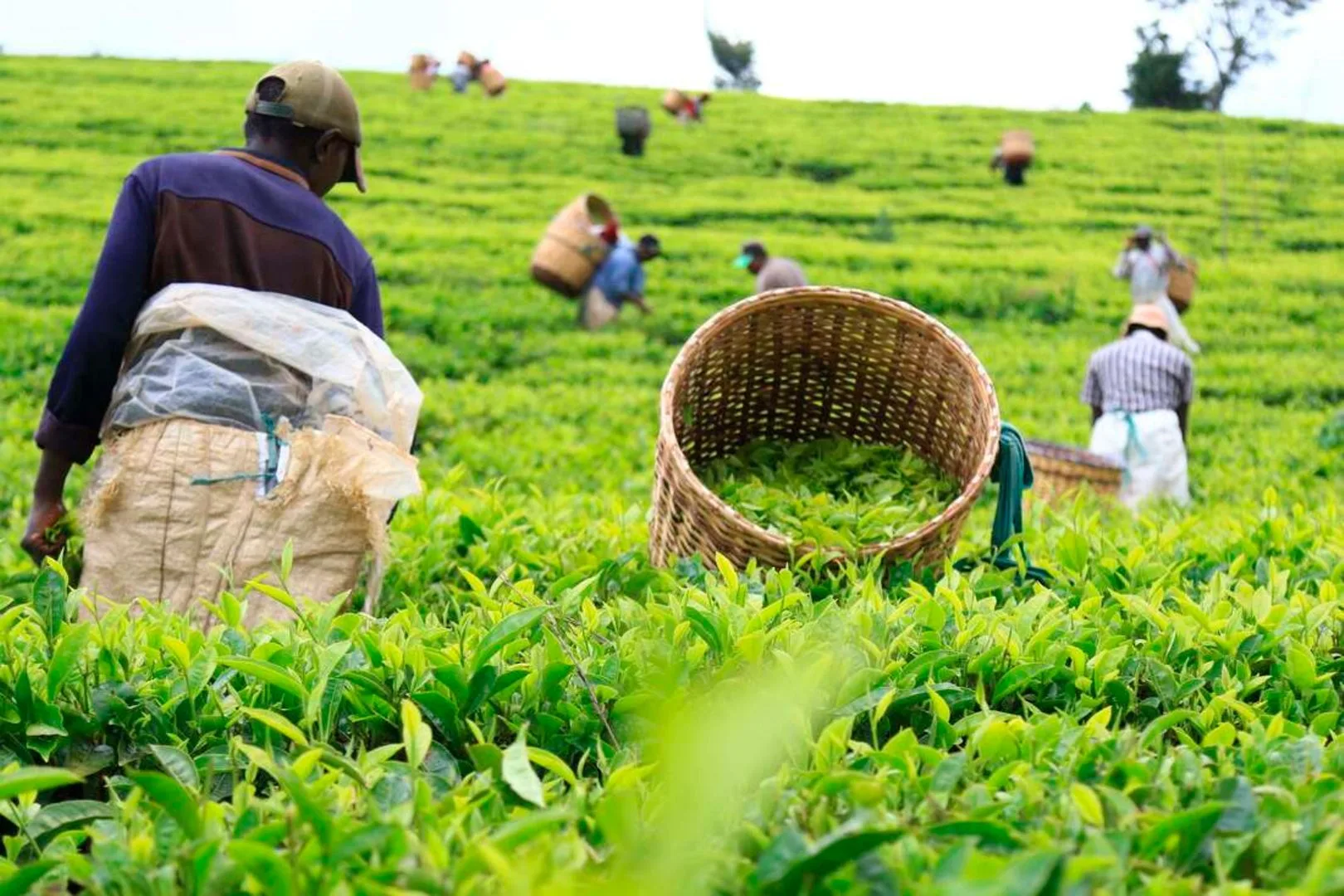
Tea factories have started declaring the second payment to farmers for the 2025/2026 financial year, with several factories announcing lower bonuses than those paid in the previous financial year. The declarations come after KTDA-managed factories reviewed their revenues, production costs and other expenses for the year ended June 30, 2026.
According to The Standard, farmers supplied 1,094,710,523.06 kilogrammes of green leaf for processing during the period under review, down from 1,144,364,053.46 kilogrammes recorded in the 2024/2025 financial year. Factory directors considered income from tea sales alongside expenses such as electricity, management fees, petroleum and employees’ salaries before determining the payments.
The Standard reported that the tea industry faced several challenges during the financial year, including disruption of shipping routes through the Strait of Hormuz and increased petroleum costs. Tea value-chain experts also linked the difficult trading environment to delays in getting tea to international markets and pressure on prices.
Another issue highlighted in the report was the 0.8 per cent tea export levy introduced in May 2025. The Standard reported that industry players had raised concerns that the additional charge increased the cost of Kenyan tea in international markets, affecting the ability of buyers to absorb some premium teas.
KTDA Holding Chairman Enos Njeru announced several of the latest payments, with Rukuriri Tea Factory declaring Sh50 per kilogramme of green leaf, Mungania Sh43.80 and Kathangariri Sh40. The Standard reported that Njeru said individual factory boards determine their payments after evaluating their financial performance, including revenue and expenditure.
At Gathuthi Tea Factory, chairman Hosea Kimamo announced a payment of Sh47.50 per kilogramme. The Standard reported that the factory board reached the figure after analysing expenditure against income and confirming that its accounts for the financial year had been audited and finalised.
Sacco Review reported that other factories had also announced their rates, including Ngere at Sh48 per kilogramme, Njunu at Sh45.20, Makomboki at Sh45, Momul and Gitugi at Sh40.50 each, Nduti at Sh40, Chinga at Sh36, Weru at Sh34.70, Mataara at Sh33.50, Iriaini at Sh33, Kiru at Sh31, Githambo at Sh30.30 and Kanyenyaini at Sh30.
In the western tea-growing region, Sacco Review reported that Gianchore declared Sh18 per kilogramme while Kaptumo announced Sh12.50. The publication also noted that Momul’s Sh40.50 payment was higher than the Sh32.50 declared by the factory in the previous year, showing that the movement in bonuses has not been uniform across all factories.
The latest figures remain below some of the payments declared during the 2024/2025 financial year. The Standard reported that Rukuriri paid Sh57.50 per kilogramme last year, followed by Mununga at Sh57, Gathuthi and Imenti at Sh56 each, Ngere at Sh53.10, Gacharage at Sh51.10, Mungania at Sh51, Kathangariri at Sh50.50, Kiegoi at Sh50.20, Githongo at Sh50.10 and Njunu at Sh50.
The tea market has also experienced pressure from reduced returns at the auction. In June, The Standard reported that the 0.8 per cent tea levy had affected returns and that some buyers were shifting attention towards tea from other producing regions and neighbouring countries, raising concerns among farmers about the eventual bonus payments.
Tea value-chain expert Peter Karomo previously told The Standard that factory directors had encouraged buyers to purchase tea at reduced prices because of concerns that unsold stocks could accumulate in warehouses. The latest bonus declarations therefore reflect not only the amount of green leaf delivered by farmers but also the revenue factories generated and the costs incurred during processing and marketing.
KTDA has also warned farmers against relying on unofficial bonus lists circulating online. Africa Check reported on September 29 that KTDA had dismissed a widely circulated image listing supposed bonus rates as fake, with the agency saying that individual factories would announce their payments on dates agreed with their respective boards.
The clarification means farmers are expected to rely on announcements from their respective factory boards rather than social media lists. KTDA is owned by about 600,000 smallholder tea farmers across 16 counties and manages tea production, processing and marketing through its network of factories.
The latest declarations are expected to determine the second payment received by thousands of tea farmers as the 2025/2026 financial year payments are finalised. Farmers will continue receiving their regular monthly green-leaf payments separately from the annual bonus, with the final amount varying from one factory to another based on its financial performance.



Comments
No approved comments yet.