

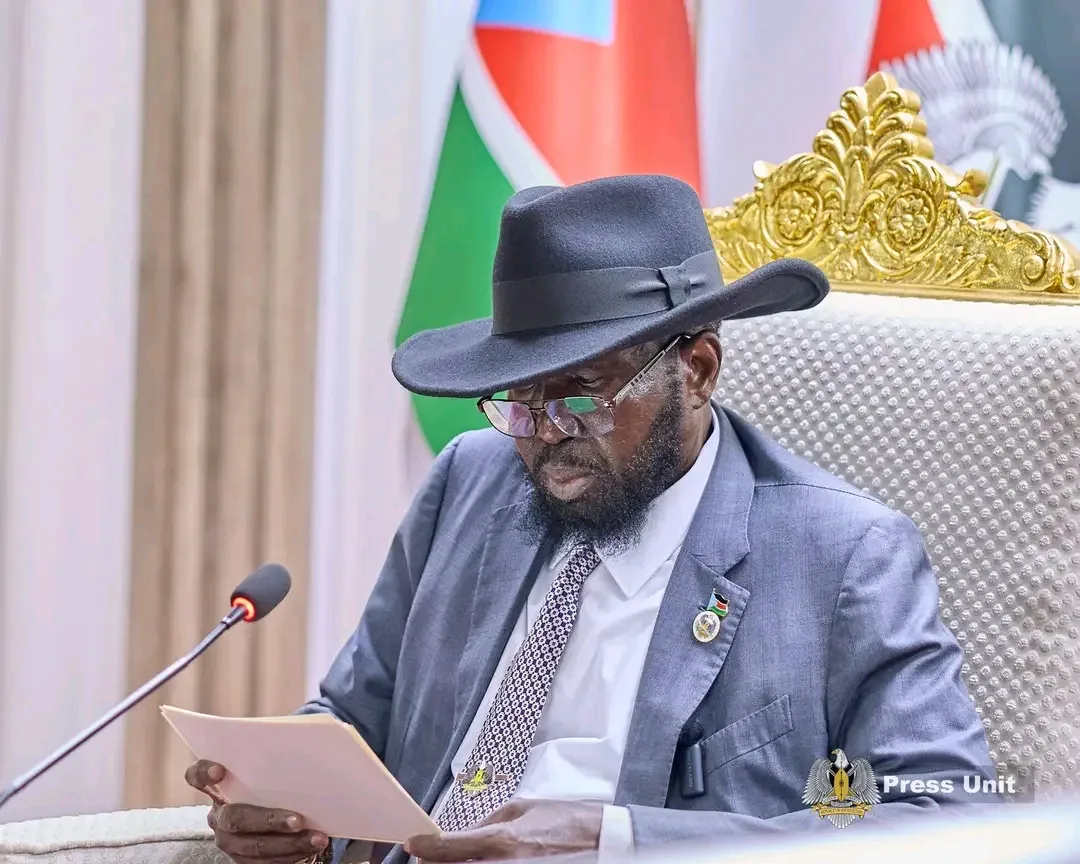
The dramatic political change has put Kiir at the centre of attention across East Africa as South Sudan moves closer to its first national election since gaining independence in 2011.
The development is also significant for Kenya because of the close political, security and economic ties between the two neighbouring countries and South Sudan’s membership of the East African Community.
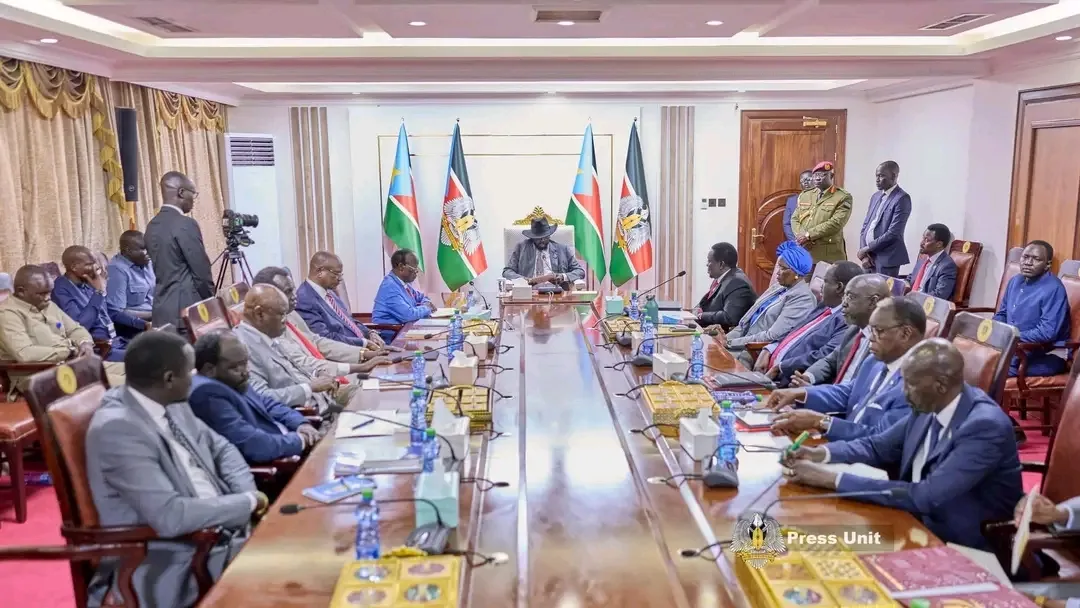
What happened in South Sudan?
Kiir dissolved the Revitalised Transitional Government of National Unity on September 22, ending a power-sharing arrangement created under the 2018 peace agreement.
The decree removed the country’s vice-presidents, ministers and local administrators, while the national and state assemblies were also dissolved.
Kiir, however, remains president and will retain executive powers during the election period until a newly elected president assumes office.
The move followed changes to South Sudan’s electoral laws that removed requirements for the completion of a permanent constitution and a national census before elections could be held.
The changes are intended to remove some of the obstacles that have contributed to repeated delays to the election.
Why is Salva Kiir trending?
The latest development has put Kiir at the centre of one of South Sudan’s most important political transitions since independence.
For many people searching for Kiir, the immediate question is what his decision means for the December election and for the country's political future.
The dissolution also changes the political arrangement created by the 2018 peace agreement, which brought Kiir and opposition leader Riek Machar into a transitional government after years of civil war.
South Sudan has postponed its elections twice since independence, making the December 22 vote particularly significant.
What happens to Riek Machar?
Riek Machar remains one of the central figures in South Sudan's political crisis.
Machar, who served as First Vice President under the transitional arrangement, is currently under house arrest and faces charges including treason and murder, which he denies.
His political position has become one of the major questions surrounding the December election.
The opposition has rejected aspects of the government's latest political and electoral changes, with opposition figures questioning whether the planned election can be genuinely competitive if major political actors are excluded from the process.
When is South Sudan's election?
South Sudan's presidential and general elections are scheduled for December 22, 2026.
The election is expected to mark the end of the country's prolonged transitional period.
Under the amended electoral framework, Kiir will remain in office during the election period until the next elected president is sworn in.
The government has presented the changes as part of preparations for the long-delayed vote.
However, opposition groups and rights organisations have raised questions about political inclusion, security, electoral institutions and whether all necessary conditions will be in place before voting begins.
Why the development matters to Kenya
South Sudan's political stability matters directly to Kenya.
The two countries have strong economic and regional links, while Kenya has historically played an important role in South Sudan's peace and diplomatic processes.
South Sudan is also a member of the East African Community.
The EAC has begun consultations in South Sudan on a proposed political confederation, with the process taking place as the country prepares for its December election.
That means developments in Juba are being watched not only within South Sudan but also across the wider East African region.
For Kenya, a peaceful political transition in South Sudan could have implications for regional trade, transport, security and diplomatic relations.
Why the December election matters
The December election would be the first national election in South Sudan since the country became independent in 2011.
The country has faced years of political instability and a devastating civil war, making the transition to an elected government particularly sensitive.
The current challenge is therefore not simply getting voters to the polling stations.
Questions remain over political participation, the status of opposition leaders, electoral institutions, security and the implementation of the 2018 peace agreement.
Reuters reported that the changes to the electoral law removed key requirements that had previously stood in the way of holding the vote.
But the opposition and rights groups have questioned whether the political environment will allow for a genuinely competitive election.
What happens next?
The immediate focus will shift to the caretaker administration and its preparations for the December 22 election.
Political parties will also face pressure to participate in the electoral process and resolve disagreements over the rules governing the vote.
The status of Riek Machar and the participation of opposition forces will remain closely watched as the election approaches.
The EastAfrican reported that opposition figures have already raised concerns about the inclusiveness of the electoral process, while regional peace monitors have continued to call for dialogue and credible elections.
For Salva Kiir, the coming months will therefore be crucial.
His government has cleared some of the legal hurdles that previously delayed South Sudan's election.
But the bigger test will be whether the country can move from its transitional political arrangement to an election that is accepted by the country's major political actors.
For Kenyans following the developments, the key takeaway is simple: Salva Kiir has dissolved South Sudan's transitional government as the country moves toward its December 22 election, fundamentally changing the political structure ahead of the vote.
Comments
No approved comments yet.