

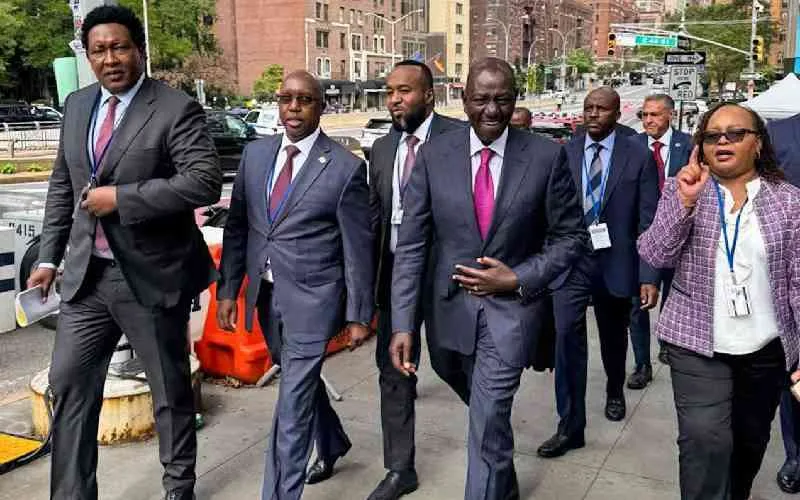
The controversy intensified after some of the Cabinet Secretaries were unavailable for a scheduled Senate sitting in Kilifi, where senators were seeking answers on issues affecting government ministries and residents.
According to The Standard, seven Cabinet Secretaries travelled with President Ruto for the UNGA engagements. They include Prime Cabinet Secretary Musalia Mudavadi, Lands CS Alice Wahome, Mining and Blue Economy CS Hassan Joho, Energy and Petroleum CS Opiyo Wandayi, Investments, Trade and Industry CS Lee Kinyanjui, Education CS Julius Migos Ogamba and ICT and Digital Economy CS William Kabogo.
The size of the delegation became a subject of debate in the Senate on September 23, when Education CS Julius Ogamba, Mining and Blue Economy CS Hassan Joho and ICT CS William Kabogo were unavailable to respond to questions because they were in New York with the President.
The Daily Nation reported that senators were divided over the decision, with some questioning whether having several Cabinet Secretaries abroad at the same time affected the Executive’s ability to respond to parliamentary business.
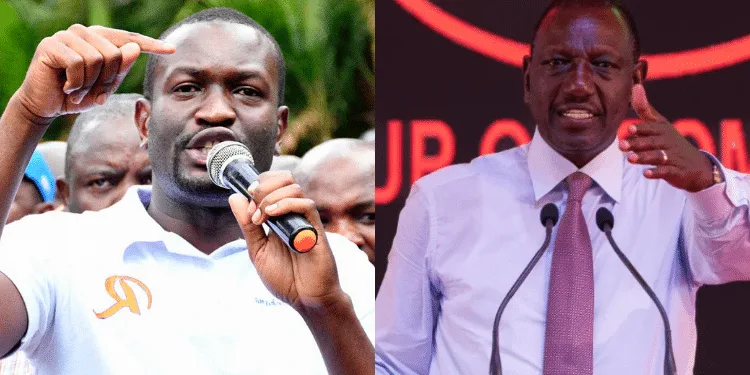
Kakamega Senator Boni Khalwale was among those who questioned the arrangement, arguing that the presence of seven Cabinet Secretaries in New York raised both governance and financial questions.
Khalwale also pointed to the cost of air tickets, security and other expenses associated with a large presidential delegation, according to The Star and Capital FM.
Nairobi Senator Edwin Sifuna separately raised concerns over the absence of Mining and Blue Economy CS Hassan Joho, saying senators had expected to engage him on concerns raised by fishermen, young people and residents during Senate committee activities in Kilifi.
The timing was particularly notable because the Senate was holding its five-day Senate Mashinani sitting in Kilifi from September 21 to 25, an initiative designed to take parliamentary business closer to citizens and give residents an opportunity to engage directly with their representatives. The official Parliament website confirmed that the Kilifi sitting brought Senate plenary and committee activities outside Nairobi.
The government, however, has defended the participation of Cabinet Secretaries in the New York meetings. Foreign Affairs Principal Secretary Korir Sing’oei said before the trip that relevant Cabinet Secretaries would accompany the President to advance Kenya’s interests in areas including debt sustainability, climate finance, digital trade and regional security.
President Ruto’s UNGA programme has also included engagements focused on investment, technology, energy, global financial reforms and Kenya’s wider diplomatic agenda. Citizen Digital reported that the President travelled to New York to champion increased investment in Africa, artificial intelligence and reforms to the global financial system.
The President has also used the New York visit to promote Kenya as an investment destination and launched the Kenya Diaspora Impact Platform, aimed at connecting Kenyans abroad with investment, expertise and development opportunities at home.
The debate, therefore, is not simply about whether Kenya should participate in the United Nations General Assembly. It centres on the size of the delegation, the responsibilities of officials who travelled and whether the government can demonstrate clear outcomes from their participation.
Questions over the overall cost of the trip are also likely to continue until the government provides a detailed breakdown covering travel, accommodation, allowances, security and other expenses incurred by the delegation.
For taxpayers, the key issue will ultimately be whether the international engagements produce measurable diplomatic, economic and investment benefits while essential government and parliamentary business continues at home.

Comments
No approved comments yet.