

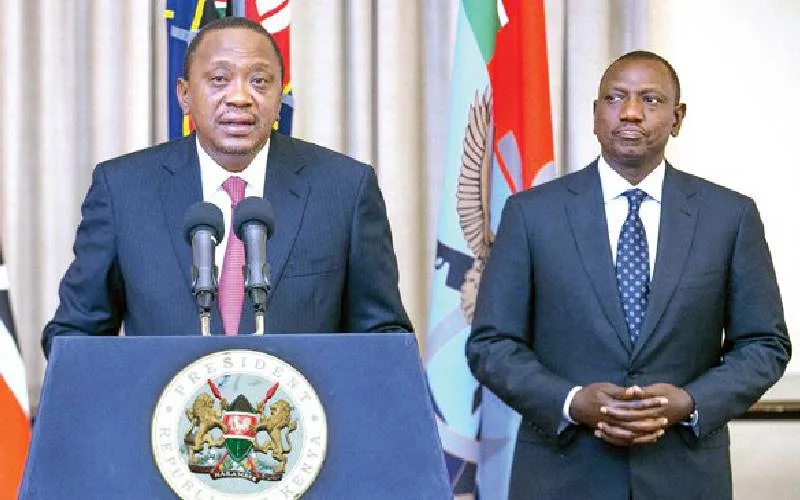
Former President Uhuru Kenyatta has claimed that the late former Prime Minister Raila Odinga won the 2022 presidential election, while former Cabinet Secretary Moses Kuria has separately claimed that Odinga won the 2007 and 2013 presidential contests.
The remarks made on Tuesday, September 22, 2026, have renewed debate over Kenya's previous presidential elections and the electoral safeguards being put in place ahead of the 2027 General Election.
Uhuru Says Raila Won 2022
Speaking during a Jubilee Party meeting in Nairobi, Uhuru said he believes Odinga won the 2022 presidential election despite William Ruto being declared the winner.
Uhuru also said he did not want what happened during the 2022 election to be repeated, according to reports by Kenyan media outlets including Citizen Digital, The Standard, The Star and People Daily.
The former President's claim differs from the official election record. The Independent Electoral and Boundaries Commission declared Ruto the winner with 7,176,141 votes, representing 50.49 per cent, while Odinga received 6,942,930 votes, representing 48.85 per cent.
The Supreme Court subsequently dismissed the petitions challenging the 2022 presidential election and upheld Ruto's victory.
Uhuru's remarks have attracted criticism from some of Ruto's allies. Nandi Senator Samson Cherargei was among those who responded, criticising the former President and calling for investigations into matters he associated with the previous administration.
Kuria Revisits 2007 and 2013
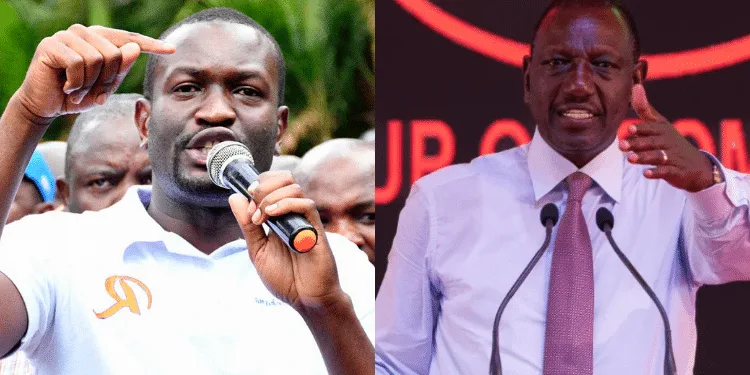
Hours after Uhuru's remarks, Moses Kuria also weighed in on Kenya's history of multiparty presidential elections.
Kuria claimed that Raila Odinga won the 2007 and 2013 presidential elections, adding, "Ni hayo tu." His remarks were reported by People Daily and Tuko.
Kuria also referred to the Supreme Court's 2017 decision to annul the presidential election, arguing that the decision was based on technicalities while maintaining that Uhuru Kenyatta had won the election.
The comments have added to renewed public discussion about Kenya's previous elections as political parties and institutions prepare for the 2027 General Election.
High Court Rules on National Tallying Centre
The political debate came on the same day that the High Court delivered a ruling concerning the IEBC's national tallying and verification of presidential election results.
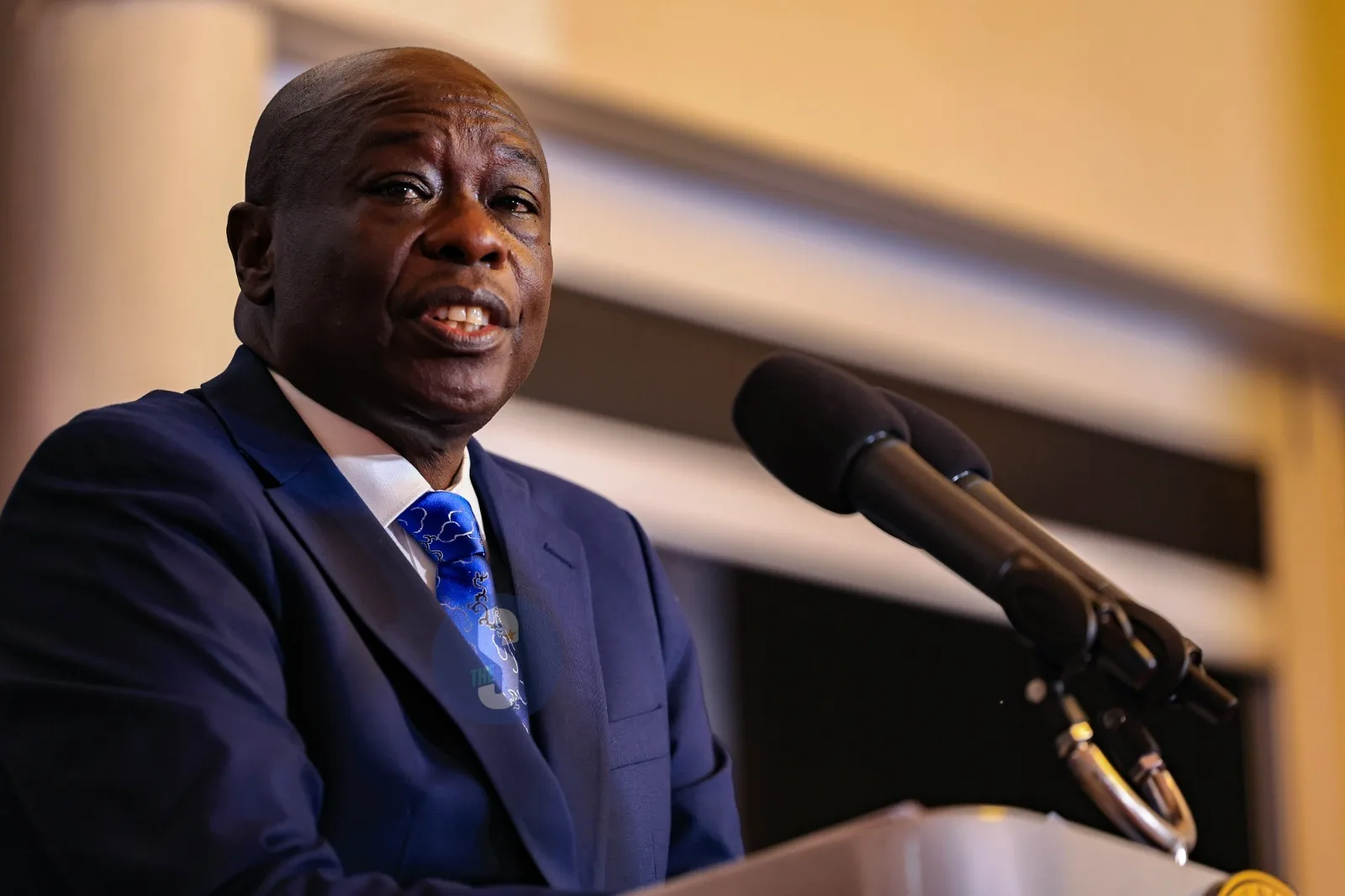
Justice Gregory Mutai dismissed a petition challenging the legality of the IEBC's national tallying and verification process. The petition was filed by Busia Senator Okiya Omtatah alongside Kalonzo Musyoka and Rigathi Gachagua.
The court held that the IEBC has a constitutional responsibility to tally and verify presidential results at the national level. It also clarified that the national verification process does not give the commission authority to alter results already declared and certified by constituency returning officers.
The court further directed that certified constituency result forms remain the primary reference documents during national aggregation. Where discrepancies arise between electronically transmitted results and physical records, the discrepancies are to be documented, explained and made public before the final presidential result is declared.
The ruling therefore provides further clarity on the legal framework governing presidential tallying ahead of the 2027 election.
What the Developments Mean for 2027
Uhuru's remarks about the 2022 election, Kuria's claims concerning earlier presidential contests and the High Court ruling have once again placed Kenya's electoral system at the centre of public discussion.
The court decision does not determine whether the 2027 election will be free and fair. Instead, it clarifies the respective roles of constituency returning officers and the IEBC during the national verification and tallying of presidential results.
As the 2027 General Election approaches, attention is expected to remain focused on election technology, results transmission, tallying procedures, the role of the IEBC and the legal mechanisms available to candidates and political parties when election results are disputed.
The latest developments leave Kenyan voters with an important question: what additional measures will be necessary to strengthen confidence in the 2027 presidential election, regardless of which candidate eventually wins?

Comments
No approved comments yet.