

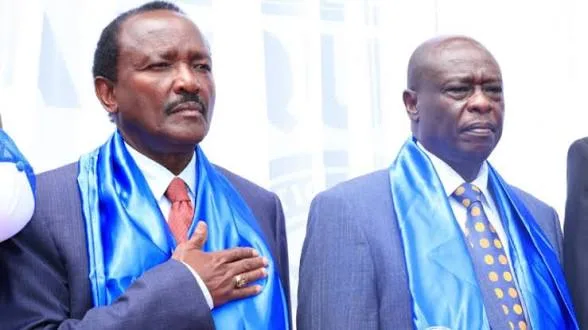
The developments have intensified political tensions between President William Ruto's administration and opposition figures led by former Deputy President Rigathi Gachagua, Wiper Party leader Kalonzo Musyoka, former Chief Justice David Maraga and Nairobi Senator Edwin Sifuna.
According to a report published by the Daily Nation on Friday, November 20, the opposition leaders issued their demands after dramatically walking out of a high-level consultative meeting organised by IEBC in Nairobi on Thursday.
The meeting had been convened to discuss preparations for the 2027 elections, but the opposition leaders accused the commission of failing to incorporate their concerns into the discussions.
The first major demand concerns the national voters' register.
The opposition wants IEBC to conduct an independent and comprehensive audit of the register and biometric records to identify deceased voters, duplicate entries and other irregularities.
The leaders also want every eligible Kenyan to have an opportunity to register and verify their voting details before the next election.
They argue that the existing voter verification portal is insufficient and want the full register published in a format that allows political parties, election observers and members of the public to scrutinise it.
The second demand could significantly change how presidential election results are handled in Kenya.
The opposition wants the abolition of the national presidential tallying centre at Bomas of Kenya, proposing that presidential results declared at constituency level should form the basis of the final outcome.
Under their proposal, the national tallying centre would only receive, aggregate and announce results already declared at constituency level.
The leaders also want the results transmission system redesigned to provide independent servers for each of Kenya's 290 constituencies and the diaspora vote.
They argue that political parties, candidates and media organisations should receive read-only access to transmitted results to improve transparency.
The third demand concerns election technology, an issue that has raised additional questions about the commission's preparedness.
The opposition wants greater transparency in the procurement, testing and auditing of election technology ahead of the 2027 polls.
Their proposals include independent testing of Kenya Integrated Election Management System (KIEMS) kits, public simulations and security assessments involving political parties and candidates.
They also want safeguards to ensure that electronic election records cannot be altered without detection.
The fourth demand concerns the introduction of electronic voting for Kenyans living abroad.
The opposition wants IEBC to explore secure electronic voting to allow eligible citizens in the diaspora to participate without having to travel to designated polling centres.
The fifth demand involves stronger accountability and transparency throughout the electoral process.
The leaders want voting, counting and announcement of results livestreamed from polling stations and tallying centres.
They are also proposing tougher penalties for serious electoral offences, including a minimum five-year prison sentence without the option of a fine for specified violations by election officials.
Additionally, they want transparent recruitment and vetting of returning officers and county election managers, alongside independent auditing of ballot printing and distribution.
The proposals have attracted national attention because they touch on some of the most contested aspects of Kenya's previous electoral processes.
However, the opposition's demands are proposals requiring consideration through the relevant legal and institutional processes. Their implementation is not automatic.
The confrontation has also attracted a response from President William Ruto, who has criticised the opposition for walking out of the IEBC meeting.
Speaking in Funyula, Busia County, on Friday, November 20, during his Western Kenya development tour, the President accused opposition leaders of transferring their internal political disagreements to the electoral commission.
According to Citizen Digital's November 20 report, Ruto challenged his political rivals to concentrate on identifying their presidential candidate, developing policies and presenting an alternative agenda to Kenyans instead of directing their frustrations at IEBC.
The President maintained that political leaders should allow the commission to organise the elections and focus on convincing voters.
People Daily also reported on Friday that Ruto questioned why opposition leaders were confronting IEBC over electoral preparations when they had not settled on a common presidential candidate.
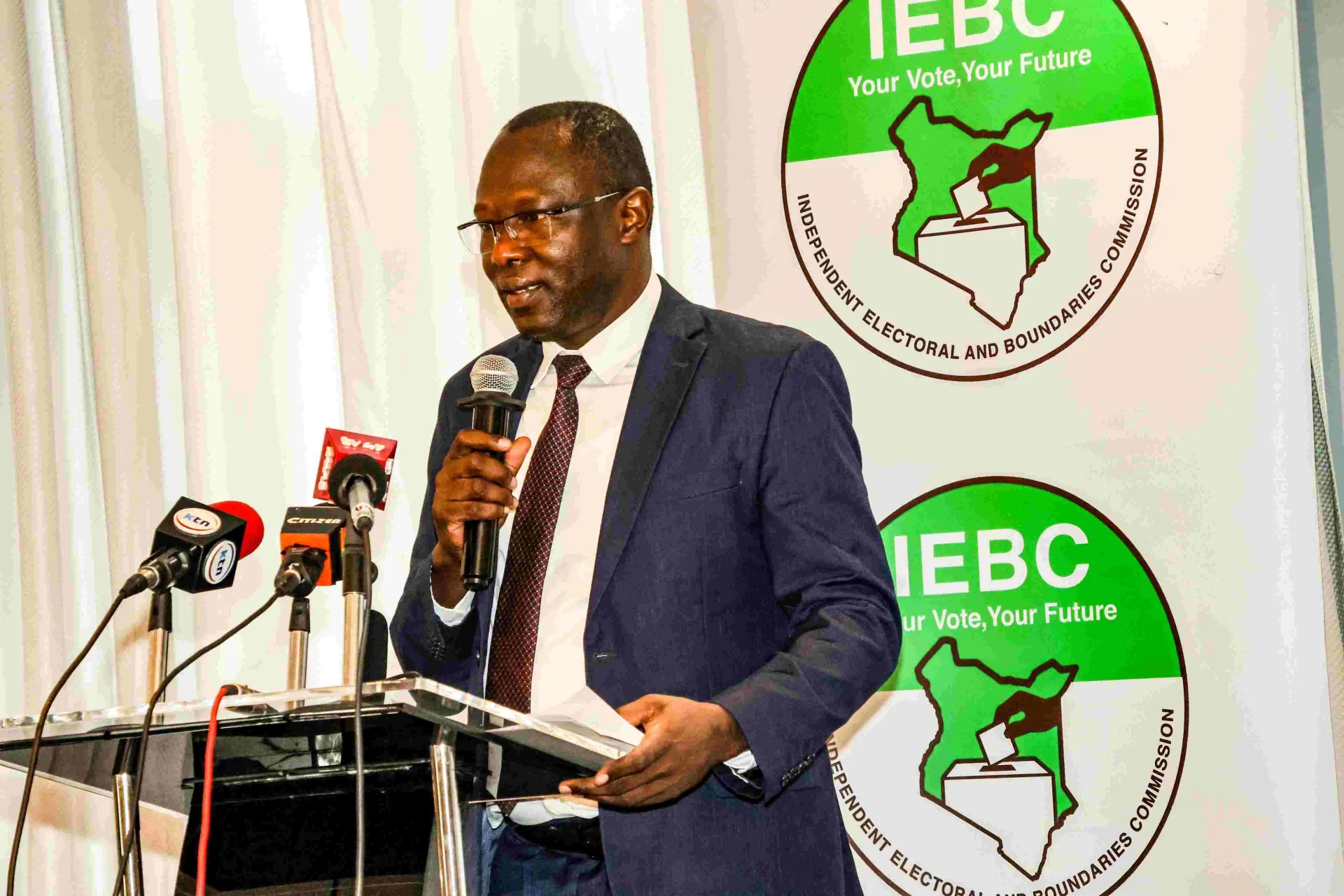
Meanwhile, The Standard reported that the opposition's walkout followed disagreements over the agenda presented by IEBC Chairperson Erastus Edung Ethekon.
The commission's chairperson regretted the decision by opposition leaders to leave the meeting, explaining that the forum had been organised to discuss electoral preparedness and provide an opportunity for political parties to raise their concerns.
Ethekon also disclosed that procurement of election technology equipment had already been initiated but was facing delays arising from court proceedings.
The recruitment of a chief executive to head the commission's secretariat had similarly been affected by litigation.
Capital FM, in its November 19 coverage of the opposition's proposals, also highlighted the coalition's push for major amendments to the Elections Act before the next General Election.
Pulse Kenya's November 20 analysis further examined the five areas of reform, including the legal implications of changing the presidential results transmission system.
With the August 2027 elections approaching, the growing disagreement raises important questions about whether IEBC will address the opposition's concerns and whether political parties can reach a common position on the safeguards needed for a credible election.
The next phase of engagement between the commission and political leaders could prove significant in determining how the country prepares for one of its most consequential political contests.
Comments
No approved comments yet.