

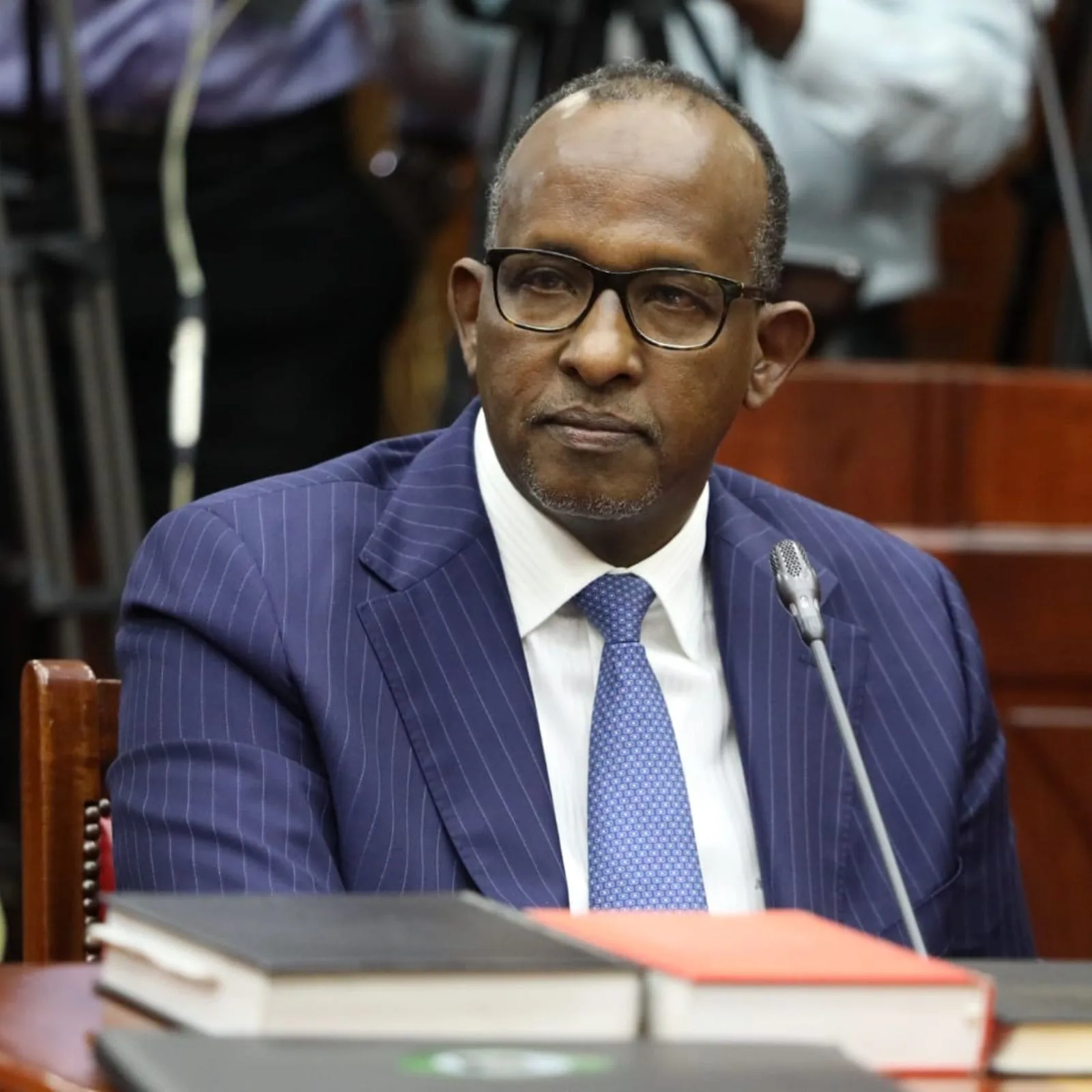
The development follows an emotional appearance by Makueni Governor Mutula Kilonzo Jr before the Senate Energy Committee, where he presented water samples collected from the affected river, reigniting questions about the government's response to the disaster.
According to The Standard's report published on Friday, November 20, the committee resolved to summon the Cabinet Secretaries responsible for Energy, Health, Environment and Water to explain what their respective ministries have done to address the crisis.
The four officials are Energy and Petroleum Cabinet Secretary Opiyo Wandayi, Health Cabinet Secretary Aden Duale, Environment Cabinet Secretary Deborah Barasa and Water Cabinet Secretary Eric Mugaa.
The National Environment Management Authority (NEMA) and Kenya Pipeline Company (KPC) have also been placed under scrutiny and are expected to respond to questions concerning their handling of the disaster.
The Senate's intervention comes more than 11 years after a petroleum pipeline belonging to Kenya Pipeline Company leaked oil into the Thange River on May 12, 2015.
During his appearance before senators, Mutula presented water samples which he said contained visible traces of petroleum products and had a distinct diesel smell.
The governor challenged the responsible institutions to explain why residents were still raising concerns about the river more than a decade after the incident.
The presentation attracted attention from members of the committee, with Kakamega Senator Boni Khalwale examining and smelling one of the samples presented by the governor.
In its November 20 coverage, The Star reported that Mutula told senators that residents continued experiencing serious health challenges which he associated with the contamination.
He also raised concerns about deaths and illnesses in the affected communities, arguing that the government had not adequately addressed the suffering of families living around Thange.
Mutula further questioned the handling of previous environmental restoration orders and criticised the prolonged legal and institutional disagreements that have delayed a lasting solution.
The governor's appearance placed renewed pressure on Kenya Pipeline Company, which has been at the centre of questions surrounding responsibility for the original oil spill and subsequent environmental restoration.
According to People Daily's November 20 report, Mutula challenged the Senate to demand accountability from the responsible institutions and expedite justice for affected residents.
The governor also indicated that Makueni County and the Ministry of Health had spent approximately KSh62 million treating affected residents, raising questions about whether the county should recover the expenditure from the responsible company.
The amount formed part of the arguments presented during the Senate proceedings as the governor pushed for greater accountability.
The committee's intervention also follows concerns about the continued absence of senior government officials from earlier proceedings examining the disaster.
In its reporting, K24 News on November 20 highlighted the Senate's decision to summon four Cabinet Secretaries, NEMA and KPC over the unresolved Thange oil spill.
The television station's report reinforced the significance of the parliamentary intervention, particularly as the matter involves several government institutions responsible for environmental protection, public health, water safety and petroleum infrastructure.
The Senate Energy Committee, chaired by Elgeyo Marakwet Senator William Kisang, wants the summoned officials and institutions to explain their actions and account for the delays surrounding the matter.
During the proceedings, Narok Senator Ledama Olekina also questioned why the affected residents had waited so long for meaningful intervention.
He called for greater accountability and urged the committee to ensure that senior government officials appeared before it to address the concerns raised by the governor.
The senator argued that the suffering of Thange residents deserved the same urgency accorded to other major environmental disasters in the country.
The controversy has also drawn attention to the legal history of the matter.
In July 2025, the Environment and Land Court issued orders concerning compensation and environmental restoration following the long-running dispute. However, subsequent legal proceedings have complicated enforcement of the orders.
The latest Senate intervention therefore represents another attempt to establish accountability and determine what needs to be done to address the concerns raised by residents.
For families living around Thange, the central issue is no longer simply who was responsible for the original pipeline leak but whether the government and the responsible institutions can deliver a lasting solution.
With four Cabinet Secretaries, NEMA and Kenya Pipeline Company now expected to answer questions before the Senate, attention will turn to whether the latest parliamentary intervention will finally produce meaningful action.
More than a decade after the disaster, residents are still waiting for answers, accountability and lasting environmental restoration.
Comments
No approved comments yet.