
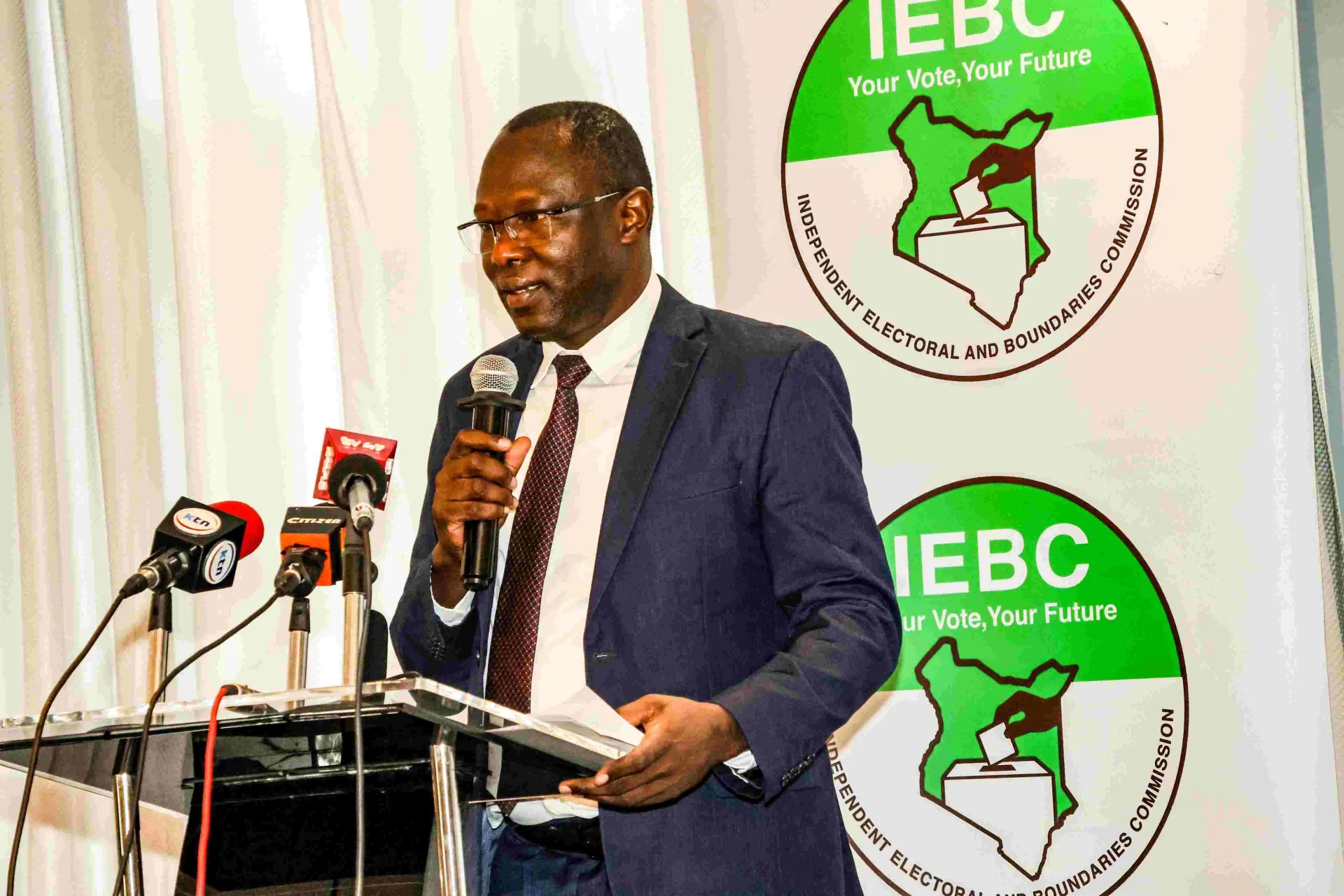
The announcement, made on Friday, November 20, 2026, places some of the country's most influential political parties under scrutiny, including President William Ruto's United Democratic Alliance (UDA), the Orange Democratic Movement (ODM) and Rigathi Gachagua's Democracy for the Citizens Party (DCP).
In a statement signed by IEBC Chairperson Erastus Edung Ethekon, the commission revealed that it had completed the first assessment of nomination rules submitted by 105 fully registered political parties intending to participate in the August 10, 2027 General Election.
Only 11 parties were found to have complied with the applicable legal requirements, while the remaining 94 were directed to amend their nomination rules before proceeding with their election preparations.
The findings represent a significant development for political parties that are already positioning themselves for the next General Election, with internal nominations expected to determine who gets the opportunity to contest various elective positions.
According to the official IEBC announcement, the affected parties include UDA, ODM, DCP, Azimio la Umoja One Kenya Coalition Party, Kenya African National Union (KANU), Maendeleo Chap Chap and Democratic Action Party of Kenya (DAP-K).
The commission also identified former Chief Justice David Maraga's United Green Movement among the parties required to make amendments.
The findings have attracted particular attention because the affected parties include formations associated with both the government and opposition camps.
President Ruto's UDA and Gachagua's DCP are among the political vehicles expected to play significant roles in the 2027 presidential contest, while ODM remains an influential force in Kenya's political landscape under its current leadership.
However, the commission's announcement also contains an interesting development involving parties that successfully passed the first assessment.
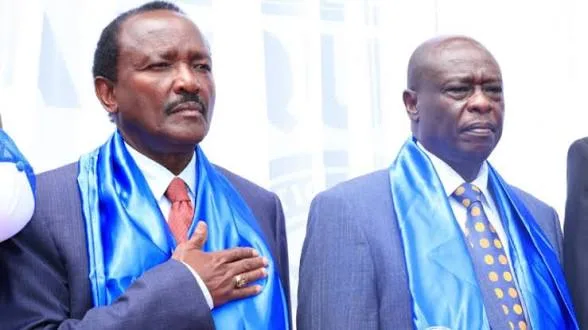
Among the 11 compliant parties are Kalonzo Musyoka's Wiper Patriotic Front and former Interior Cabinet Secretary Fred Matiang'i's Jubilee Party.
Other parties that passed include Babu Owino's The Mwananchi Party, Safina Party, Kenya Moja Movement Party, Liberal Democratic Party, Grand Dream Development Party, Democratic National Alliance Party, Chama ya Mapatano of Kenya, Vision for Development Alliance and Forward Kenya Party.
The inclusion of these parties among the compliant formations raises further questions about the preparedness of other major political organisations as the country moves closer to the 2027 elections.
In explaining its decision, IEBC disclosed that the assessment examined eight critical areas relating to how political parties intend to identify, select and nominate candidates.
These included the composition and responsibilities of party election boards, procedures for identifying aspiring candidates, eligibility requirements, nomination procedures and the preparation of party lists.
The commission also examined whether political parties had established effective mechanisms for ensuring compliance with electoral laws, preventing electoral malpractice and resolving disputes arising from internal nominations.
These requirements are particularly important because political party nominations have historically generated disagreements, court battles and accusations of unfairness among competing aspirants.
IEBC wants political parties to demonstrate that their nomination procedures will be transparent, fair, inclusive and consistent with the Constitution and electoral laws.
The commission has already communicated its findings to the affected political parties, identifying specific areas that require amendments.
The parties have been instructed to correct the identified deficiencies and submit revised nomination rules within the applicable timelines.
However, the commission was careful to clarify that being flagged during the first assessment does not automatically mean that a political party has been disqualified from participating in the 2027 General Election.
The affected parties have an opportunity to correct their shortcomings and bring their nomination procedures into compliance with the law.
The findings were independently reported by The Star, which highlighted the inclusion of UDA, ODM and DCP among the affected political formations. People Daily and TV47 also reported the announcement, identifying the 11 parties that passed the initial assessment.
Kenyans.co.ke further reported that the ruling UDA and ODM were among the 94 parties required to amend their nomination rules, while Nairobi Leo highlighted the implications for Gachagua's DCP and other political formations.
The announcement comes against the backdrop of growing political disagreements over preparations for the 2027 General Election.
Just a day earlier, opposition leaders led by Gachagua and Kalonzo had walked out of a consultative meeting with IEBC, raising concerns about the commission's preparedness, independence and management of the electoral process.
President Ruto subsequently criticised the opposition over the walkout, further intensifying the political confrontation surrounding the next election.
With major political parties now facing fresh compliance requirements, attention is shifting towards how quickly they will address the commission's concerns.
The bigger question is whether the affected parties will successfully revise their nomination rules before the commencement of internal party nominations or whether the process will trigger another round of political and legal confrontations ahead of August 2027.
For now, IEBC's latest announcement has introduced another major development into Kenya's increasingly competitive election preparations.

Comments
No approved comments yet.