

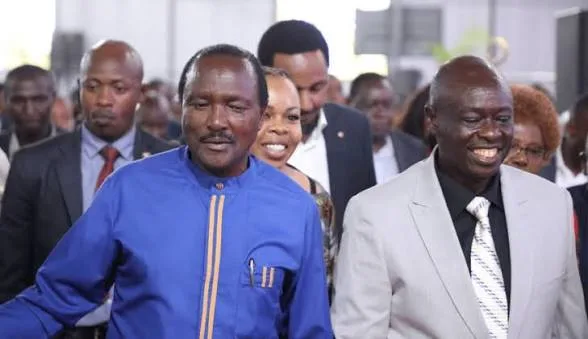
The dramatic confrontation exposed fresh disagreements between the opposition and the electoral commission over the preparations for the next General Election, with opposition leaders accusing IEBC of failing to address critical electoral reforms they consider necessary for a credible voting process.
According to reports by Citizen Digital's competitors, including Daily Nation, The Standard and Capital FM, the meeting was convened by IEBC Chairperson Erastus Ethekon to engage political parties on electoral preparedness ahead of the 2027 polls.
However, the engagement ended in a walkout after opposition leaders expressed dissatisfaction with the agenda presented by the commission, arguing that several important issues they had raised were missing from the discussions.
Gachagua, who addressed the meeting on behalf of the opposition delegation, questioned the value of continuing with discussions that did not incorporate concerns raised by Kenyans.
He maintained that the opposition was willing to engage the commission but insisted that meaningful consultations must address the issues they had repeatedly presented to IEBC.
The former Deputy President proposed that a technical team led by former Chief Justice David Maraga engage the commission and agree on a comprehensive agenda before another high-level meeting is convened.
Kalonzo also defended the decision to leave the meeting, arguing that the opposition had attended in good faith but had not received the commitment it expected from the electoral commission.
In a statement reported by The Star on Thursday, the Wiper leader questioned the commission's independence, impartiality and preparedness ahead of the 2027 elections.
He further called for an electoral process in which every vote would be counted at polling stations, verified openly and declared as cast.
The opposition's concerns revolve around four major proposals that could significantly influence how the next General Election is conducted.
Among their demands is a comprehensive cleaning of the voters' register to eliminate duplicate entries, deceased voters and ineligible names while ensuring that all qualified Kenyans are registered.
They are also proposing changes to the presidential results tallying process, including making results declared at constituency tallying centres final, with the national tallying centre at Bomas of Kenya responsible for receiving and announcing the aggregated results.
Other proposals include introducing electronic voting for Kenyans living abroad and livestreaming voting, counting and results announcements at polling stations and tallying centres.
The Standard reported that the opposition considers these proposals important safeguards against electoral irregularities and a way of strengthening public confidence in the electoral process.
However, the allegations and concerns raised by opposition leaders do not in themselves establish that the commission has manipulated or intends to manipulate the 2027 elections.
The IEBC leadership has also expressed disappointment over the walkout.
According to Daily Nation's reporting, IEBC Chairperson Erastus Ethekon described the departure of some political leaders as unfortunate, maintaining that stakeholder consultations were important opportunities to address concerns surrounding the electoral process.
Meanwhile, UDA National Chairperson Cecily Mbarire criticised the disruption of the meeting, arguing that the commission needed to maintain order and ensure that only invited representatives participated in its engagements.
The confrontation comes at a politically sensitive moment as President William Ruto's administration and opposition leaders intensify their preparations for the 2027 political contest.
With Kalonzo, Gachagua, Edwin Sifuna, Martha Karua, David Maraga and other influential figures now presenting a united front on electoral reforms, Thursday's events could become an important development in the country's political calendar.
The bigger question is whether the disagreement will push IEBC and the opposition towards meaningful negotiations or deepen mistrust between the electoral commission and political players ahead of the next General Election.
As the 2027 elections approach, will IEBC address the opposition's demands, or is Kenya heading towards another major political confrontation over electoral credibility?


Comments
No approved comments yet.