
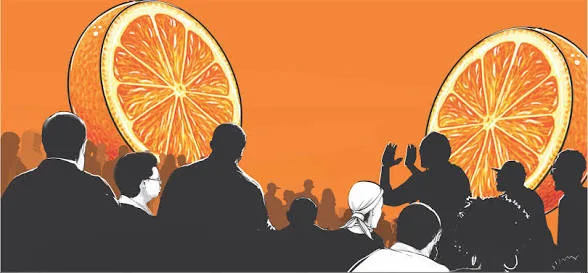
The Orange Democratic Movement (ODM) is facing fresh internal divisions over its proposed political alliance with President William Ruto ahead of the 2027 General Election, with senior leaders disagreeing on whether to support him unconditionally or first secure a written power-sharing agreement.
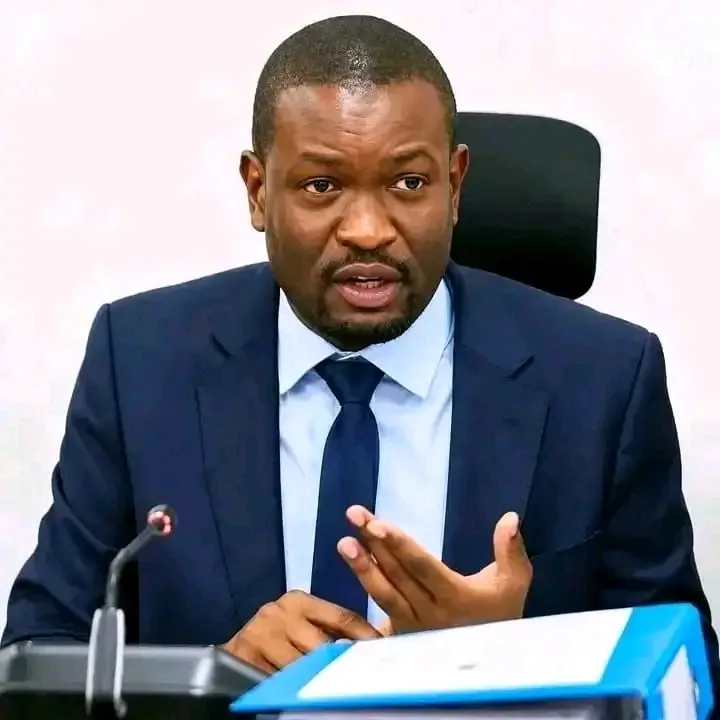
The disagreement has intensified following remarks by Interior Principal Secretary Raymond Omollo, who urged leaders from the Luo community to support the President without demanding a formal agreement in return.
According to Daily Nation and The Star, Omollo made the remarks during a meeting in Ndhiwa, Homa Bay County, on Saturday, October 24, 2026. He argued that Ruto's development record should be sufficient reason for the region to support his re-election bid.
Omollo also cited the 2007 presidential election, arguing that members of the Kalenjin community supported former Prime Minister Raila Odinga's presidential ambitions without demanding a written agreement.
His position has exposed differences within ODM, with some leaders favouring cooperation based on political goodwill while others insist that the party must obtain firm commitments before mobilising its supporters behind Ruto.
According to The Standard, the disagreement has extended beyond individual statements, with concerns emerging over the proposed sharing of government positions and the selection of the next Deputy President.
Nyando Member of Parliament Jared Okello is among the leaders who oppose making a written agreement a condition for supporting Ruto.
In its October 29 report, The Star indicated that Okello believes the President has already demonstrated goodwill towards ODM through development projects and the inclusion of party members in government.
Supporters of this position argue that delaying political cooperation could weaken ODM's bargaining position if other opposition leaders negotiate arrangements with Ruto before the party reaches an agreement.
Treasury Cabinet Secretary John Mbadi has also advocated cooperation with the President, arguing that ODM should take a clear political position rather than remain divided over the proposed alliance.
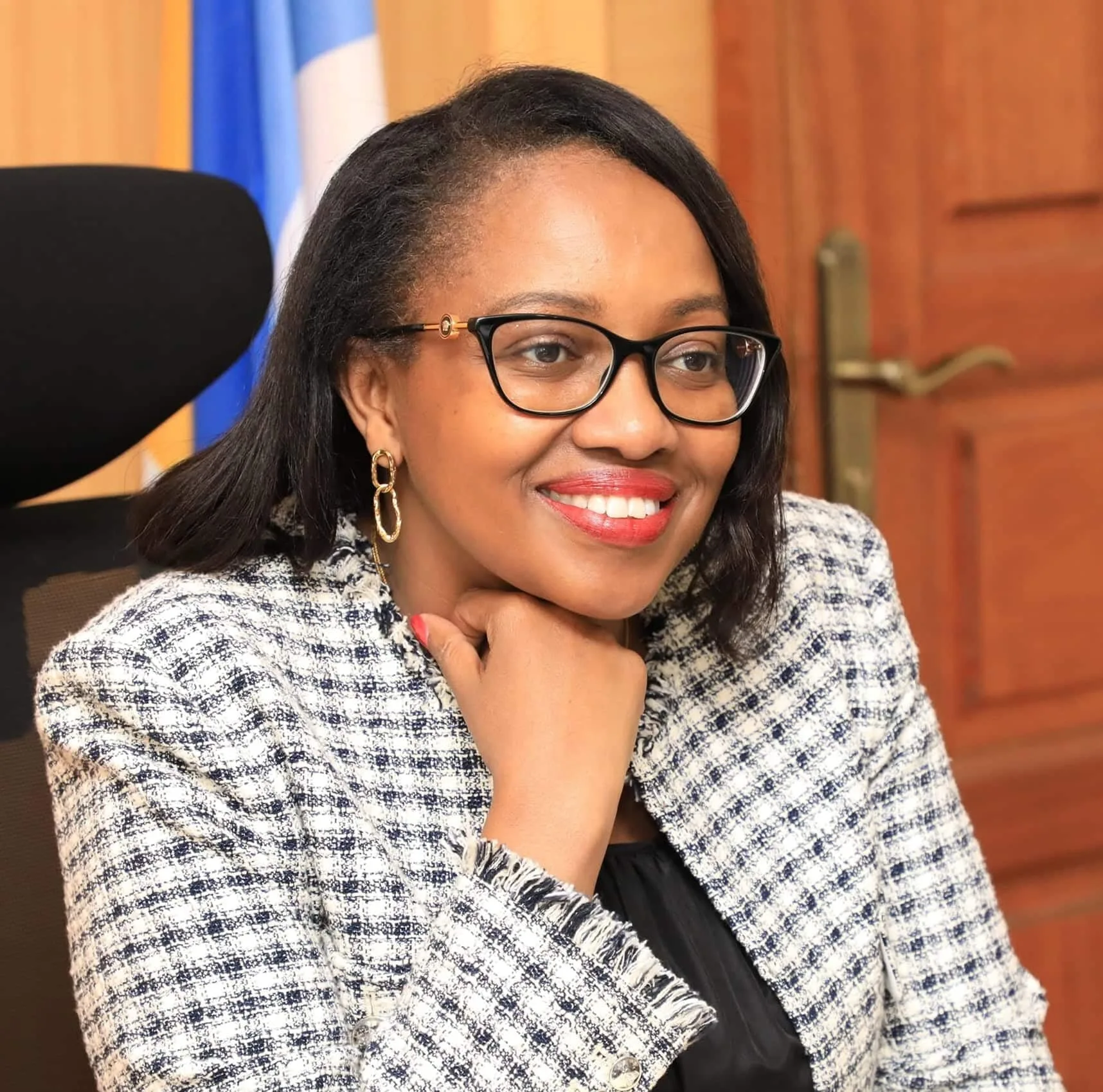
However, Kisumu Woman Representative Ruth Odinga has taken a different position, insisting that ODM must secure a legally binding agreement before entering a formal coalition with the ruling United Democratic Alliance (UDA).
In a statement issued on Wednesday, October 28, Ruth criticised attempts to portray ODM as a party representing only the Luo community.
According to The Eastleigh Voice, she maintained that ODM has a national presence, with political support extending to regions including Western Kenya, the Coast and Turkana. She argued that reducing the party to a single community could undermine its identity and weaken its negotiating position.
Ruth also raised concerns about Kenya's history of political agreements that were not fully honoured, insisting that ODM should protect its interests through clearly documented commitments.
Her position has received support from other leaders who believe that the party should not commit its political support without knowing what it stands to gain from the proposed arrangement.
The disagreement has also brought renewed attention to ODM's demand for an equal power-sharing arrangement with UDA.
In a report published on October 29, Daily Nation indicated that the proposed arrangement includes a 50-50 sharing of government positions, although leaders remain divided over whether such demands should be conditions for supporting Ruto or matters to be negotiated later.
Homa Bay Governor Gladys Wanga has been among the strongest advocates of equal power sharing. She has argued that if UDA retains the presidency, ODM should receive an equivalent share of government positions and the Deputy President's seat.
The Standard has also reported growing uncertainty over the Deputy President's position, which is currently held by Kithure Kindiki. The negotiations could therefore create competing interests within the existing political alliance as leaders seek to protect their positions ahead of the next election.
Other ODM figures, including National Assembly Minority Leader Junet Mohamed and party Secretary-General Catherine Omanyo, have backed demands for a formal arrangement that guarantees the party a substantial role in the next government.
Meanwhile, the Kenya News Agency reported on October 26 that Omollo had cautioned political leaders against imposing conditions on a potential pre-election coalition with Ruto. The report also highlighted ODM's push for a 50-50 power-sharing arrangement and the Deputy President's position.
The disagreement comes as ODM and UDA continue discussions on their political cooperation ahead of the 2027 General Election.
According to The Standard, the two parties have established teams to work on the proposed coalition framework and a joint manifesto. However, differences over the distribution of government positions remain a significant issue in the negotiations.
The dispute also presents a challenge for ODM leader Oburu Oginga as he navigates competing opinions within the party following the death of his younger brother, Raila Odinga, in October 2025.
For Ruto, securing ODM's support could strengthen his political position ahead of the election. For ODM, the challenge is to determine whether cooperation with the President will deliver sufficient political influence and clear commitments for the party and its supporters.
As the negotiations continue, the central question remains whether ODM will support Ruto based on political goodwill or insist on a written agreement before committing its political machinery to his re-election campaign.

Comments
No approved comments yet.