
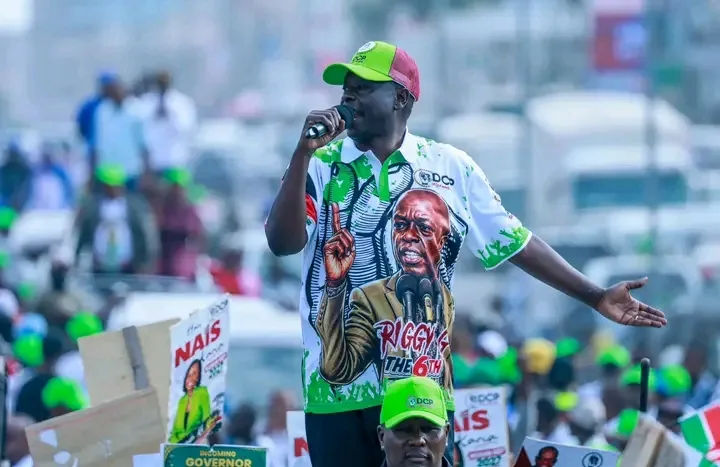
The latest survey by Trends and Insights For Africa (TIFA), released on Thursday, November 12, 2026, places the Democracy for the Citizens Party (DCP) leader at the centre of public perceptions surrounding the disagreements threatening opposition unity.
According to the findings published by the Daily Nation, 43 per cent of respondents identified Gachagua as the politician they considered responsible for divisions within the opposition.
President William Ruto and his United Democratic Alliance (UDA) administration came second at 15 per cent, followed by Nairobi Senator Edwin Sifuna at seven per cent and Wiper Party leader Kalonzo Musyoka at six per cent.
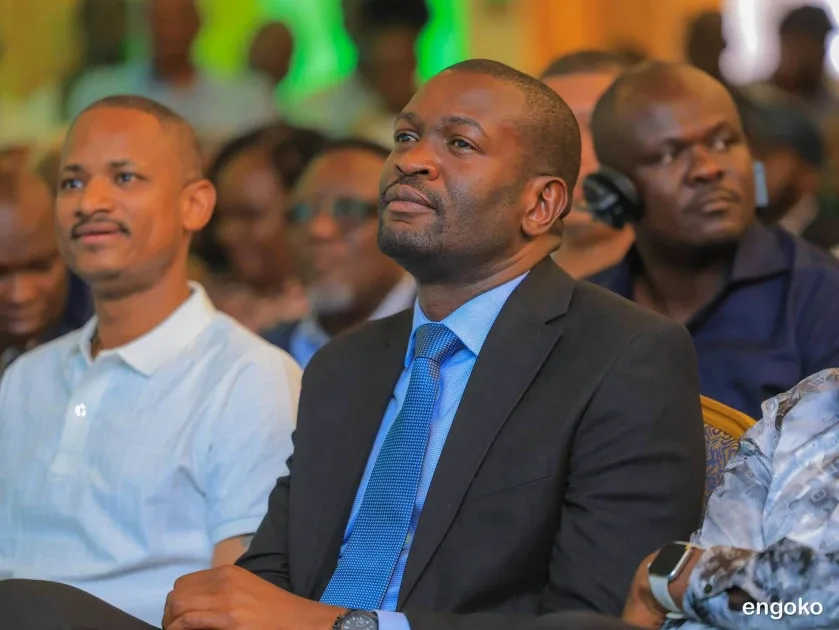
Former Interior Cabinet Secretary Fred Matiang'i and Embakasi East MP Babu Owino also featured in the findings, with four per cent each.
The results present an interesting challenge for Gachagua, who has repeatedly positioned himself as one of the leading figures championing the formation of a united opposition capable of defeating President Ruto in the August 2027 elections.
In its November 12 report, The Star highlighted the apparent contradiction between Gachagua's public calls for unity and the proportion of respondents who associate him with disagreements among opposition leaders.
The findings come against the backdrop of disagreements over the opposition's presidential candidate, regional political influence and the distribution of leadership positions within a possible coalition.
Gachagua has previously criticised some opposition politicians, particularly Fred Matiang'i and Democratic Party leader Justin Muturi, accusing them of relying on meetings and public appearances instead of building their own political support bases.
The former Deputy President has maintained that defeating Ruto requires serious grassroots mobilisation and consolidation of votes across different regions.
However, Matiang'i has also raised concerns about what he considers an exclusionary approach to opposition-building.
In a November 2 report, Citizen Digital covered Matiang'i's warning that Gachagua's perceived arrogance and political pride could undermine efforts to bring opposition leaders together.
The Jubilee Party leader argued that the opposition needed an inclusive approach rather than allowing a few politicians to dominate discussions about the coalition's future.
Gachagua, meanwhile, has continued insisting that opposition leaders remain committed to working together.
The Standard reported on November 8 that he dismissed claims of serious divisions, comparing disagreements among opposition principals to ordinary family disagreements while maintaining that they remained united behind the objective of fielding one presidential candidate.
Interestingly, the latest TIFA survey also examined the possibility of opposition leaders eventually reaching an agreement.
According to the research organisation's November 12 findings, 57 per cent of opposition supporters considered a possible unity agreement between the Linda Mwananchi and Ukombozi opposition groups very likely.
Another 22 per cent considered such an arrangement somewhat likely.
On when the opposition should announce its joint presidential candidate and running mate, 45 per cent preferred January to March 2027, while 35 per cent wanted the announcement made before the end of 2026.
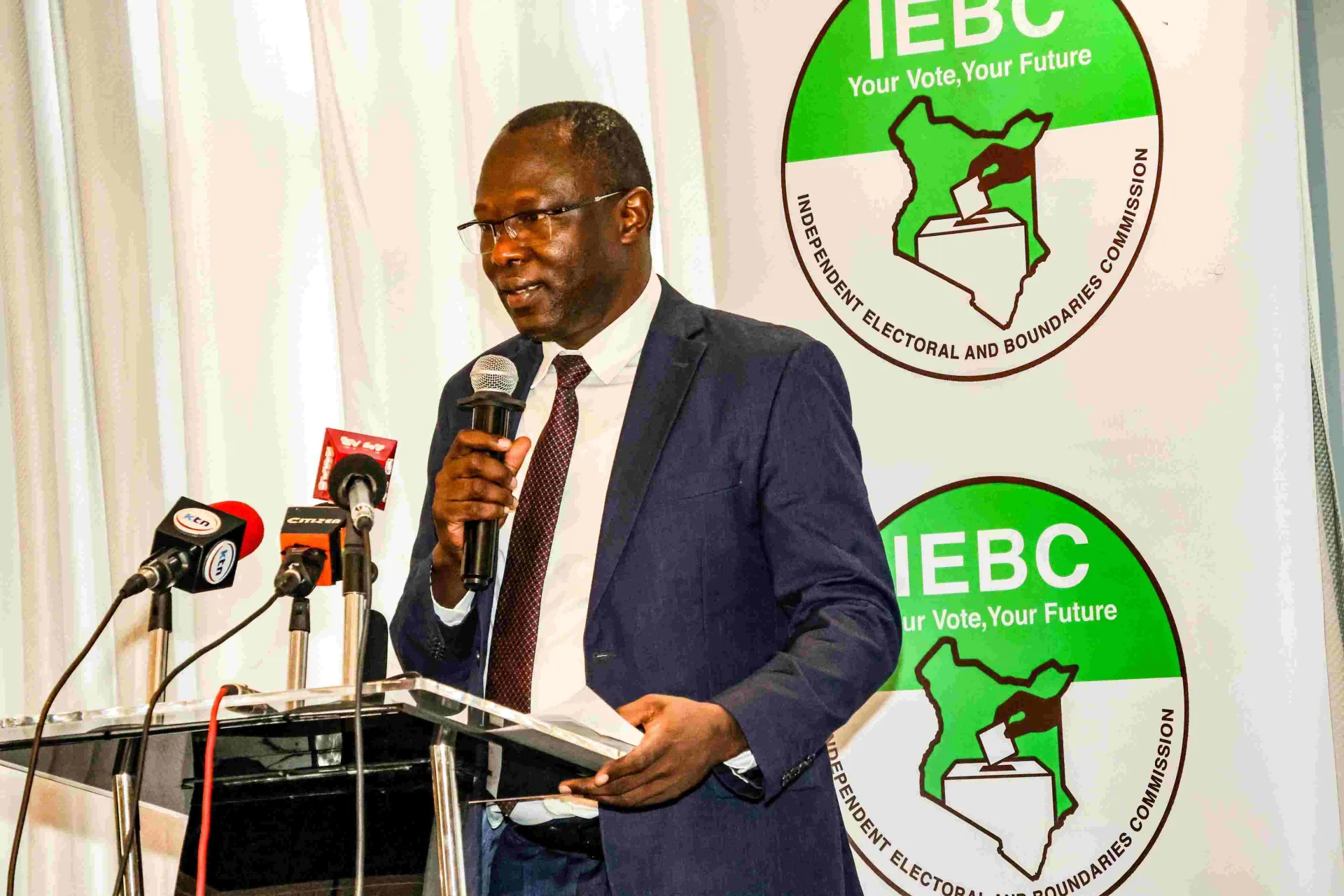
TIFA conducted the survey between October 26 and November 5, interviewing 2,036 adults across all 47 counties through face-to-face household interviews. The poll reported a margin of error of plus or minus 2.16 percentage points.
The findings do not establish that Gachagua is objectively responsible for opposition divisions. Rather, they reveal how respondents perceive the disagreements within the political formation.
Nevertheless, the results present a difficult political question for the DCP leader as he seeks to consolidate his influence while convincing fellow opposition principals that he can accommodate competing ambitions.
With the 2027 General Election approaching, the biggest test facing Gachagua and his political allies may not simply be finding a candidate capable of challenging Ruto, but building enough trust among themselves to campaign together.

Comments
No approved comments yet.