

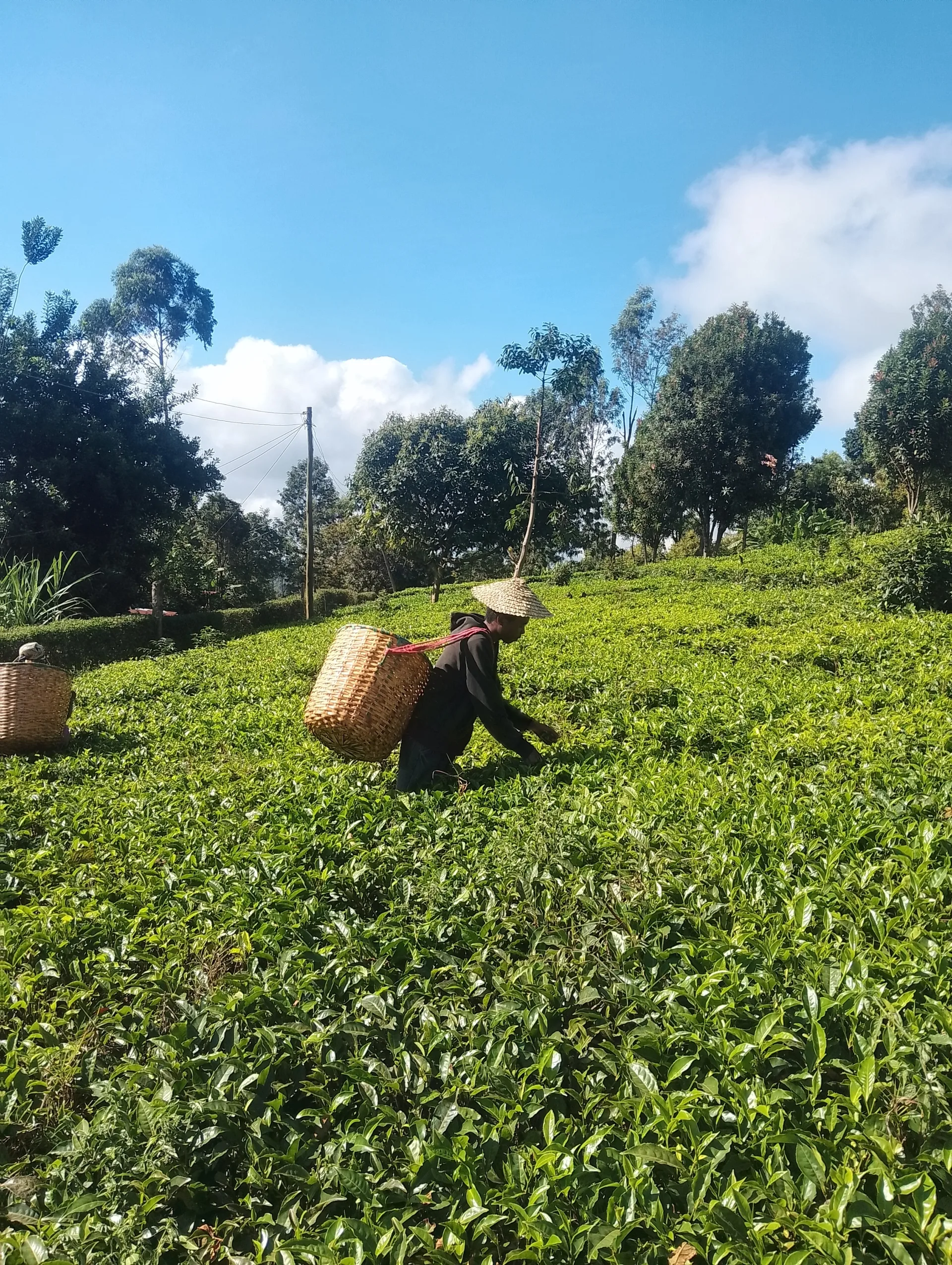
The High Court in Machakos has suspended the implementation of the Tea (Levy) Regulations, 2026, pending further court proceedings in a case challenging the legality of the levy imposed on tea exports.
The court issued the orders following a petition filed by the Mazingira Greens Party of Kenya, through its chairman, John Bunei, challenging Regulation 4 of the Tea (Levy) Regulations, 2026.
The contested provision introduces a 0.8 per cent levy on the auction value of every export of made tea, a measure that has raised concerns about its potential financial impact on small-scale tea farmers.
Justice Josephine Mongare certified the petition as urgent and issued conservatory orders suspending enforcement of the regulations pending further proceedings.
The court also barred the respondents from refusing to issue tea export or import permits on the grounds that the levy had not been paid.
However, the judge clarified that the orders were temporary and did not constitute a final determination of the dispute. The court is expected to give further directions on November 19, 2026.
In the petition, the Mazingira Greens Party argues that although the levy is imposed at the export stage, its economic burden could ultimately be transferred to smallholder farmers through reduced payments for their tea.
The petitioner has also questioned the proposed use of the revenue, arguing that the levy is intended to support road infrastructure without sufficient guarantees that the financial burden will be shared equitably among the different players in the tea industry, including multinational tea companies.
Another major issue raised in the case is the alleged failure to adequately involve small-scale tea farmers in the public participation process preceding the introduction of the levy and amendments to the Tea Act.
The petitioner argues that the regulations raise constitutional questions concerning equality, the right to property, economic and social rights, public finance, taxation powers and devolution.
The case names the Tea Board of Kenya, the Cabinet Secretary for Agriculture and the Attorney General as respondents, while the Kenya Tea Development Agency (KTDA) is listed as an interested party.
The government and the Tea Board have defended the levy, arguing that the revenue is necessary to support the international marketing of Kenyan tea, facilitate the implementation of the Tea Act and help stabilise domestic tea prices.
The court's decision temporarily halts enforcement of the contested regulations as the parties prepare to present their arguments in the ongoing legal dispute.
The outcome of the case could have significant implications for tea exporters, smallholder farmers and other stakeholders in Kenya's tea industry, particularly if the court is asked to determine whether the levy was introduced in accordance with constitutional requirements.



Comments
No approved comments yet.