
The political relationship between President William Ruto's United Democratic Alliance (UDA) and the Orange Democratic Movement (ODM) is facing a major test as disagreements over power-sharing arrangements intensify ahead of the 2027 General Election.
The latest developments have exposed competing interests within the two political camps, with ODM leaders insisting that the party must receive a fair share of government positions in exchange for supporting Ruto's re-election.
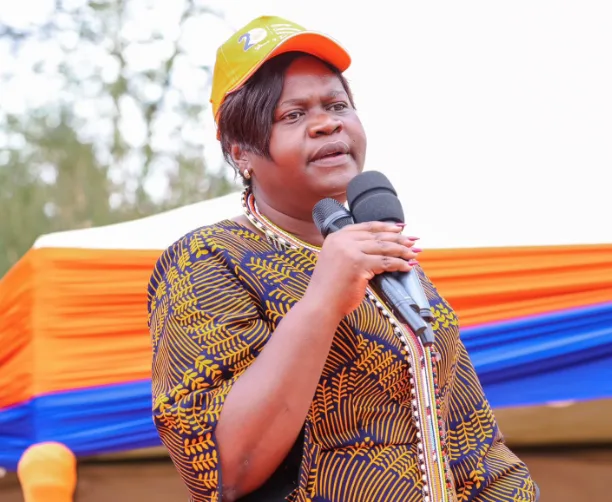
The disagreement gained fresh momentum on Saturday, October 31, during an ODM rally at Jacaranda Grounds in Nairobi. Party leaders, including National Chairperson Gladys Wanga, Deputy Party Leader Simba Arati and National Assembly Minority Leader Junet Mohamed, maintained that ODM would not enter a political arrangement with UDA without clear guarantees.
According to Citizen Digital, ODM leaders have maintained that any agreement with Ruto's camp must recognise the party's political strength, with the Deputy President's position emerging as one of its major demands.
The debate intensified on Sunday, November 1, after Homa Bay Town MP Peter Kaluma weighed in on the negotiations.
In a statement posted on his X account, Kaluma argued that ODM had sufficient political influence to help guarantee Ruto an overwhelming victory in 2027, predicting that the President could secure more than 80 per cent of the vote if the two parties worked together.
He warned that ODM intended to negotiate aggressively before committing its political machinery to Ruto's re-election campaign, insisting that the discussions should eventually produce a written pre-election agreement.
People Daily reported that Kaluma's remarks reflected ODM's determination to approach the negotiations from a position of strength rather than offer unconditional political support.
At the centre of the disagreement is the proposed 50-50 power-sharing arrangement. ODM leaders want the next government to reflect an equal partnership between the two political parties.
The discussions reportedly involve the distribution of Cabinet positions, Principal Secretary appointments, leadership positions in state corporations and other government responsibilities.
The Deputy President's position has also become a major point of contention, with sections of ODM pushing for one of their own to occupy the office if Ruto becomes the coalition's presidential candidate.
However, the party has not secured a final agreement on these demands, and the negotiations remain ongoing.
ODM Party Leader Oburu Oginga has also outlined the party's approach to the proposed political partnership.
According to The Standard, Oburu confirmed that ODM and UDA had established technical teams to work on the proposed coalition framework. Each side has appointed five representatives to handle the technical discussions, while a separate political negotiating team is expected to take over the final coalition arrangements.
The separate negotiating team is expected to be established before February 2027.
Meanwhile, Daily Nation reported on Sunday that ODM and UDA had settled on Ruto as their preferred presidential candidate for the 2027 elections. The two parties are also considering a joint campaign committee and a single campaign treasury account.
However, the distribution of government positions, including the Deputy President's office, remains unresolved.
The disagreements have also attracted resistance from sections of UDA, whose leaders are reluctant to surrender some of the most powerful positions in government.
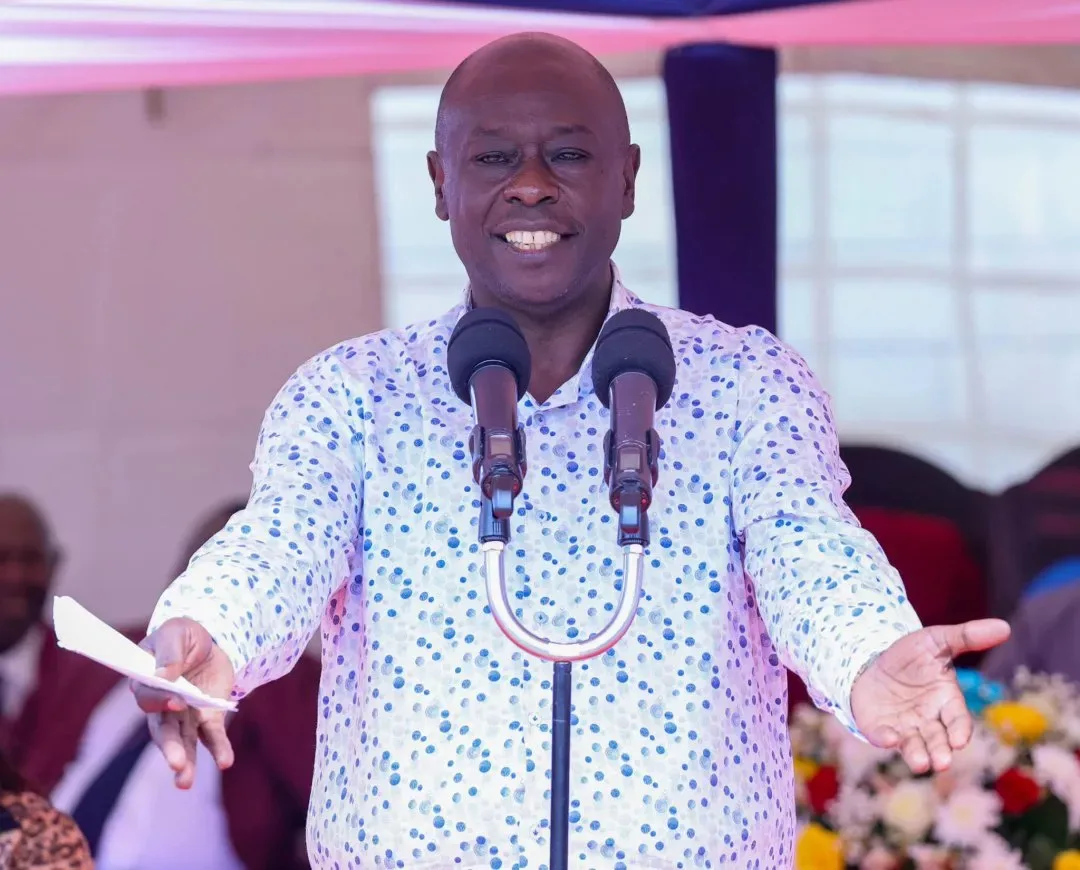
UDA Secretary-General Hassan Omar has maintained that Deputy President Kithure Kindiki remains the party's preferred running mate for the 2027 presidential election.
This position presents a direct challenge to ODM leaders who believe the deputy presidency should form part of the negotiations.
Citizen Digital has previously reported on the growing disagreement over ODM's demand for the Deputy President's position, highlighting the competing interests within the proposed political partnership.
The political contest is also unfolding as ODM experiences internal divisions following the emergence of the Linda Mwananchi movement associated with Nairobi Senator Edwin Sifuna and other leaders who have taken a different political direction.
The emergence of alternative political formations has raised questions about ODM's ability to maintain its traditional support base ahead of the next election.
For Wanga, Arati, Junet and other leaders supporting the negotiations, demonstrating ODM's continued political influence could strengthen the party's bargaining position with Ruto.
The stakes are therefore much bigger than the distribution of government appointments. Both parties are trying to establish how much political influence each will exercise in the next administration.
The biggest question now is whether Ruto's UDA will accept ODM's demands for an equal partnership or insist on retaining control of the most influential government positions.
With the 2027 General Election approaching, the outcome of these negotiations could reshape Kenya's political alliances and determine whether ODM remains firmly within the broad-based government or considers alternative political arrangements.
Comments
No approved comments yet.