
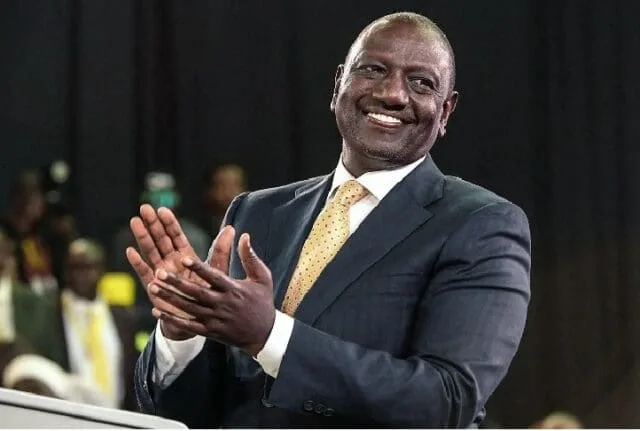
Speaking on Sunday, October 25, 2026, at AIC Kasina Church in Mwingi, Kitui County, the President maintained that Kenyans have a right to access election results promptly, pushing back against growing concerns surrounding the Elections (Amendment) Bill.
"They want to start to create another propaganda around the election laws that livestreaming has been banned. Nonsense," Ruto said.
He questioned why anyone would want to prevent the public from accessing election results through livestreaming.
"Why would anybody want to stop livestreaming of results? Results is a right of Kenyans. The sooner Kenyans get to know the results of our elections, the better for our country," he added.
The President also accused unnamed political leaders of misleading young Kenyans through propaganda and false information, drawing comparisons with the controversy surrounding the Finance Bill in 2024.
"I'm seeing leaders trying to misuse the youth of Kenya with propaganda and fake news and false information. We saw it in 2024. There was a lot of propaganda spread on the Finance Bill," he said.
Ruto argued that political leaders should concentrate on issues affecting young people, including education, employment and business opportunities, instead of what he described as manufactured political outrage.
He further maintained that political actors were exploiting the frustrations of young Kenyans for their own interests.
However, the controversy surrounding the Elections (Amendment) Bill has continued despite the President's latest remarks.
The dispute began after an earlier version of the legislation introduced in the Senate proposed changes that raised concerns about the mandatory livestreaming of election results by the Independent Electoral and Boundaries Commission (IEBC).
The proposal triggered public debate, with critics warning that removing the requirement could undermine transparency in the electoral process.
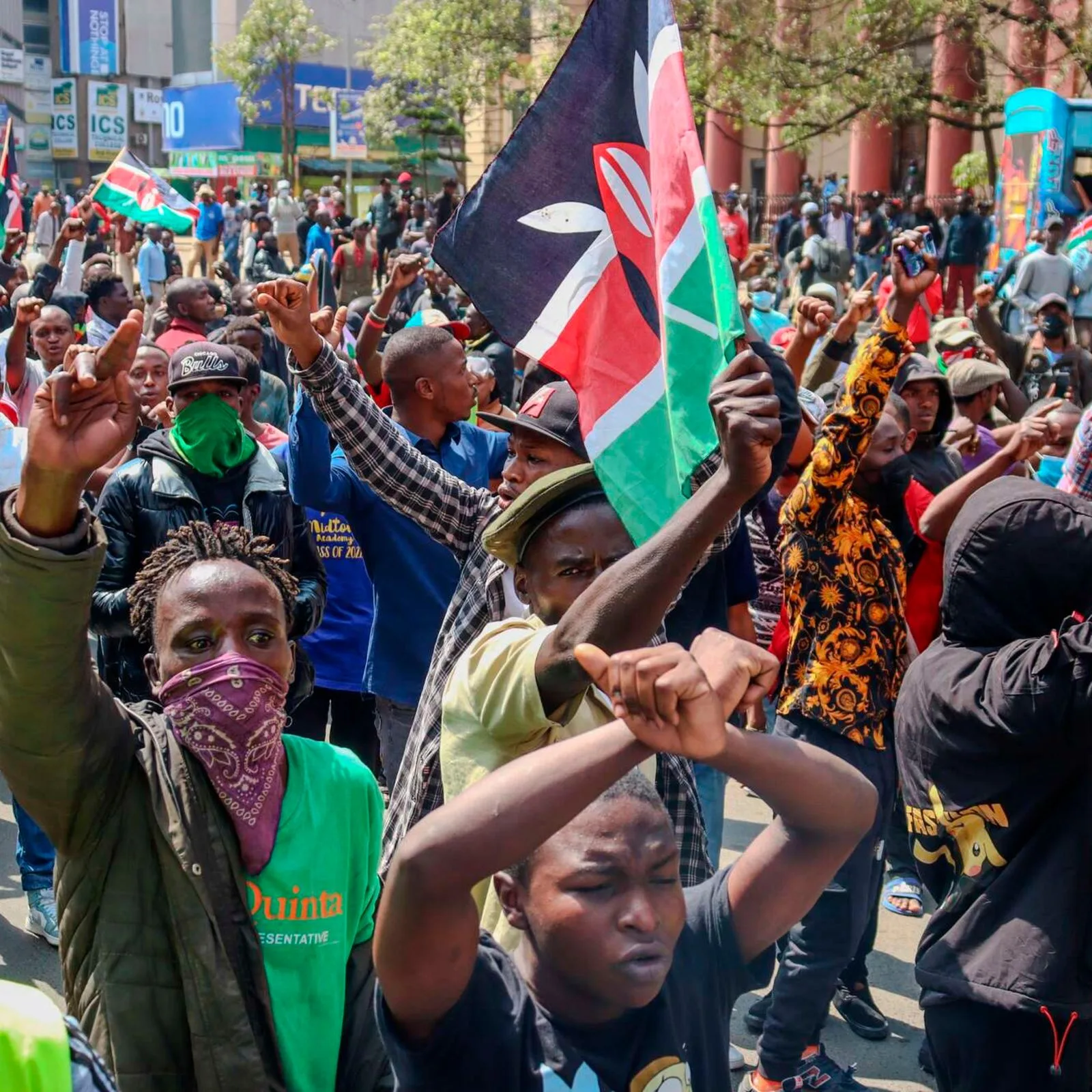
The controversy also fuelled calls for demonstrations, with the hashtag #OkoaUchaguzi gaining attention as Kenyans questioned the proposed changes.
Following the backlash, the National Assembly made changes to the contested provision during consideration of the Bill on October 22 and 23.
Government officials subsequently maintained that the revised legislation preserves the existing requirement for the IEBC to livestream election results.
The proposed changes also introduce provisions requiring the electronic transmission of presidential results within two hours of their declaration at polling stations, alongside the publication of Form 34A on a public portal. The commission would also be required to provide written reasons for any delay.
The Bill must still complete the constitutionally prescribed legislative process before becoming law.
Nevertheless, opposition figures remain unconvinced by the government's explanations.
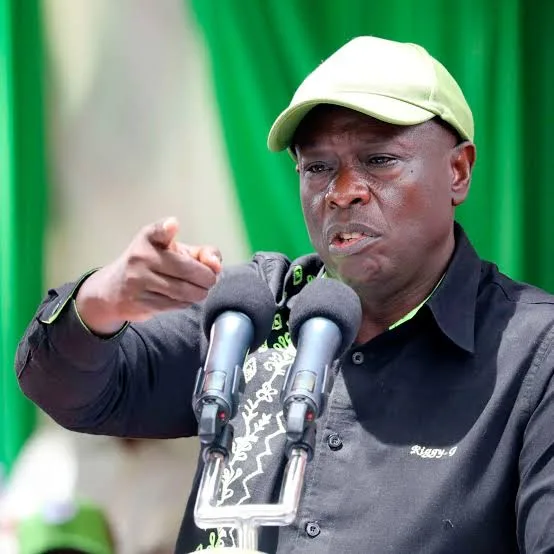
Siaya Governor James Orengo reportedly warned on Sunday that he would personally move to court if the President attempted to assent to the contested legislation.
Meanwhile, lawyer John Njomo is reported to have filed a petition at the Milimani Law Courts seeking conservatory orders to prevent the Bill from proceeding to the President.
Former presidential candidate Martha Karua has also criticised the proposed changes, arguing that the removal of the contested provision signals fear over electoral transparency.
The dispute has therefore developed into a wider debate about public access to election results, the role of the IEBC and the safeguards needed to maintain confidence in Kenya's electoral process.
Although Ruto has insisted that livestreaming remains a right of Kenyans, critics continue to demand clarity over the final wording of the Bill and the implications of the proposed changes.
Comments
No approved comments yet.