


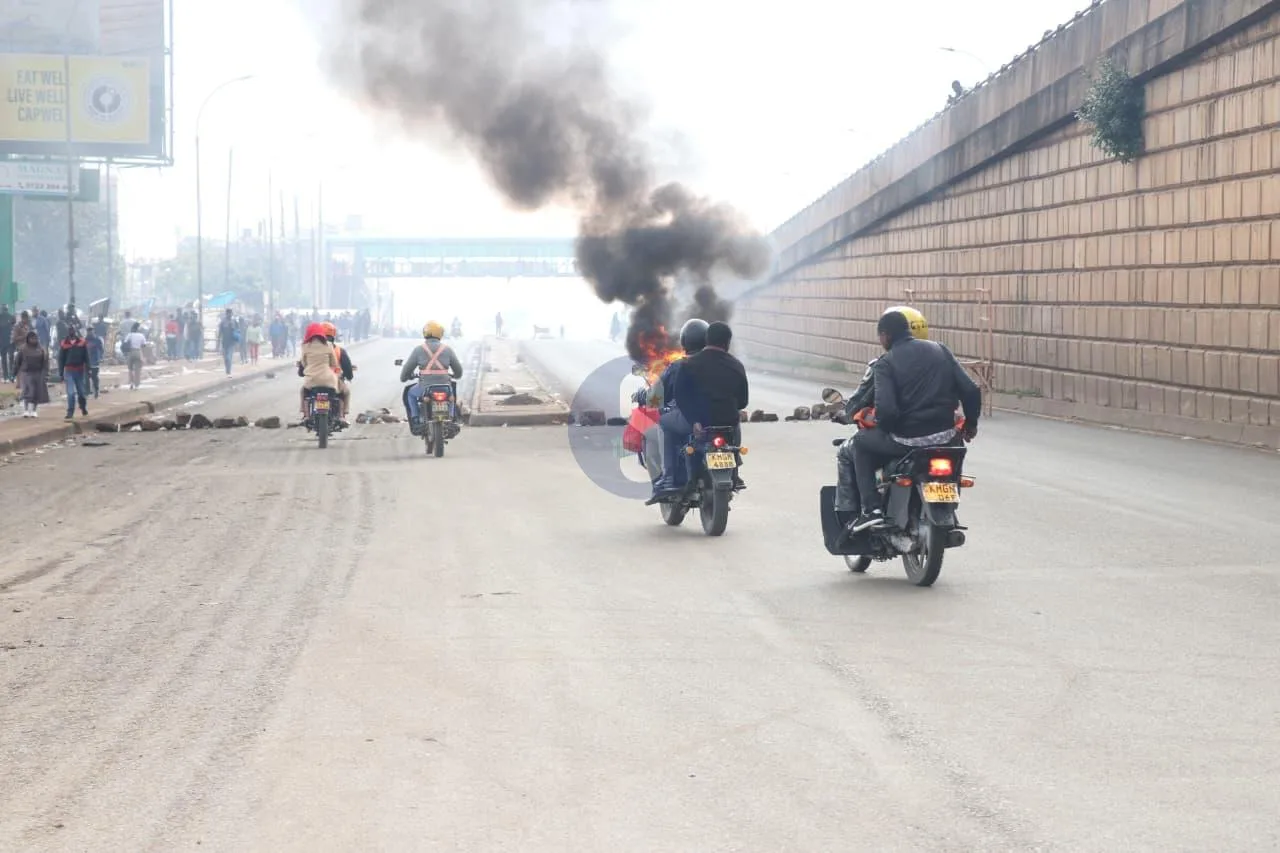
Tension flared on Monday when Trans Nzoia Governor George Natembeya was tear-gassed while leading a protest march to Nzoia Sugar Company, demanding clarity on the government’s plan to privatize the ailing sugar mill.
“The journey to Nzoia Sugar Company to find the truth was disrupted by police officers who threw tear gas canisters at us and the protestors who had accompanied us to the factory,” said Natembeya. “We must get to the bottom of this for the sake of our people.”
Why Natembeya Opposes the Privatization of Nzoia Sugar
Governor Natembeya, a vocal critic of the proposed leasing of state-owned sugar factories, warned that handing Nzoia Sugar over to private investors would destabilize the regional economy.
“The Nzoia Sugar Company is a critical economic pillar for Western Kenya, supporting over 45,000 farmers and providing livelihoods for millions directly and indirectly,” he said. “I perceive the privatization or leasing of this institution as a menace to the region's economy, particularly given its pivotal role in supporting sugarcane farmers and local communities.”

Police Clash With Protesters at the Sugar Mill
The peaceful demonstration escalated when anti-riot police blocked the march near the factory gates. Tear gas canisters were lobbed at the crowd, dispersing farmers, activists, and local leaders. No serious injuries were reported, but the standoff heightened tensions over the future of the company.
“The smell of tear gas is necessary in the quest for freedom,” Natembeya declared, undeterred by the confrontation.
The Sugar Crisis in Western Kenya
Nzoia Sugar is one of several state-owned mills earmarked for leasing as part of a broader government plan to revive Kenya’s struggling sugar industry. Other targeted mills include Mumias, Chemelil, Muhoroni, Sony, and Miwani.
Once a thriving industry, Kenya’s sugar sector has declined sharply due to mismanagement, debt, aging equipment, and unregulated sugar imports. Western Kenya, which depends heavily on sugarcane farming, has borne the brunt of the collapse.

The national government argues that leasing will bring in investment, improve operations, and boost production. However, critics — including some county governors, farmer unions, and civil society groups — view the process as opaque and potentially exploitative.
In 2023, leasing plans faced legal and political resistance after fears arose over asset stripping and the exclusion of local communities from ownership or decision-making.
What’s at Stake for Local Farmers
For thousands of farmers in Bungoma, Kakamega, and Trans Nzoia counties, Nzoia Sugar remains the only accessible buyer of sugarcane. The mill’s collapse would force many into deeper poverty or push them to abandon sugarcane altogether.
“We are not just fighting for a factory — we are fighting for our people’s survival,” said one protester. “Without Nzoia, we have nothing.”
As the battle over Kenya’s sugar future intensifies, today’s events signal that local leaders like Natembeya are ready to resist what they see as economic marginalization.
Do you want to be published? Email info@thedailywhistle.co.ke or Whatsapp 0721 930 260


Comments
No approved comments yet.