

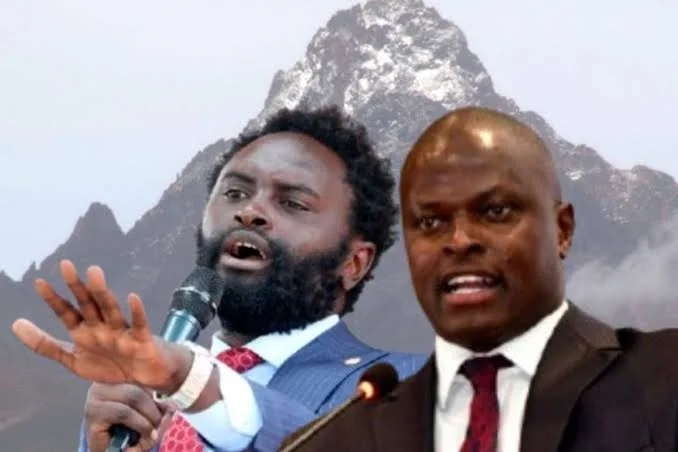
The exchanges involve two different political relationships. Ruto and Uhuru, once allies, are publicly criticising each other over their past partnership and the country's political direction. Meanwhile, Methu has questioned Nyoro's intentions within the opposition, raising concerns about whether leaders opposed to the government can maintain a united front ahead of the next election.
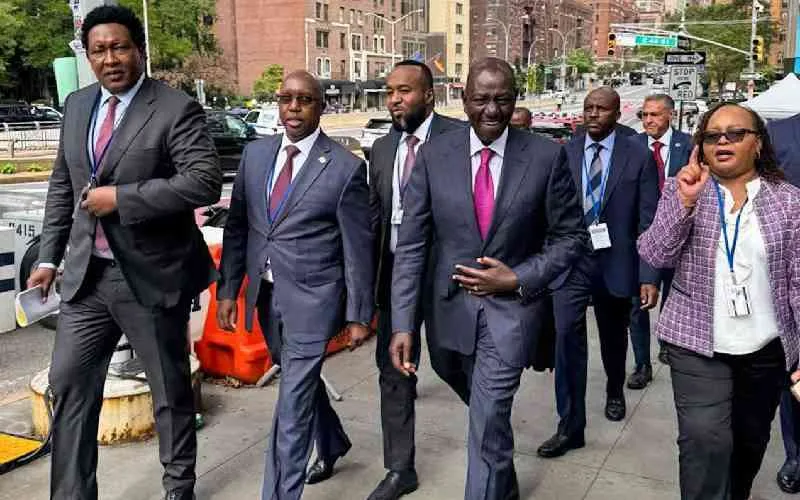
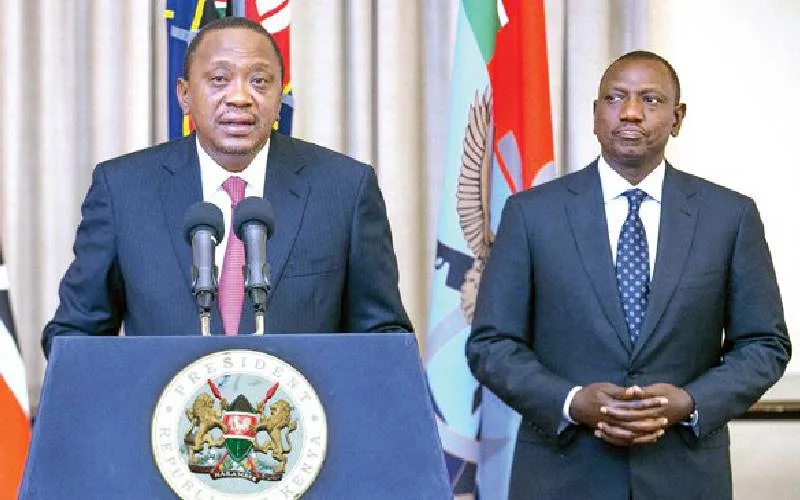
According to The Star, Ruto renewed his criticism of Uhuru on September 17, 2026, during his tour of Homa Bay County. Speaking in Sindo, the President accused his predecessor of failing to support him after their years of political cooperation. Ruto said he had stood with Uhuru through four elections and referred to an alleged understanding that each would serve as president for ten years.
The President also urged Uhuru to respect the office of a retired head of state and stop what he described as efforts to undermine his administration. The remarks brought their longstanding political differences back into public debate as leaders begin positioning themselves ahead of 2027.
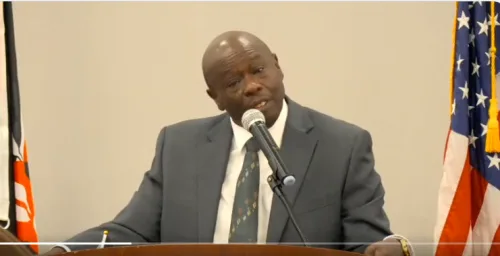
Citizen Digital reported that Uhuru responded on October 3 during the burial of Mwalimu Jackson Karua, the father of People's Liberation Party leader Martha Karua, at Mugumo Primary School in Kirinyaga County. Uhuru told Ruto to concentrate on serving Kenyans instead of directing criticism at him. He also maintained that he was not seeking another political seat and reminded residents of the Mount Kenya region of his opposition to Ruto's election in 2022.
The exchange illustrates how the relationship between the two former political partners continues to influence discussions about the next election. Although both leaders have the freedom to express their political positions, their public disagreements may shape how supporters assess the competing political camps.
The second dispute has emerged within the opposition. The Standard reported on October 12 that Methu had accused Nyoro of potentially working in the interests of Ruto to weaken opposition unity and divide votes in the Mount Kenya region.
Methu's concerns followed Nyoro's decision to establish and lead the People's Party of Kenya (PPK). The senator said he had previously discussed political strategy with Nyoro and believed they shared concerns about creating multiple parties that could split support in the region. He said he was therefore surprised when Nyoro established a separate political outfit.
The Star further reported that Methu claimed he had been approached by people he associated with the government and encouraged to form his own party after the Democracy for the Citizens Party (DCP) won the Ol Kalou by-election. Methu alleged that he rejected the proposal after consulting Nyoro, who he said had advised him against splitting the Mount Kenya vote.
These remain Methu's allegations and should not be treated as proof that Nyoro is working for the government. The dispute, however, highlights the mistrust that can emerge when political allies disagree over party structures, strategy and the best route to electoral success.
People Daily's reporting on the Uhuru-Ruto dispute has also highlighted the wider political significance of Uhuru's continued involvement in national affairs. His remarks have renewed debate about the role former presidents can play in shaping political alliances after leaving office, particularly when their preferred direction differs from that of the sitting administration.
The two disputes raise important questions about the road to 2027. For the government, disagreements with influential former allies could complicate efforts to consolidate political support. For the opposition, public accusations among leaders who want to challenge the incumbent could make it harder to build trust and agree on a common strategy.
Another concern is the effect of personality-driven political exchanges on public debate. When leaders focus heavily on accusations and past disagreements, issues such as the cost of living, education funding, healthcare and employment risk receiving less attention. Voters need clear explanations of how competing political teams intend to address these concerns.
Political competition is a normal part of a democratic system, and disagreements do not automatically lead to instability. However, leaders have a responsibility to communicate their differences without encouraging hostility among supporters. Political parties also need transparent decision-making and clear positions on how they intend to cooperate before asking voters for their backing.
As Kenya moves towards the 2027 General Election, the exchanges involving Ruto and Uhuru, alongside Methu's accusations against Nyoro, offer an early indication of the political contest taking shape. Whether these disagreements lead to new alliances or deeper divisions will depend on the choices leaders make in the months ahead.
Ultimately, voters will have to judge political leaders not only by their accusations against rivals but also by their policies, conduct and ability to address the challenges facing the country.
Do you think that these public disagreements are a sign of genuine political differences, or are they early signs of a bigger struggle for power and control ahead of the 2027 general election? Share your thoughts in the comments section.
Comments
No approved comments yet.