

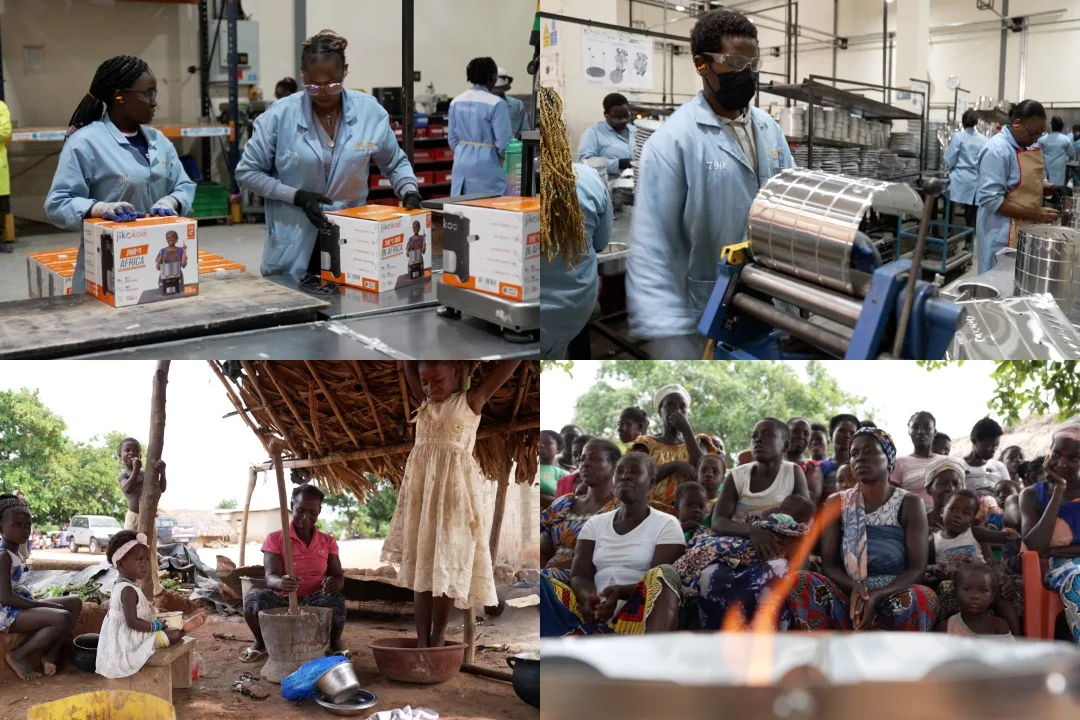
In the latest episode of CNN’s Connecting Africa, Eleni Giokos and Victoria Rubadiri examine one of the biggest challenges facing the continent, access to clean cooking.
In Kenya, Victoria Rubadiri has been looking at one company that’s producing a range of options that are being exported across the continent.
One product includes a fuel-efficient stove that uses less wood and charcoal.
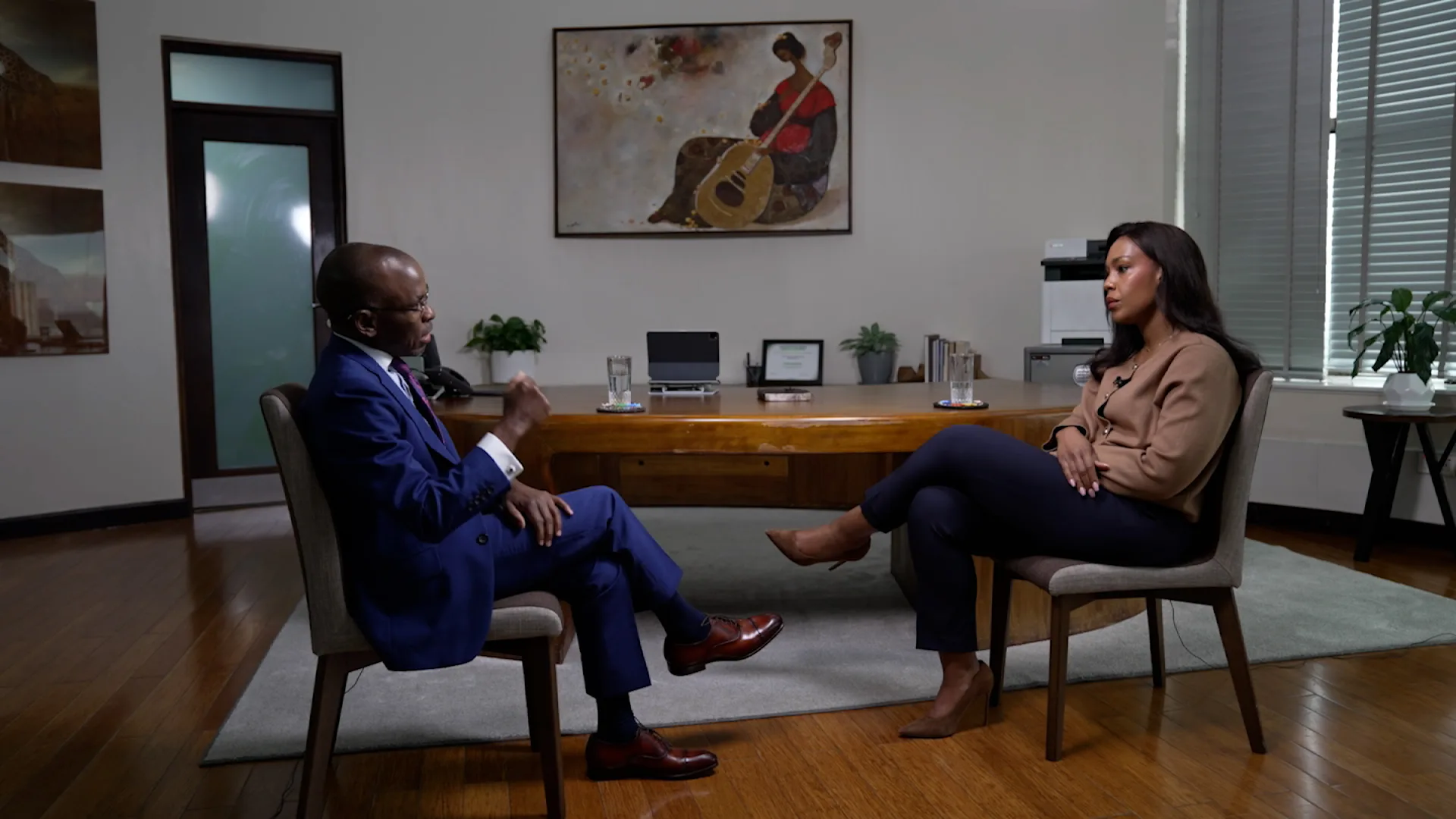
Rubadiri speaks to CEO & Founder of BURN, Peter Scott. He explains that:
“Burn is the world's largest clean cooking company… we have 4,000 staff. We have manufacturing in six countries and have home delivery in 10 countries. Burn makes a whole variety of different products…it's all made and designed in Africa”.
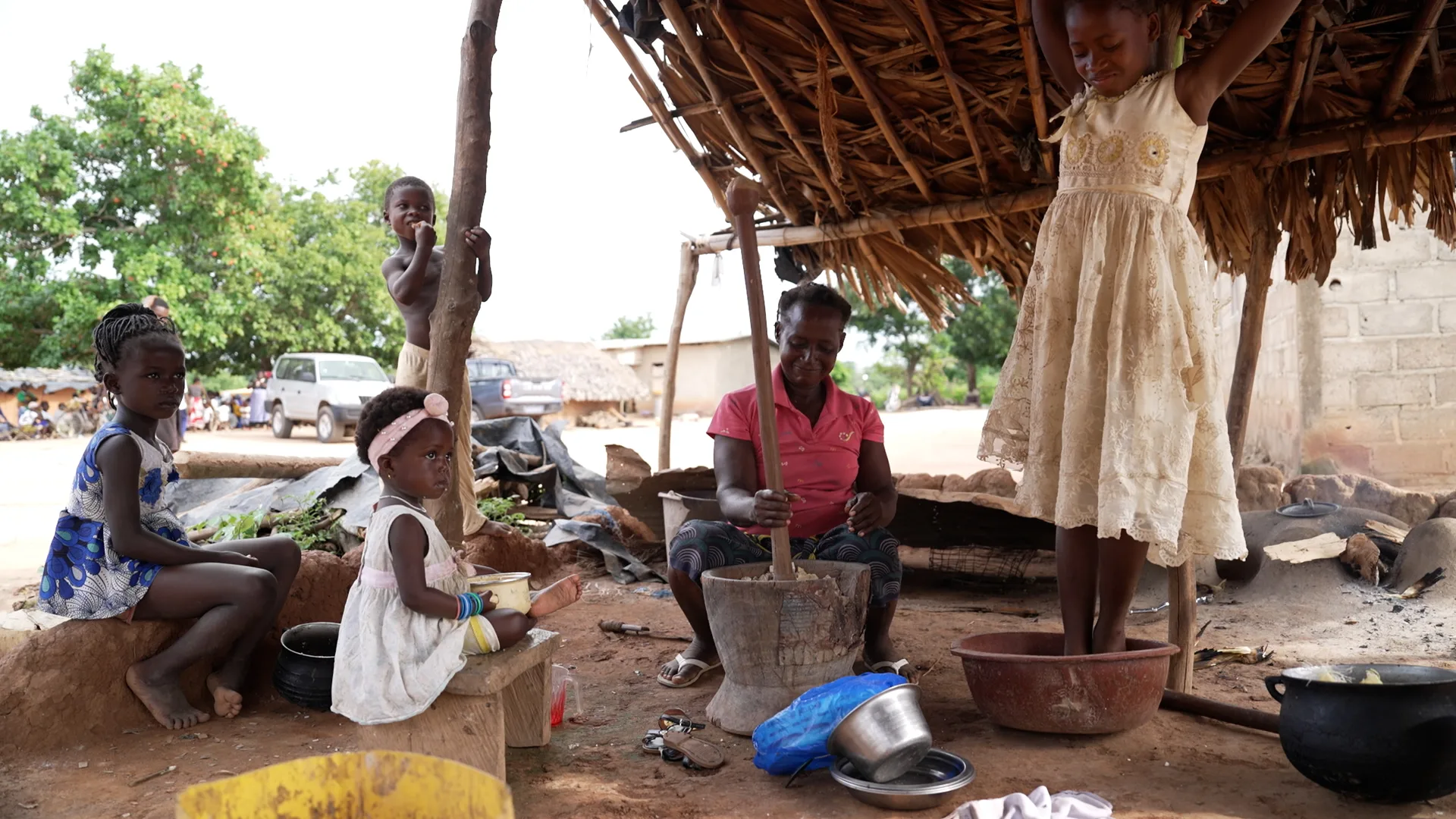
Speaking to Rubadiri, Peter Scott does an induction cooker demo as:
“This is the most efficient way to use electricity for cooking. You see there's a SIM card here, and this goes inside the stove. This allows us to track usage and also manage the Pay GO payments”.
Scott explains that:
“What people don't understand is when they see this, they think, “Well, that's fine for the rich. Great. They can have this stove." No, no, no, no. This is for the poor. The poor, really, the poor are spending all of their money on charcoal. They're going to spend about a dollar a meal to make with charcoal, and here they're going to spend 25 cents”.
By burning less fuel, BURN says its stoves produce fewer carbon emissions.
These reductions are measured and verified independently and become carbon credits.
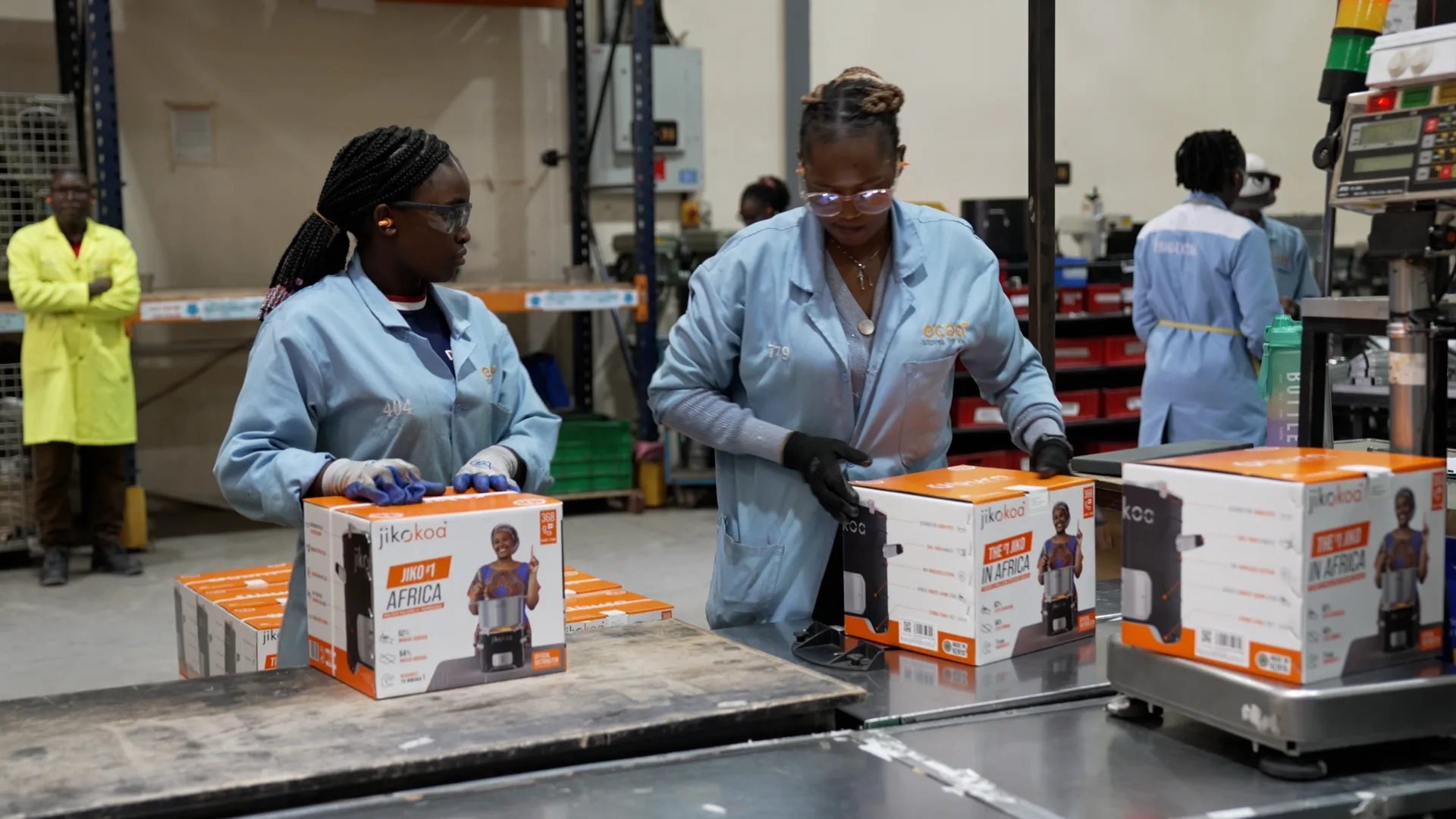
Rubadiri also speaks to Timothy Muchiri, Assistant Production Manager at BURN as he explains the overall production capacity of the company.
“Our overall capacity is 10,000 stoves every single day across all the different production assemblies. In a month, that's about 250,000 stoves”.
Rubadiri follows up by asking Scott how BURN intends to adapt and replace traditional fuel entries.
Scott explains that:
“Urban Africa can make the switch either to electric or LPG. There's many countries where cooking with electricity is much cheaper than gas or charcoal or any other fuel. Especially in East Africa. Also, the grid is incredibly clean here, 80, 90, 100% renewable energy in many countries in East Africa. But I think rural Africa is going to be a much bigger challenge”.
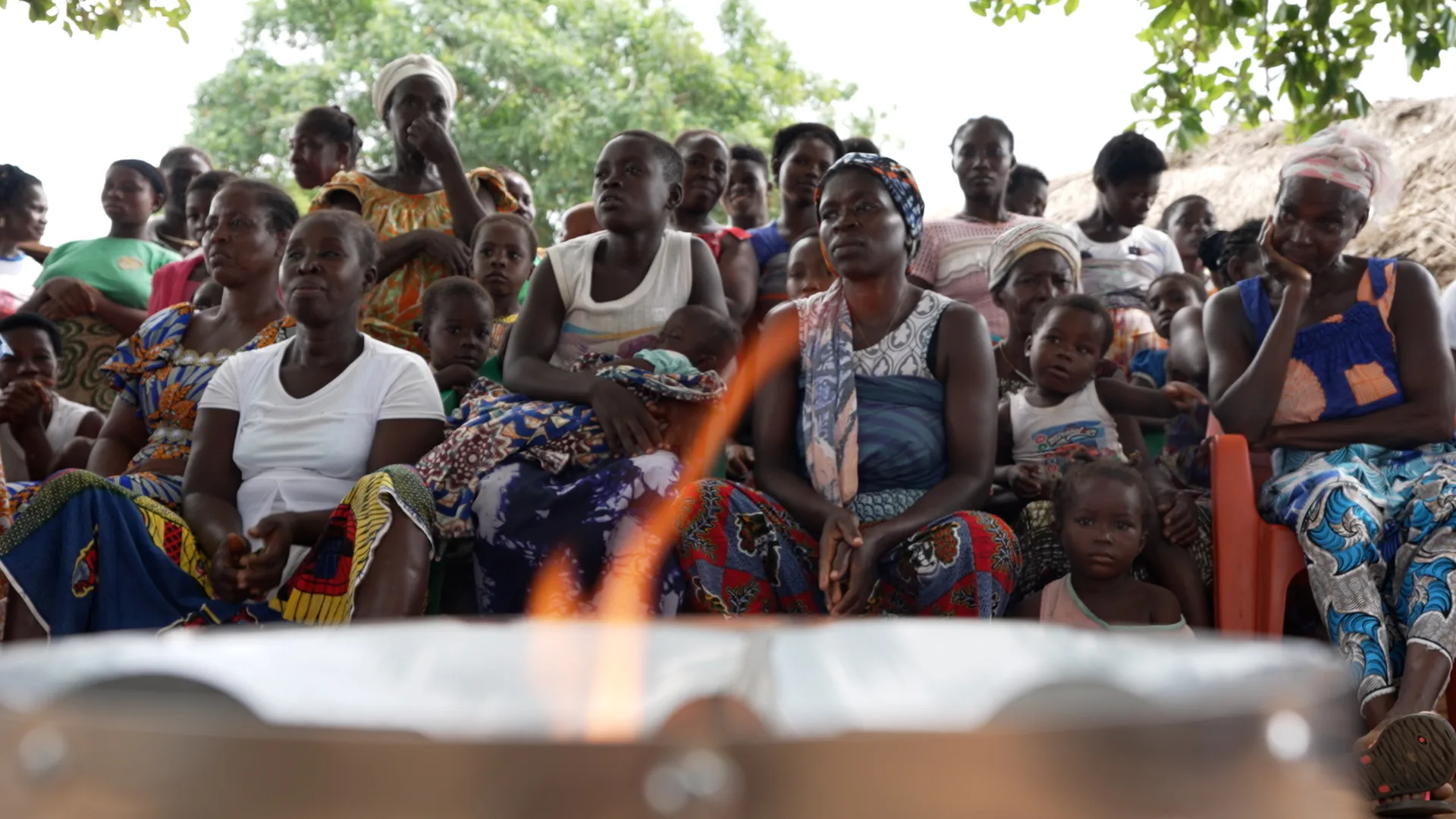
Peter Scott reflects on BURNS environmental commitment as he tell Rubadiri:
“If you want to save the planet, you want to reduce greenhouse gas emissions, you want to stop climate change, one of the cheapest ways you can do it is through financing clean cooking… we're just launching a whole new program to bring super fuel efficient stoves to schools, whether it's induction or agricultural waste briquettes. So that's a whole new thing that will grow in scale”.
The episode also explores Sub Africa’s access to clean cooking.
Rubadiri speaks to Fatih Birol, Executive Director of the International Energy Agency (IEA).
Birol explains that:
“Today in Africa, four out of five families use wood, agricultural waste, animal waste for preparing their meals. This is a major problem, especially for women and children because it causes respiratory diseases. Today it is one of the top reasons those respiratory diseases for premature death for women in Africa. Every year, more than 800,000 women die prematurely because of this traditional cooking practices”.
Later in the episode, Rubadiri explores Renaissance Africa Energy Company Limited, a Nigerian oil and gas operator, as it is one of many companies bringing gas to homes across the continent.
It’s Managing Director and Chief Executive Officer is Tony Attah.
Rbadiri asks Tony Attah about the Company’s rise to success in Nigeria.
Attah explains:
“When we took over the assets… within the first hundred days, we moved production from 140,000 barrels to 240, so we increased by 100,000 barrels of oil in a hundred days. When we arrived and we made this progress in production, we set an ambition for 2030. We want to be able to produce 500,000 barrels of oil a day and one BCF of gas for the domestic because that is what will industrialize Nigeria”.
Speaking to Rbadiri, Attah is asked about what kind of products he is envisioning for households when utilising gas.
“Gas is life, as I just expressed with you from a clean cooking point of view. So, there are so many opportunities in the gas value chain that we're looking at. But in my head, a few people say go for CNG, for transportation, for power, fantastic”.
To conclude, Attah reflects on energy security and the challenges facing the company.
“We know that we cannot solve everything. There are companies out there downstream of the value chain who will deal with cooking stoves. There are companies who will bottle LPG. There are companies who will take bulk LPG. There are companies like that, but we will make it available. We will partner with them from a financial side, from a capital-based side, from a technical side. So that is how we believe in the interim we can enable energy security”.
Connecting Africa broadcast schedule
Connecting Africa airs on CNN International at the following times:
- Tuesday 10th November 2026 at 22:45 WAT
- Saturday 14th November 2026 at 09:30 WAT
- Sunday 15th November 2026 at 03:30 WAT and 19:30 WAT
- Monday 16th November 2026 at 05:00 WAT


Comments
No approved comments yet.