

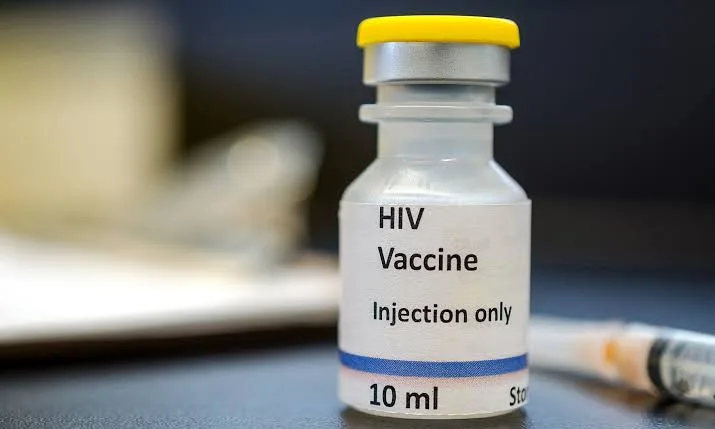
The medicine, alimatravir, also known by its development code MK-8527, is being developed by pharmaceutical company Merck as an investigational oral pre-exposure prophylaxis (PrEP) medicine.
Merck has signed royalty-free voluntary licensing agreements with seven generic manufacturers, including Kenya's Universal Corporation Limited (UCL), to prepare for production of generic alimatravir across 129 low- and middle-income countries if the medicine is successfully developed and receives regulatory approval.
Kenya is one of three sub-Saharan African countries included in the initial manufacturing licences, alongside Uganda and South Africa.
But there is an important qualification: alimatravir is not yet an approved HIV prevention medicine.
The drug remains in Phase 3 clinical trials, meaning its safety and effectiveness are still being evaluated.
What is alimatravir?
Alimatravir is being developed as an oral form of pre-exposure prophylaxis, commonly called PrEP.
PrEP is taken by people who do not have HIV to reduce their risk of acquiring the virus.
The major difference with the investigational medicine is its dosing schedule.
Instead of taking a PrEP tablet every day, alimatravir is being developed as a once-monthly oral pill.
Merck says the medicine is being evaluated as a potential option capable of providing one month of HIV-1 prevention with a single dose, subject to successful clinical trials and regulatory approval.
That would mean a potential user could take about 12 doses in a year rather than 365 daily tablets.
However, the monthly dosing concept should not be confused with an approved medical recommendation. The appropriate use, effectiveness and safety of alimatravir will depend on the final clinical evidence and decisions by regulators.
Why Kenya is involved
Kenya is playing two different roles in the development of alimatravir.
The country is preparing to manufacture the medicine through Universal Corporation Limited, while Kenyan researchers are also participating in the clinical trials testing whether the drug can prevent HIV.
The Phase 3 EXPrESSIVE-10 study is evaluating alimatravir among adolescent girls and young women in Kenya, South Africa and Uganda.
KEMRI says the study involves 4,580 sexually active women aged 16 to 30 across 31 clinical research sites in the three countries.
Four of the study sites are in Kenya, including three KEMRI-owned sites.
KEMRI researcher Prof John Kinuthia described the research as an important opportunity for women.
“If successful, this study will bring new hope for women, who remain among the most vulnerable to HIV infection,” Kinuthia said.
Prof Nelly Mugo, who leads one of the Kenyan sites, said the study represents an important step in expanding HIV prevention choices for women.
The involvement of Kenyan research sites means evidence about the medicine's performance is being generated partly among the populations and communities where future HIV prevention programmes could potentially be implemented.
Merck is licensing the drug before approval
The manufacturing arrangement is unusual because the licensing process is happening while the medicine is still in clinical development.
Merck says signing the agreements before completion of Phase 3 enrolment is a first for HIV prevention.
The purpose is to allow generic manufacturers to begin development and regulatory preparations early, reducing the potential delay between regulatory approval and availability of generic supplies.
The seven licensed manufacturers are:
- Universal Corporation Limited — Kenya
- Quality Chemical Industries Limited — Uganda
- Aspen Pharmacare — South Africa
- Aurobindo — India
- Cipla — India
- Emcure — India
- Viatris — India
The agreements cover 129 low- and middle-income countries, according to Merck.
Merck says the countries covered by the licences account for a substantial majority of new HIV diagnoses globally.
Why a monthly HIV pill could matter in Kenya
One of the biggest questions surrounding PrEP is not simply whether the medicine works.
It is whether people can use it consistently.
Existing research has shown that oral PrEP is highly effective when taken as prescribed, but effectiveness can fall when adherence is poor.
A systematic review of PrEP studies found a strong relationship between adherence and protection. In the review, participants with adherence of at least 70% had a substantially lower risk of HIV infection than those receiving placebo or no PrEP, while the protective effect was much weaker among people with low adherence.
Kenyan research has also demonstrated that adherence can be challenging in some populations.
A randomised trial involving young women in Thika and Kisumu found that electronically monitored PrEP adherence averaged only 26.8% over 24 months. The researchers concluded that additional approaches were needed to support PrEP use among young Kenyan women.
But more recent Kenyan real-world evidence also shows that high adherence is achievable.
A 2026 study involving PrEP clients attending 25 public HIV clinics in Kenya found detectable tenofovir levels in 96% of samples, with 71% meeting the study's definition of optimal adherence.
The evidence therefore does not suggest that every Kenyan PrEP user struggles with daily medication.
Instead, it shows why having more prevention choices can matter.
A monthly tablet could potentially suit people who find daily medication difficult, while others may prefer existing daily or long-acting prevention options.
Kenya's HIV numbers explain why prevention still matters
Kenya has made major progress in HIV treatment and prevention, but the epidemic remains significant.
The National Syndemic Diseases Control Council's 2026 estimates put the number of people living with HIV in Kenya at 1,481,853.
The same estimates record 13,936 new HIV infections and 19,434 AIDS-related deaths in 2026.
Women account for an estimated 965,699 people living with HIV, compared with 516,154 men, according to the national estimates.
The national data also shows progress in treatment: 91% of people living with HIV are estimated to be on antiretroviral therapy, while 87% are virally suppressed.
That progress has helped reduce new infections, but thousands of new infections are still estimated every year.
It is in that context that researchers are examining whether additional prevention options can help close remaining gaps.
What could the new pill mean for Kenyan women?
The potential impact could be particularly important for women because HIV prevention is influenced by more than medical efficacy.
Privacy, stigma, relationships, access to health facilities and the practical difficulty of taking a medicine every day can all influence whether someone starts or continues PrEP.
KEMRI's EXPrESSIVE-10 trial specifically focuses on adolescent girls and young women, a population researchers consider important in Kenya's HIV prevention response.
A monthly oral option could eventually provide another choice for people who do not want a daily tablet.
But researchers still have to establish whether alimatravir actually provides sufficient protection and whether its safety profile is acceptable.
How effective is alimatravir?
That question has not yet been fully answered.
Merck says alimatravir is currently being evaluated in two Phase 3 studies.
EXPrESSIVE-10 is studying adolescent girls and young women in Kenya, South Africa and Uganda.
EXPrESSIVE-11 is evaluating the drug among people with a greater likelihood of HIV-1 exposure across 16 countries.
The Phase 3 programme followed a Phase 2 study involving 350 participants.
Merck reports that participants received different doses of alimatravir or placebo once a month for six months, with adverse-event rates similar between the treatment and placebo groups and no clinically meaningful changes in laboratory tests, including CD4 T-cell counts.
Those findings supported continued development, but they do not prove that alimatravir prevents HIV in the general population.
That is precisely what the larger Phase 3 trials are designed to determine.
Is the monthly HIV pill available in Kenya?
No.
Kenyans should not go to pharmacies or health facilities asking for alimatravir as an approved HIV prevention medicine.
The medicine remains investigational.
Merck's licensing announcement repeatedly makes the future availability of generic alimatravir conditional on successful development and regulatory approval.
Existing HIV prevention options remain available through the health system, including approved PrEP medicines and other HIV prevention interventions.
Alimatravir could become an additional option if the clinical and regulatory process is successful.
Will the pill be cheap?
The licensing model is designed to support affordable access in low- and middle-income countries, but the final price Kenyan patients would pay cannot yet be treated as settled.
Merck says its strategy is intended to support broad and sustainable access, while generic manufacturers will be able to develop products for the licensed territories if the medicine is approved.
The presence of a Kenyan manufacturer could also strengthen local and regional supply capacity.
But manufacturing locally does not automatically mean that the medicine will be immediately available, free or cheaper at the pharmacy.
Pricing will depend on manufacturing costs, procurement arrangements, regulation, competition, health financing and other factors.
Could Universal Corporation supply other African countries?
Potentially, yes.
The licence covers 129 low- and middle-income countries, subject to the terms of the agreement and the necessary regulatory requirements.
That means the Kenyan manufacturing operation could eventually play a regional role rather than serving Kenya alone.
Merck says the licensing strategy is intended to strengthen regional manufacturing and supply resilience in high-burden areas.
For Kenya's pharmaceutical sector, that could create an opportunity to participate further in the production and supply of newer medicines.
But again, that opportunity depends on alimatravir successfully completing development and gaining the required approvals.
What the development means for Kenya
The significance of the announcement goes beyond one HIV pill.
Kenya is participating in the research, preparing for manufacturing, and potentially positioning itself within a future regional supply chain for a new HIV prevention technology.
For the health sector, the development could eventually mean another prevention choice.
For researchers, it means continued participation in international HIV clinical research.
For the pharmaceutical industry, it provides an opportunity to build manufacturing capacity around a medicine before its potential global rollout.
And for Kenyans at risk of HIV, the immediate message is more measured: the monthly pill is promising, but it is not yet approved and should not be treated as an available replacement for existing PrEP.
What Kenyans need to know about alimatravir
What is alimatravir?
It is an investigational once-monthly oral PrEP medicine being developed by Merck to prevent HIV-1 infection.
Is it approved in Kenya?
No. It remains in Phase 3 clinical development.
Who will prepare to manufacture it in Kenya?
Universal Corporation Limited has received a royalty-free voluntary licence from Merck.
Which other African countries are involved in manufacturing?
Uganda and South Africa are also included in Merck's initial sub-Saharan African licences.
How often is it designed to be taken?
The investigational regimen is designed as an oral pill taken once a month.
Has it been proven to prevent HIV?
Not yet. Phase 3 trials are evaluating its safety and efficacy.
Is it a cure for HIV?
No. It is being developed as a prevention medicine for people who do not have HIV.
Can it replace current PrEP?
Not at this stage. It is still investigational and has not been approved as a replacement for existing HIV prevention options.
When could Kenyans access it?
There is currently no guaranteed public launch date. Availability would depend on successful clinical trials, regulatory approval and the subsequent manufacturing and supply process.
The bottom line
Kenya's role in the development of alimatravir could become significant if the experimental medicine clears the remaining scientific and regulatory hurdles.
The country is already involved in testing the drug among young women and has a pharmaceutical manufacturer included in Merck's early licensing programme.
But the most important fact for the public is simple: the monthly HIV prevention pill is not yet approved.
The clinical trials now underway will determine whether the promise of a once-monthly oral PrEP option can ultimately become a reality for Kenya and other countries affected by HIV.
For now, the development represents preparation for possible future access—not the arrival of a new HIV prevention medicine on the Kenyan market.


Comments
No approved comments yet.