


Mosiria, who has previously served as a Nairobi County chief officer, said he had intervened at the site but was subsequently warned by his former boss to keep away from the project.
“HII NYUMBA IMEANGUKA EASTLEIGH I ONCE STOPPED ITS NIGHT CONSTRUCTION!” Mosiria declared.
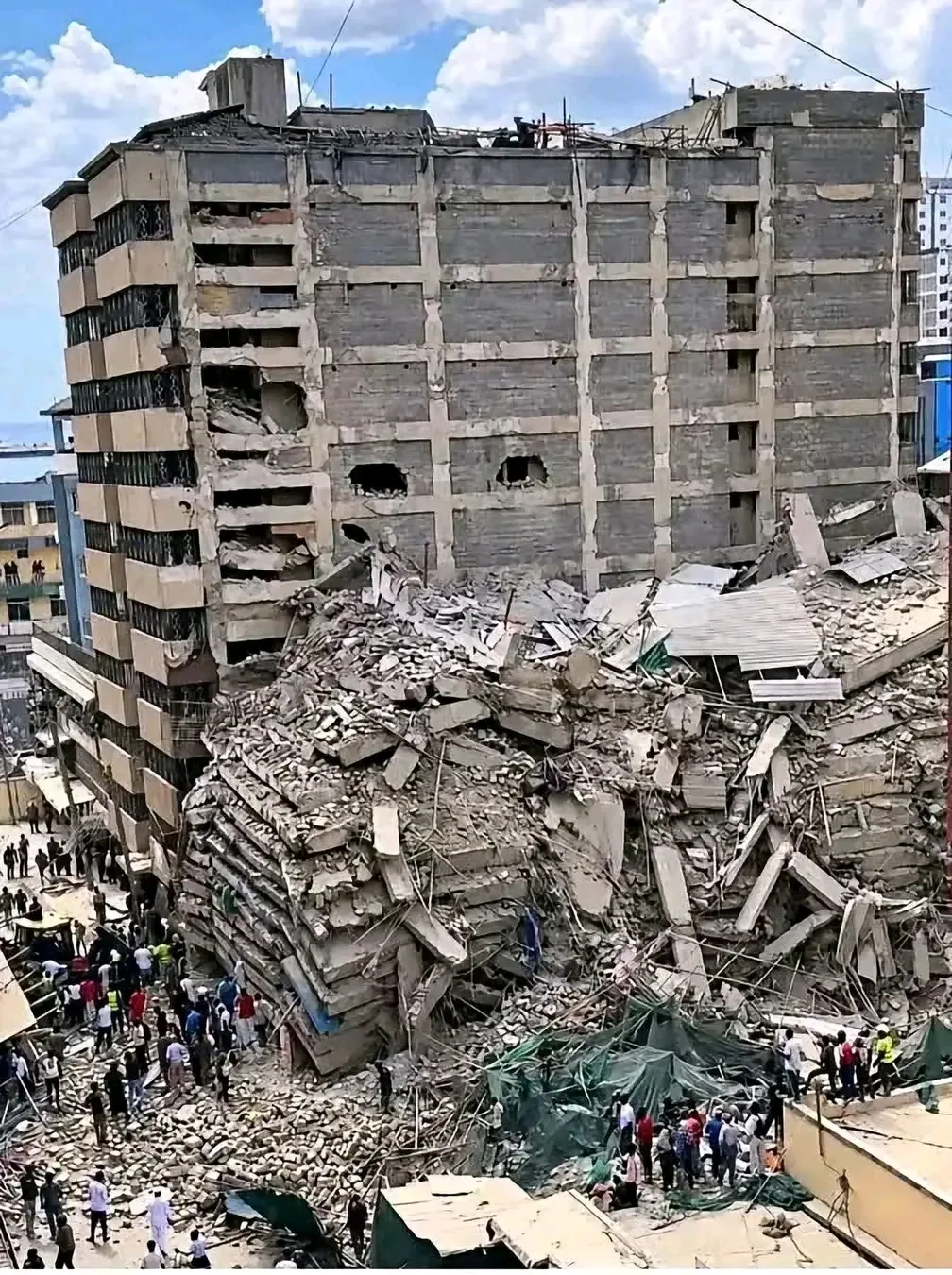
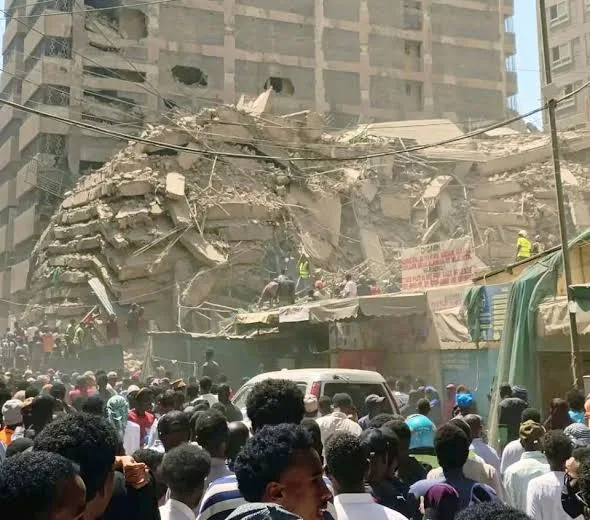
His account comes as rescue teams continue to assess the aftermath of the collapse, which occurred in the busy Eastleigh commercial area of Nairobi. The cause of the collapse had not been established in initial reports, and the number of people trapped beneath the rubble remained uncertain.
Nairobi Governor Johnson Sakaja said the building had received county construction approval but lacked an occupation certificate. The circumstances surrounding its approval, construction and use are expected to be central to questions about regulatory enforcement.
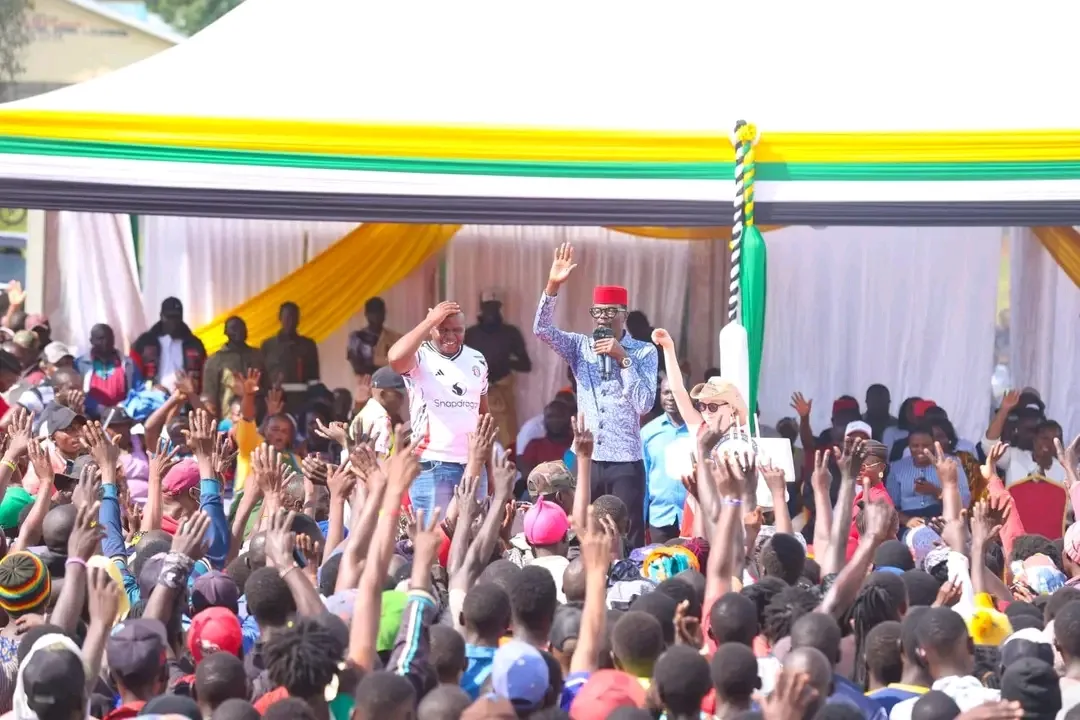
Mosiria recounts alleged warnings over construction sites
Mosiria said his concerns about construction safety began when he intervened in a separate development in South C, an incident he claims brought pressure from senior government officials.
“It all started when I stopped an ongoing development in South C,” he said.
“The entire government was mobilised to send me a warning, including the suspension of two environment officers. My former boss then told me that I was next,” Mosiria added.
He said the South C building subsequently collapsed, an incident he believes illustrates the dangers of failing to address concerns raised by officers responsible for enforcing regulations.
However, the circumstances of the South C incident and any connection between his intervention and the eventual collapse require independent verification.
Mosiria said he also faced pressure after intervening in the Eastleigh development, claiming that his former boss instructed him to stay away from the site.
“At the time, my former boss told me to stay away from the site,” he said.
“I believe these incidents raise serious questions about the enforcement of construction regulations and the pressure placed on officers who try to do their jobs,” he added.
His allegations raise questions about whether enforcement officers can independently stop work when they suspect construction activities may violate applicable regulations.
Mosiria links alleged corruption to building safety
Beyond the circumstances of the collapse, Mosiria accused the construction approval system in Nairobi of exposing developers to excessive financial demands and alleged bribery.
He argued that developers should not automatically be blamed for unsafe construction without examining the conduct of officials responsible for approvals and inspections.
“Developers in Nairobi are not the problem,” Mosiria said.
He claimed that the financial demands associated with obtaining approvals could place pressure on developers and encourage cost-cutting.
“When someone is asked to pay between KSh56 million and KSh100 million, in addition to a bribe, to obtain approval, it creates pressure to cut costs,” he said.
“In some cases, developers may be tempted to use substandard materials. Corruption and excessive charges can therefore put lives at risk,” Mosiria added.
The financial figures and allegations of bribery cited by Mosiria have not been independently established. They would require supporting evidence, including documentation and responses from the relevant authorities.
The allegations nevertheless place renewed focus on the relationship between construction approvals, site inspections and accountability when buildings fail.
Establishing whether substandard materials, structural design, unauthorised construction or other factors contributed to the Eastleigh collapse will require a technical investigation.
Mosiria calls for inspection of all Nairobi buildings
Mosiria urged authorities to conduct urgent inspections of buildings across Nairobi, including those already occupied, warning that action should not be delayed until further disasters occur.
“All buildings in Nairobi, including those already occupied, should be inspected by qualified engineers,” he said.
“These inspections must be carried out urgently to protect lives,” he added.
Mosiria warned that the recent incidents had undermined public confidence in building safety and called for a more decisive approach to enforcing construction regulations.
“Following the recent incidents, Nairobi is not safe, and we cannot wait for more buildings to collapse before taking action,” he said.
His proposal would require authorities to assess buildings for compliance with approved plans, structural safety requirements and relevant construction regulations.
Such assessments would also need to establish whether buildings have the required approvals and whether any unauthorised alterations or additional floors have been introduced.
Mosiria said his experiences had changed his view of where responsibility for unsafe construction lies.
“I once thought developers were the problem, but I have come to realise that the bigger problem may lie within the county government itself,” he said.
His remarks amount to an accusation against the county's regulatory system, rather than an established finding about the cause of the Eastleigh collapse.
Mosiria appeals to Ruto over alleged corruption
Mosiria called on President William Ruto to intervene in what he described as corruption and harassment affecting Nairobi developers.
“I appeal to the President to intervene and protect Nairobi’s developers from corruption and harassment,” he said.
He also outlined his proposed approach to construction regulation should he become Nairobi governor, pledging to eliminate bribery while maintaining strict enforcement against developers who violate the law.
“I promise that, under my leadership as Governor, no developer will be asked to pay a bribe to obtain approval,” Mosiria said.
“However, anyone who violates construction laws will face strict enforcement, including suspension of the works,” he added.
The pledge places construction safety and the integrity of approval processes among the issues Mosiria says he would prioritise in his bid for Nairobi's top county office.
He maintained that developers should be able to obtain legitimate approvals without paying bribes, while projects that breach construction requirements should face enforcement action.
Mosiria proposes body cameras for inspection officers
Mosiria further proposed that all inspection and enforcement officers wear body cameras when visiting construction sites.
He said the measure would improve transparency, protect officers and developers, and provide a record of interactions during inspections.
“All inspection and enforcement officers must wear body cameras during site visits to ensure transparency and prevent harassment,” he said.
Mosiria added that his proposed administration would seek to protect both county employees and developers while ensuring compliance with the law.
“I will protect both my staff and developers while ensuring that the law is respected,” he said.
The proposal comes amid renewed scrutiny of Nairobi's construction oversight following the Eastleigh collapse and questions over whether existing inspection and enforcement mechanisms are sufficient to prevent unsafe developments.
Investigations needed to establish cause of collapse
Mosiria's claims have added another dimension to the debate over construction safety in Nairobi, shifting attention from the immediate rescue operation to the decisions and oversight that precede building disasters.
However, his account does not by itself establish why the Eastleigh building collapsed or whether any official ignored a safety warning.
Investigators will need to establish the building's approved design, the work carried out at the site, the inspections conducted and whether construction complied with the applicable requirements.
The allegations of interference and corruption also require independent investigation and a response from the relevant authorities.
For residents, traders and workers in Eastleigh, the immediate priority remains the safety of anyone affected by the collapse. For Nairobi's authorities, the incident has renewed pressure to demonstrate that construction regulations are enforced consistently and that any wrongdoing is addressed.
The key question now is whether investigations will establish what caused the building to collapse and whether warning signs, if any, were ignored before the disaster

Comments
No approved comments yet.