

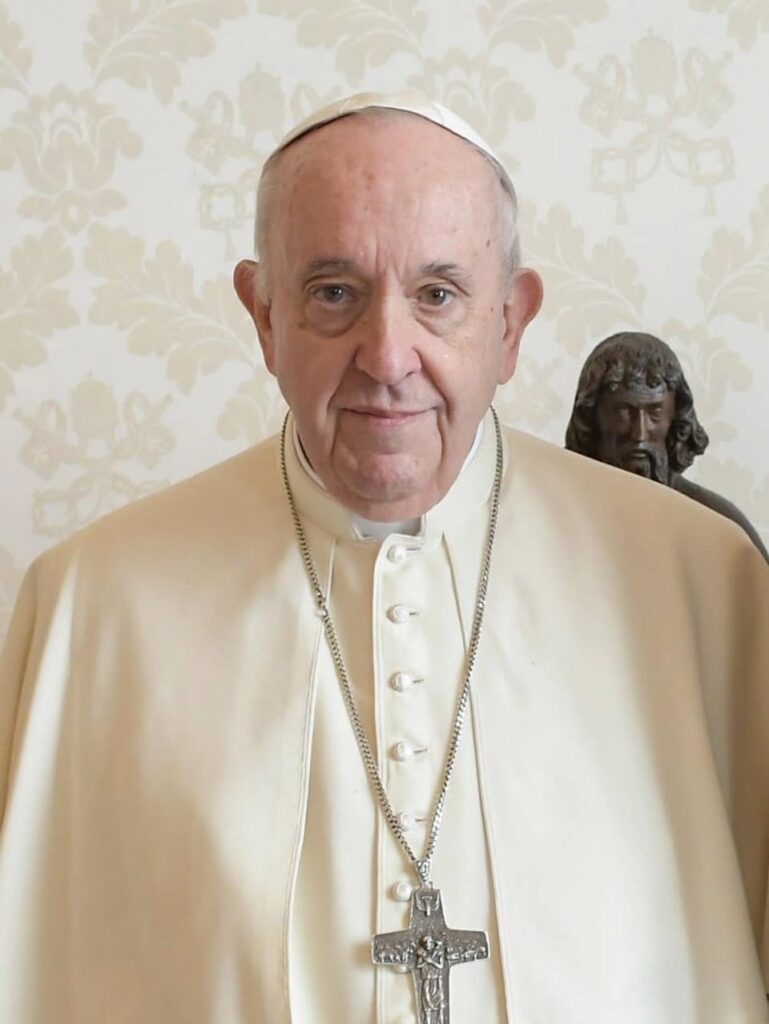
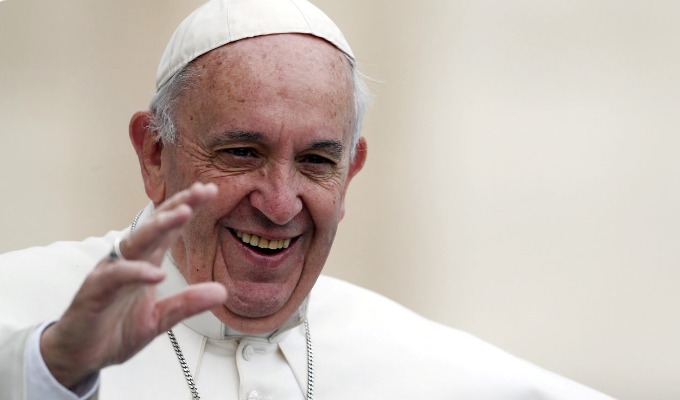
Vatican City, April 21, 2025 — Pope Francis, the 266th leader of the Roman Catholic Church and the first pontiff from Latin America, has died at the age of 88, the Vatican confirmed in a video statement on Monday. His death ends a groundbreaking and often turbulent papacy that sought to bridge tradition with the modern world
Born Jorge Mario Bergoglio in Buenos Aires, Argentina, on December 17, 1936, he rose from modest beginnings to become a transformative figure at the helm of one of the world’s most powerful religious institutions. Elected in March 2013 following the unprecedented resignation of Pope Benedict XVI, Francis quickly distinguished himself with a radically different tone — one marked by humility, social advocacy, and a drive for change.
A Pontiff of the People
Francis’s decision to forgo the grand papal apartments in favor of a modest Vatican guesthouse symbolized his approach: personal, pastoral, and grounded. He consistently championed the poor, the marginalized, and those on the peripheries — spiritual and societal.
His first papal trip was to the Italian island of Lampedusa, where he decried the “globalization of indifference” toward migrants. Over the years, he became a leading moral voice on issues such as climate change, economic inequality, and international conflict, urging world leaders to embrace compassion over division.
Bold Reformer, Divisive Decisions
Pope Francis’s legacy will be defined not only by his outreach but also by his efforts to reshape the Church itself — moves that ignited both support and backlash.
He adopted a more inclusive tone toward the LGBTQ+ community, famously asking, “Who am I to judge?” He supported civil unions for same-sex couples and called for the global decriminalization of homosexuality — positions that stunned traditionalists but resonated with progressives.
He cracked down on the use of the traditional Latin Mass, a decision that angered conservative Catholics who viewed it as an attack on Church heritage. He also pushed to decentralize authority, empowering local bishops and emphasizing synodality — the idea that Church governance should involve broader consultation and listening.
Francis also took unprecedented steps to address clerical sexual abuse, lifting the veil of secrecy on abuse cases and implementing new policies to hold perpetrators and those who protected them accountable.
A Papacy Marked by Perseverance
Throughout his life, Francis faced significant health challenges. He lost part of a lung in his youth due to infection. In later years, he struggled with sciatica and knee problems, eventually using a wheelchair for mobility. In 2021, he underwent colon surgery. Earlier this year, he was hospitalized with bronchitis that escalated into bilateral pneumonia, complicated further by early signs of kidney failure.
Despite his ailments, he remained remarkably active in his duties. He made a surprise appearance at Easter Mass just days ago, delivering a brief message from a wheelchair to the faithful gathered in St. Peter’s Square.
A Legacy That Will Endure
Francis’s papacy redefined what it means to lead the Catholic Church in the 21st century. He challenged long-held norms, sparked global debates, and opened the doors of the Church wider than ever before. Loved and criticized in equal measure, he was a pope who made it impossible to remain indifferent.
As the Church mourns his passing, preparations are now underway for the conclave that will elect his successor. The world waits to see whether his vision will endure or give way to a new chapter in Catholic history.


Comments
No approved comments yet.