

In the latest episode of CNN’s Connecting Africa, Eleni Giokos and Victoria Rubadiri examine how African companies are strengthening the continent’s manufacturing capabilities by localising production, adopting new technologies, and expanding into regional markets.
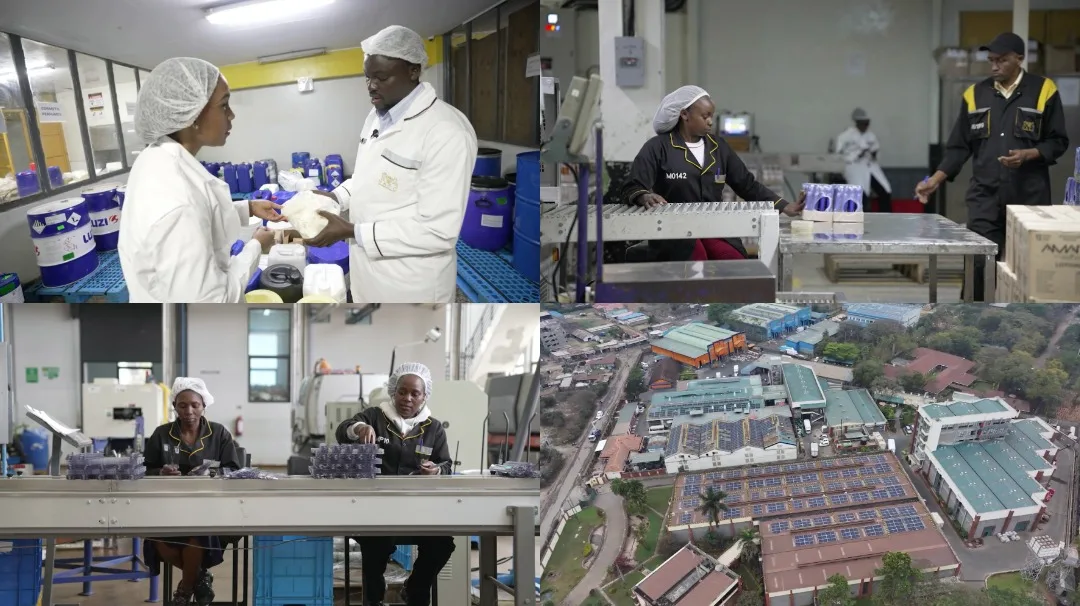
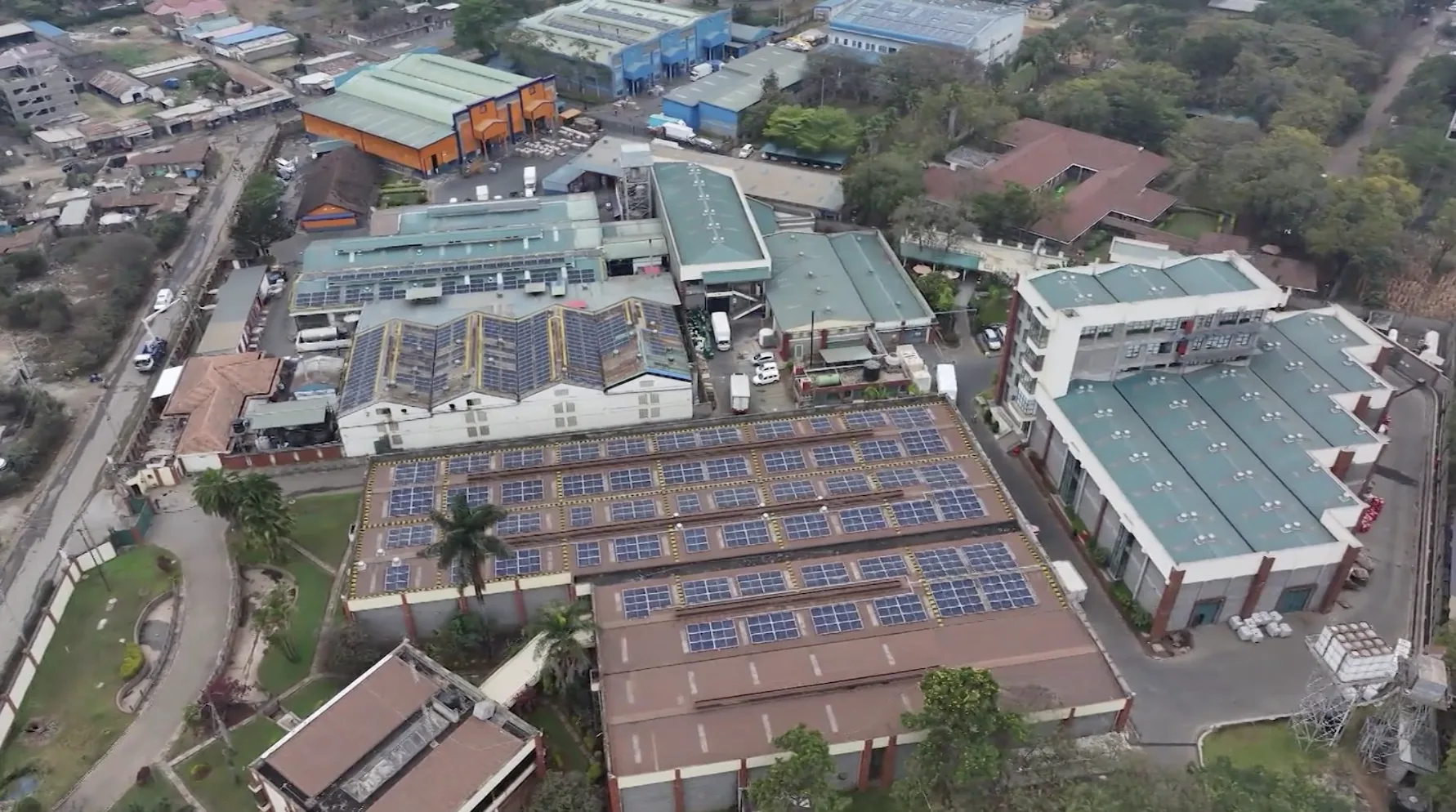
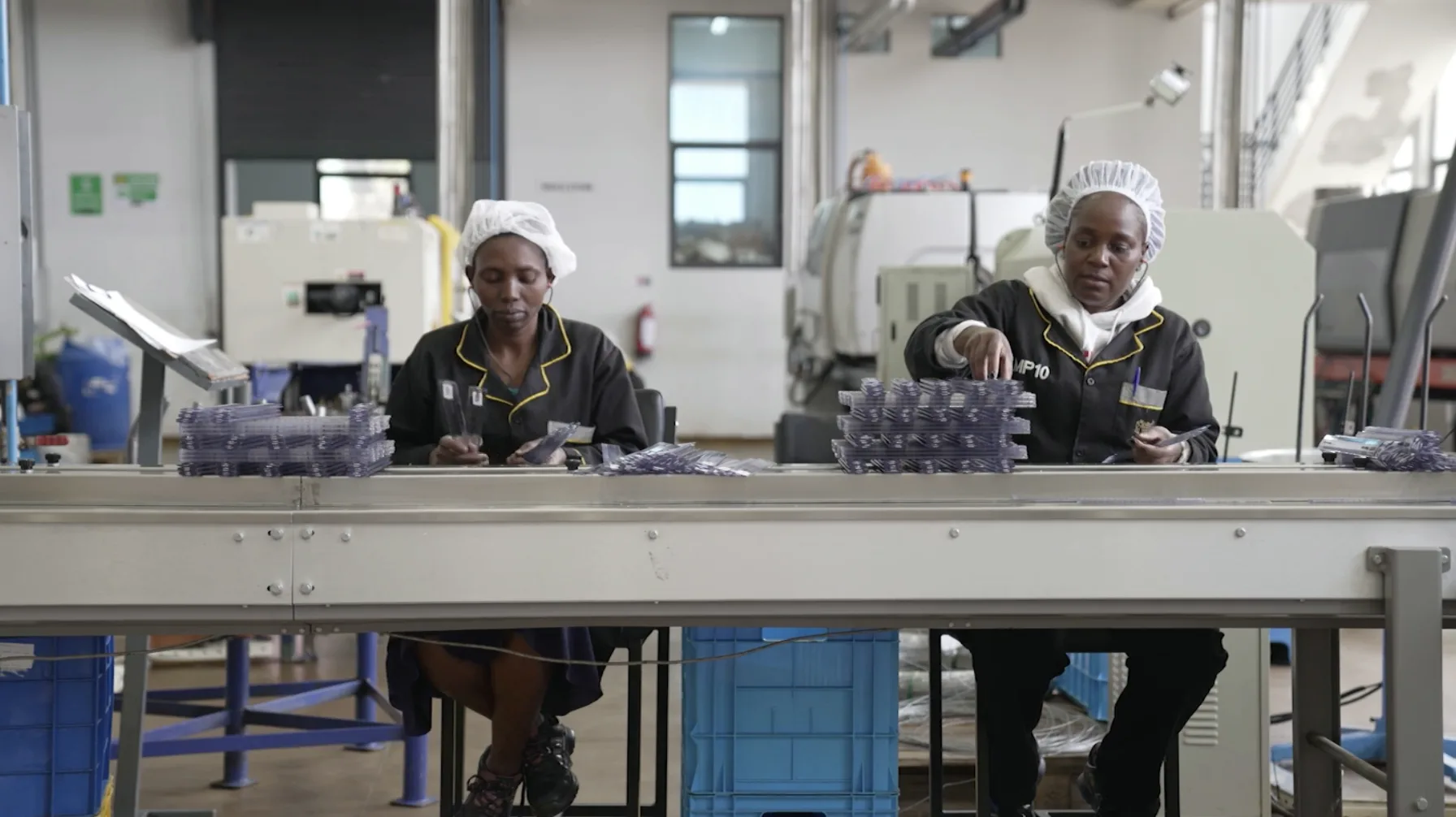
In Kenya, Rubadiri visits HACO Industries, a manufacturer of personal care and household products whose brands reach more than three million families across Africa.
The company manufactures 90 different products and sources raw materials through partnerships with more than 500 farmers across the continent.
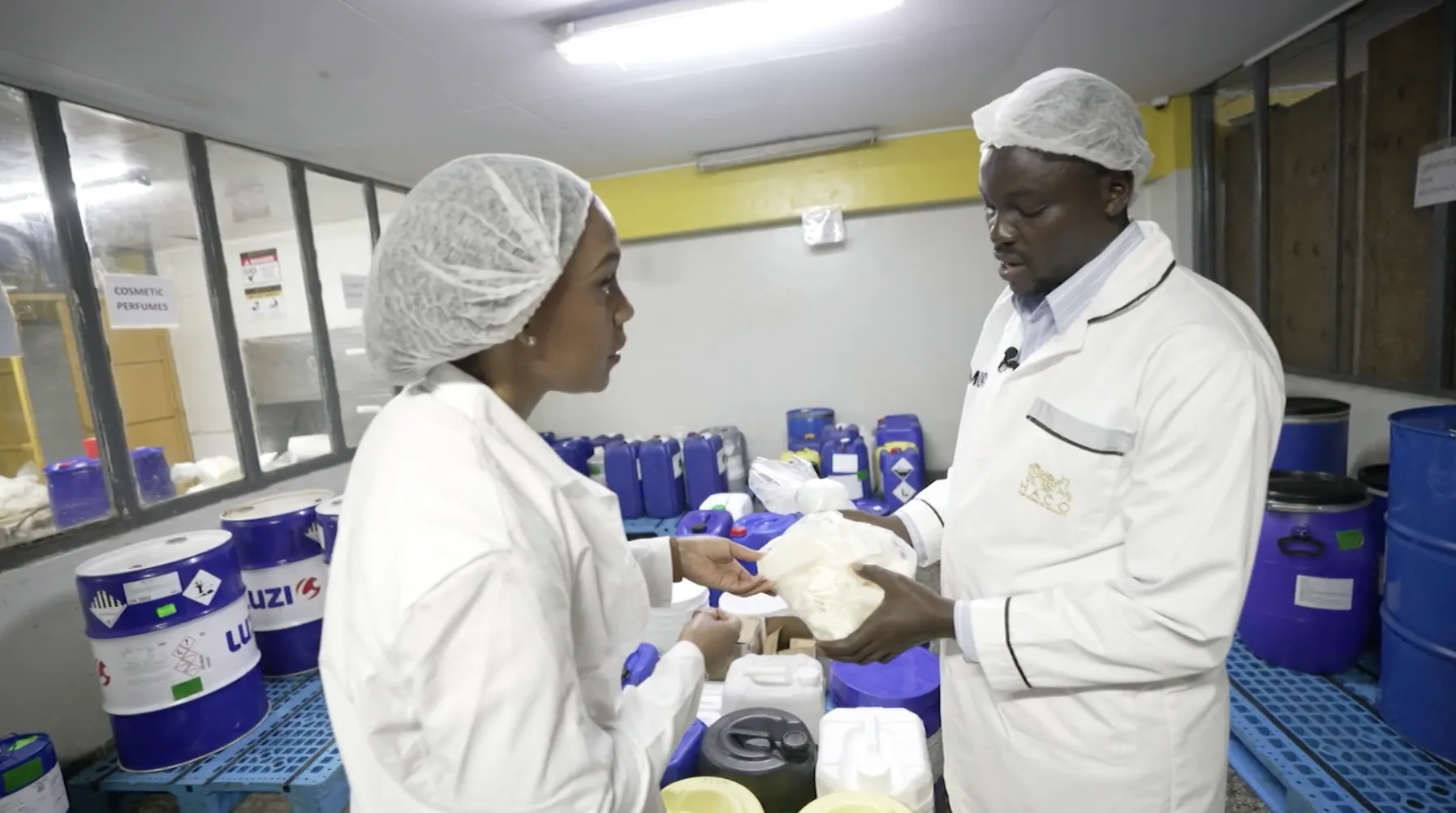
Speaking to Rubadiri, Mary-Ann Musangi, Managing Director at HACO Industries, explains why understanding African consumers is central to the company’s approach,
“How do we reach the African continent, the African consumers, with products that they do want, that they do need, manufactured by a company that understands them, understands the African skin, the African hair, the African needs? And the African needs are very specific.”
Founded in Kenya more than 50 years ago, HACO currently exports to eight African countries.
However, Musangi says logistical challenges continue to affect the company’s ability to expand across the continent,
“Our biggest market is Kenya, where we have obviously our roots and tentacles because this is our home base and we have been operating here for the 50-plus years.”
She continues,
“But we’re also very strong in Uganda and Rwanda and the eastern side of the Congo. We are in Zambia, started business in Zambia about three years ago. That’s going well, but the distances can be a challenge, and Africa logistics is one of the key challenges in terms of penetrating across the continent.”
As part of its goal to operate in 30 African countries by 2030, HACO plans to establish five manufacturing hubs across the continent.
Ghana will serve as its West African base, enabling the company to manufacture closer to consumers and take advantage of regional trade agreements.
Musangi says,
“Africa is so fragmented in many ways. The countries, the boundaries, our taxation laws, our policies, our culture, our language, our money, currency. We’ve got to see how we reduce these points of fragmentation. The only way that I see we can do it is through these partnerships, working with local people.”
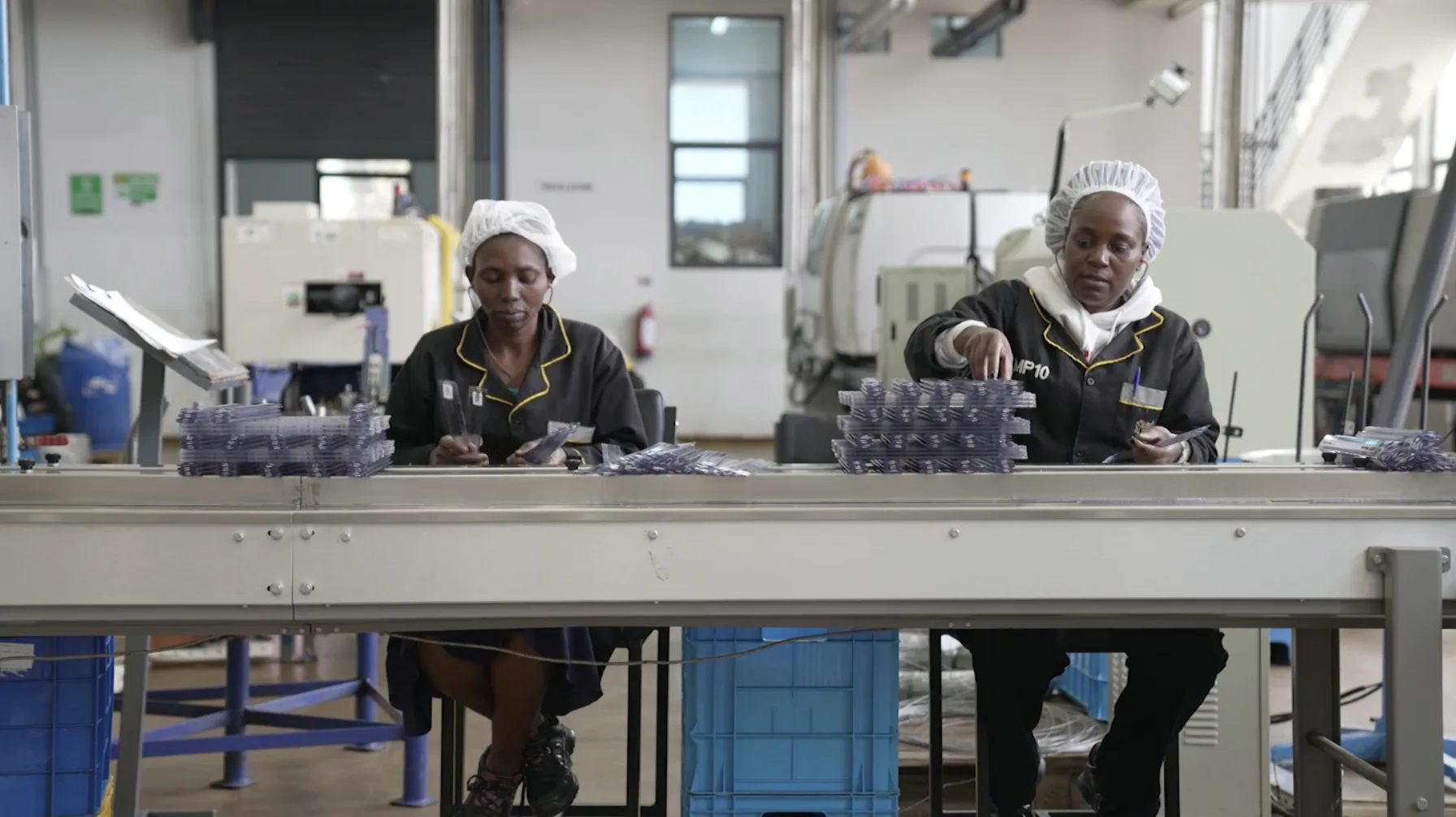
The episode then travels to Lagos, Nigeria, where industrial technology company Arridex is using 3D printing to manufacture specialised components for sectors including maritime, mining, oil and gas, and consumer goods.
Its recently opened Omnifactory produces customised parts such as valves, seals and bolts, allowing businesses to obtain replacements locally rather than waiting for components to arrive from overseas.
Speaking to CNN, Kayode Adeleke, Group CEO of Arridex, compares the potential impact of industrial 3D manufacturing with the transformation brought about by mobile technology.
He says,
“We’re using industrial 3D manufacturing to leapfrog the manufacturing space. We don’t have to repeat the 20th century. What we are doing using industrial 3D manufacturing for the manufacturing sector is what the mobile phone did for the telecoms industry.”
Arridex says manufacturing parts locally can reduce costs, limit unscheduled downtime and significantly shorten procurement times.
Adeleke tells CNN,
“We’ve had parts that we’ve produced where the original procurement time would have taken nine months, and we delivered it in five weeks. We’ve also had parts that would have taken 15 weeks, and we delivered it in 14 days.”
The company is now seeking to make Nigeria a production hub for West and Central Africa.
Over the next five years, the company aims to establish 25 manufacturing nodes across 15 countries.
Adeleke says the model could allow businesses to store components digitally and produce them only when required, rather than committing capital to large physical inventories.
He concludes:
“When you have the choice to manufacture what is critical to your operations, to your needs within your region, that becomes true industrial sovereignty.”
The programme also visits Benin, Côte d'Ivoire, and Cameroon, examining how businesses are creating more value from African made products and reducing dependence on imported goods, keeping more of Africa's value chain on the continent.
Connecting Africa airs on CNN International at the following times:
Saturday 3rd October 2026 at 08:30 WAT
Sunday 4th October 2026 at 04:00 WAT and 10:30 WAT
Monday 5th October 2026 at 21:45 WAT
Tuesday 6th October 2026 at 21:45 WAT
Saturday 10th October 2026 at 08:30 WAT
Sunday 11th October 2026 at 02:00 WAT and 18:30 WAT
Monday 12th October 2026 at 04:00 WAT


Comments
No approved comments yet.